

Finding Reliable Equipment Hire for Your Construction Projects
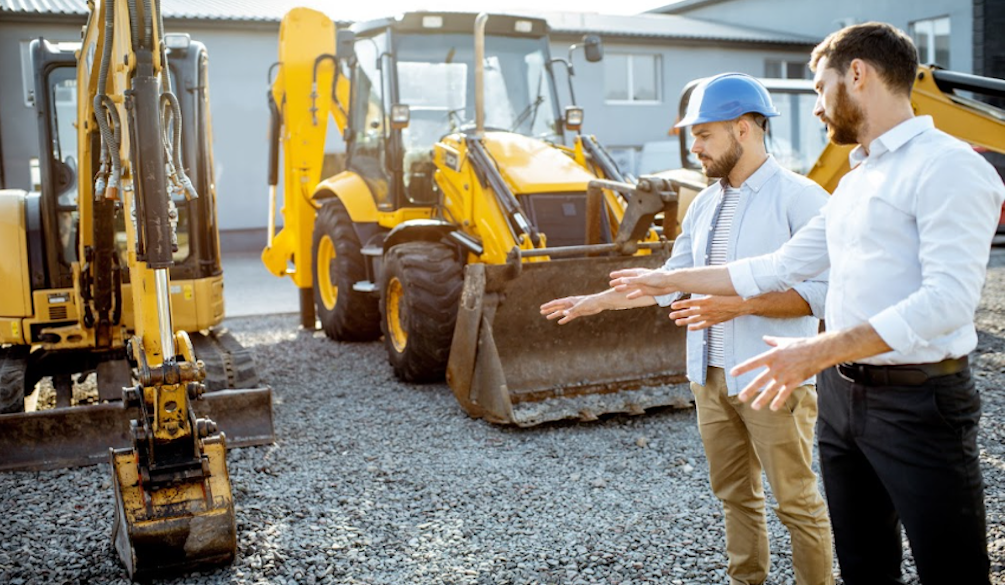
Construction projects are a heavy reliance on getting the right equipment to the right place, at the right time. Whether you're breaking ground, moving earth, paving roads, or just building, heavy machinery like excavators, loaders, and compactors is pretty much the key to keeping everything moving along smoothly. When equipment is nowhere to be found or just doesn't perform when you need it, project timelines get all messed up and costs skyrocket - and pretty fast.
Finding a reliable equipment hire service is a big part of making sure your project planning goes off without a hitch. Contractors who take a methodical approach to finding the right equipment are way less likely to run into delays and have a smoother ride throughout the entire project lifecycle. Many are using online tools like Quotor equipment hire directory to check out what's out there and who to hire before they even commit.
Working Out Exactly What You Need
One of the most common reasons equipment hire doesn't work out is because the planning just wasn't done right. Contractors should take some time to figure out exactly what equipment they need, before they start calling around to suppliers, to avoid all sorts of unnecessary delays and getting stuck with equipment that just won't do the job.
That means thinking about the size and type of machine you'll need, how long you'll need it for, the conditions you'll be working in and how much access you'll have to the site. For example, if you're working in a tight space, you're going to need compact equipment that's capable of fitting into tight spots. And if you're doing a lot of earth moving, you're going to need something with some serious grunt.
Doing your homework makes it way easier to match the equipment to the job, and reduces the chances of having to swap out equipment halfway through the project.
Checking Your Supplier
Reliability is way more important than price when you're choosing an equipment hire supplier. It only takes a little delay or breakdown to start causing problems at multiple stages of the project.
Good suppliers usually keep their gear in top condition and have a system in place to get the equipment to you on time. And working with suppliers that have a lot of experience in construction equipment is a good thing too - they're usually more clued in to what you need and the pressures you're under.
Doing some research into your supplier's experience and reputation will help you avoid some of the risks, especially if you're working to a tight deadline.
Shopping Around for the Best Deal
Shopping around for a few different suppliers is one of the best ways to get better deals and make sure you've got the right equipment at the right price. Equipment hire rates can vary depending on where you are, how much demand there is and how long you're hiring it for, so relying on just one supplier might limit your options.
Having a few different suppliers to choose from is especially useful when you're short on time or the demand for equipment is high.
Checking Your Lead Times
Equipment availability is a big factor in getting your project scheduled on time. Even if the supplier is offering a great rate, if they can't deliver the equipment on time, they might not be the best choice for a project that's got a tight deadline.
Before you commit to a hire, make sure you've got a clear idea of when the equipment will arrive, how it will be delivered, and how long it will take to get to you. Planning ahead can help you avoid that last-minute scramble, especially in places where there's a lot of construction going on and the demand for equipment is high.
Having some flexibility in your equipment sourcing can help you stay on top of any changes that come up in the project.
Inspecting the Equipment
Well-maintained equipment is the key to getting the job done on time and on budget. Stuff that's been neglected can break down and leave you stuck, which is just a disaster.
Good suppliers usually keep their gear in top condition, following the manufacturer's maintenance schedule and giving it a once-over before they deliver it to you. Working with a provider that's got a modern fleet is a good thing too - newer equipment is usually more efficient and less likely to break down.
Checking out the supplier's maintenance routine in advance can help avoid all sorts of disruption on site.
Getting the Transport Sorted
Getting the equipment to and from the site is another important consideration. You don't want delivery delays slowing you down at the start of the project or increasing your costs, especially if you're hiring multiple machines.
Suppliers that are local to the site usually offer faster response times and lower transport costs, but relying on just local suppliers might limit your options. Using an equipment hire platform can help you access suppliers across different regions, which can be a real game-changer if local availability is a problem.
Understanding the Fine Print
Clear hire agreements help avoid misunderstandings and unexpected costs. Contractors should read the fine print and make sure they understand their responsibilities before the equipment even arrives on site.
Things like hire rates, minimum hire periods, insurance requirements and damage responsibilities should all be clear as day before you start. Having clear agreements in place helps keep things running smoothly and reduces the risk of disputes.
Building Long-Term Relationships
Building a relationship with a reliable supplier is the key to making equipment hire part of your project planning process. Contractors who work with the same suppliers regularly often get faster service and better equipment availability.
At the same time, having a few different suppliers to choose from provides some extra security if your primary supplier is unable to deliver. A balanced approach is the way to go.
Reliable equipment hire is a key part of delivering projects on time and on budget. Planning ahead, checking your supplier and being flexible with your sourcing are all key to making it work. As construction activity keeps on growing, getting your equipment hire right is just going to get more and more important.


 Daily Bulletin


