

Bugs Or Us Pest Control Marks 20 Years of Family-Owned Termite Protection in Taree
- Written by: Daily Bulletin
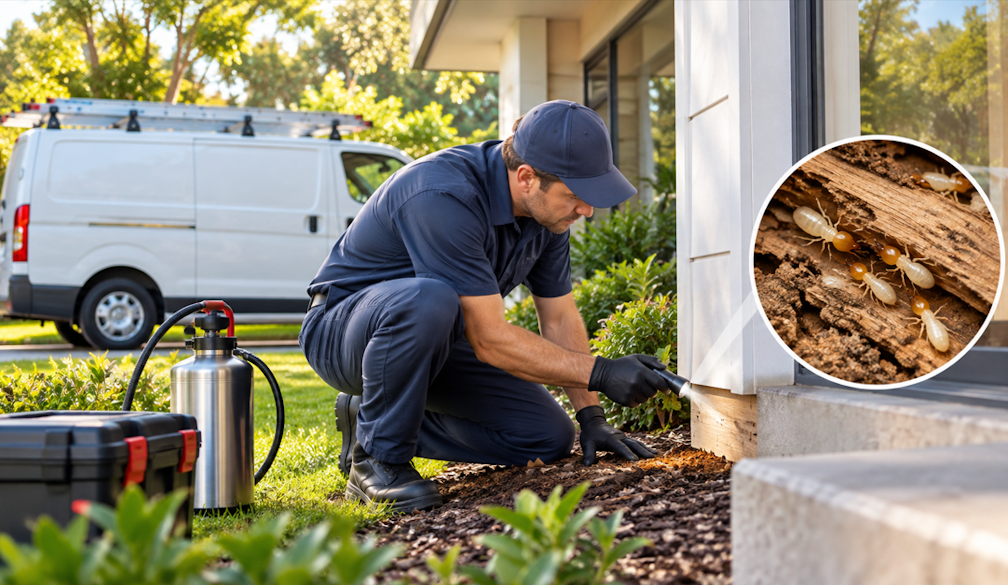
TAREE, NSW: Bugs Or Us Pest Control is entering its 20th year providing family-owned services, helping residents and businesses across the Mid North Coast region tackle termite threats and other pests. Thanks to its dedication to a personalised approach and practical solutions for every customer’s needs, the company has gained extensive knowledge of the potential problems properties in this area face. For more than 20 years, it has maintained its dedication to detecting pests early, solving any present issues, and advising property owners on precautionary measures that can be taken to avoid similar problems in the future. It is a testament to the many years the company has been operating in the area.
Early Detection Can Help Protect Properties
Termites could stay hidden for long periods of time. This enables them to cause damage before there are any clear symptoms that would make people realise there is a problem. Professional termite inspection Taree service from Bugs Or Us Pest Control aids homeowners in discovering their vulnerability to these pests. Plus, they help them understand the right treatment to deal with the issue.
The following are some of the key signs that could require professional intervention:
- Mud tubes or shelter tubes: These tubes can be observed on foundations, walls, and other structures where the termites travel from the soil to wood.
- Damaged or hollow-sounding timber: Sometimes, the internal parts of the wood are weakened while the external part is still intact.
- Discarded wings: Termite wings can be found near windows, doors, and other places. It indicates the presence of reproductive termites.
- Sticking doors or windows: Damage to wood due to the presence of termites or moisture levels may affect the functioning of doors and windows.
- Regular property assessments: Conducting regular inspections will help spot problems while they are still in the early stages.
“We’re very proud that we’ve been in business as a family business for 20 years, but our mission has not changed, and that is to provide customers with personal service and guaranteed pest and termite elimination solutions,” said a representative from Bugs Or Us Pest Control. “Termite issues may become apparent behind the scenes, which is the reason for our regular inspections and prompt action that may make a huge difference. We spend some time familiarising ourselves with each building and discussing what we have found with the client, and the solutions that could be implemented. No matter if it is termites, pests of any kind, or prevention, we will strive to keep things simple and professional.”
Comprehensive Pest Management for Local Homes and Businesses
Aside from termite control, Bugs Or Us Pest Control offers assistance and solutions for various common pest issues that may affect either residential or commercial properties. These pests can include ants, cockroaches, and spiders, up to termites and other pests that are not wanted. It helps its clients understand what the problem is and what action needs to be taken to address it. The company’s local services include the Taree and Forster areas, among others.
Some of the pest control services offered by the company include the following:
- General pest concerns: Dealing with any pest-related issues that could be causing discomfort and unhygienic situations at home or commercial premises.
- Termite management: Services related to checking the presence of termites and how to deal with them.
- Preventive measures: Ensuring the clients understand the conditions that attract pests and ways to minimise potential risks.
- Targeted assessments: Based on the structure of the property, its surrounding environment, and any indicators of pest activity in making decisions on how to proceed.
- Specialist termite detection: Depending on the situation, some approaches, which could include a termite sniffer dog, could help in finding termite activity which may not be easily detected using a regular visual inspection.
Customers looking for Taree pest control may benefit from expert pest management services that are based not only on eradicating but also on preventing pests, while those in the other neighborhoods have access to pest management services that are tailored to their specific property needs. Through its local experience and customer service orientation, Bugs Or Us Pest Control continues to assist property owners with their pest problems.
About Bugs Or Us Pest Control
Bugs Or Us Pest Control is a family business that provides pest control services in the form of pest elimination and prevention in both homes and businesses. Bugs Or Us Pest Control takes pride in offering the best possible customer service and attention when dealing with the elimination and prevention of pest or termite infestation problems. Bugs Or Us Pest Control has been a family-owned business for 20 years and continues to provide good customer service to its local customers.

 Daily Bulletin


