

Dr. Terence Tan, Medical Director of Halley Body Slimming Clinic, Shares Insights on the Evolving Role of Doctors in Medical Weight Management and GLP-1 RAs at Symposium
- Published in News from Asia
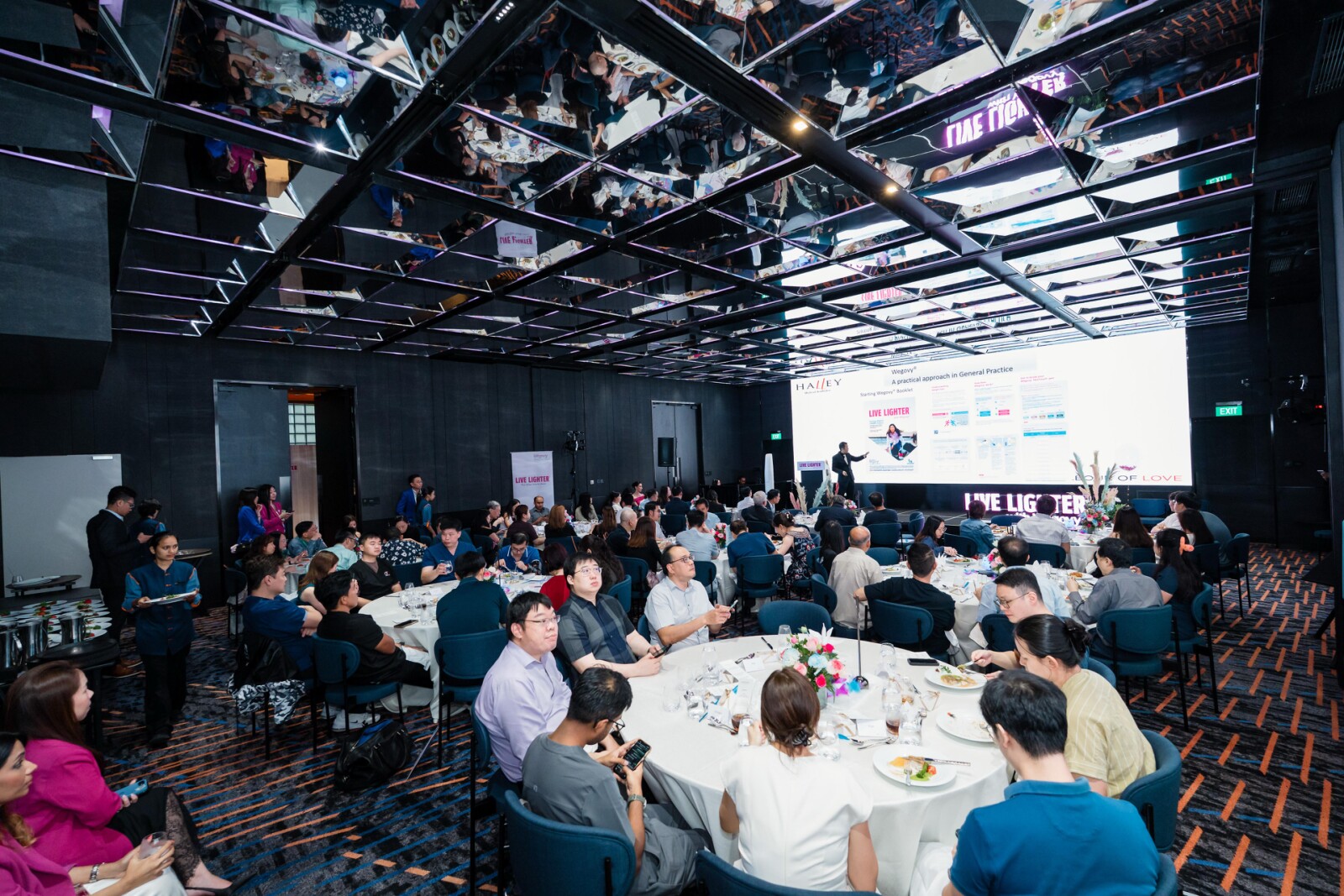
SINGAPORE - Media OutReach Newswire - 7 May 2026 - Dr. Terence Tan, Medical Director of Halley Medical Aesthetics and Halley Body Slimming Clinic, shared his clinical insights on integrating Glucagon-Like Peptide-1 Receptor Agonists (GLP-1 RAs) into everyday practice at the symposium “Optimising Longevity and Weight Management with GLP-1 RAs”.
The event brought together approximately 80 general practitioners (GPs) and aesthetic doctors for a focused discussion on the evolving role of medical weight management in Singapore.
The Growing Role of GLP-1 Therapies in Clinical Practice
This continuing medical education (CME) session addressed a clear shift in clinical practice, where more patients are actively seeking medical support for weight loss and management. They are increasingly arriving informed, often asking specifically about newer medications and expecting clear guidance on suitability and outcomes.
GLP-1 RAs, including semaglutide and tirzepatide, have contributed to this change. These medications work by influencing appetite and satiety, helping to reduce overall caloric intake. Semaglutide acts on GLP-1 receptors to regulate hunger, while tirzepatide targets both GLP-1 and GIP pathways, offering an additional mechanism that supports weight reduction and metabolic control.
As a result, consultations are becoming more complex. Patients may have expectations shaped by online information or anecdotal experiences, making it important for doctors to guide discussions based on clinical suitability rather than demand alone.
“This shift calls for a more structured and informed approach,” said Dr. Tan. “Doctors must take a more active role in assessing patients, setting expectations, and ensuring that treatment is used appropriately as part of a broader weight management strategy.”
Looking Beyond BMI When Determining Treatment Suitability
Dr. Tan emphasised that successful use of GLP-1 RAs begins with careful patient selection. Clinical guidelines typically recommend treatment for individuals with a body mass index (BMI) of 30 kg/m² or higher, or 27 kg/m² with at least one weight-related condition such as hypertension or dyslipidaemia.
However, beyond these criteria, real-world decision-making often requires a more nuanced approach. Doctors should work to assess each patient’s broader context, including their occupation, psychological readiness, and ability to commit to follow-up. For example, many patients in GP settings are working adults who are motivated to lose weight but may struggle with consistency. For this group, medical support can offer a more practical pathway than lifestyle changes or advice.
A Structured Approach to GLP-1 Therapy in General Practice
A key theme of Dr. Tan’s presentation was that GLP-1 therapy should not be treated as a one-off prescription, but as part of a structured care process. He outlined the importance of setting clear goals from the outset, guiding patients towards gradual and realistic weight loss. Early targets may involve a reduction of 1.5 to 2 kilograms per month, followed by a slower and more sustainable pace.
Weight loss injections are introduced gradually, with doctors adjusting the dose over time while monitoring patients' responses. During this period, patients may experience side effects such as nausea or fatigue, particularly in the early stages, which are reviewed during follow-up visits. Clinics should also schedule monthly reviews at the start, before spacing them out based on progress.
Within the clinic, staff play an active role in supporting treatment. Beyond administrative duties, they guide patients through injection techniques, provide counselling, and reinforce key instructions throughout the process. They should also share educational materials and structured programmes to help patients stay more consistent and engaged with treatment.
Together, these elements form a coordinated care pathway in which doctors actively guide patients through each stage of treatment rather than relying solely on medication.
Reinforcing Lifestyle and Behavioural Change Alongside Treatment
While GLP-1 RAs support weight loss, Dr. Tan emphasised that they do not replace lifestyle change. Dietary adjustments, including reduced-calorie approaches and structured eating patterns such as time-restricted eating, remain important. Physical activity also plays a key role, increasing energy expenditure and maintaining a caloric deficit, thereby supporting sustained weight loss over time.
He also highlighted the importance of behavioural factors. Encouraging patient commitment and involving family or social support systems can strengthen adherence and improve long-term outcomes. Weight management, he noted, requires attention to both biological and behavioural factors.
Maintaining Long-Term Weight Loss Outcomes
Weight management does not end once initial targets are achieved. Dr. Tan noted that maintaining weight loss can be challenging, particularly for patients who have experienced significant reductions. While motivation plays a role, physiological factors such as appetite regulation can make long-term maintenance difficult.
Patients who adopt consistent lifestyle changes, including regular physical activity and more mindful food choices, may sustain their results over time. For others, ongoing or adjusted treatment may be considered. Options can include continuing medication, reducing the dosage, or using treatment periodically, depending on individual needs and preferences.
At the same time, doctors should inform their patients about the possibility of a weight-loss plateau, a common and expected phase of treatment. Even in such cases, continued management may still provide meaningful health benefits.
Addressing Real-World Challenges in Clinical Implementation
Dr. Tan also addressed practical challenges in adopting GLP-1 RAs. Cost remains a key consideration, particularly in the absence of broader subsidies. However, as other types of weight-loss medication become more widely available and competition grows, GLP-1 therapies may gradually become more affordable.
Patient awareness is another factor. Some individuals may not be familiar with these treatments, while others may have concerns about side effects. Dr. Tan emphasised that these concerns are best addressed through doctor-led consultations, where treatment decisions are guided by an individual assessment of benefits and risks.
Weight management is also influenced by underlying biological factors. Differences in appetite regulation and satiety can affect how individuals respond to food intake, which partly explains why maintaining weight loss can be challenging. According to Dr. Tan, some patients are able to sustain results through increased physical activity and more mindful eating, while others may find it difficult to maintain their weight after stopping medication.
A Shift Towards More Comprehensive, Long-Term Weight Management
As GLP-1 therapies become more widely used in Singapore, weight management is increasingly being approached as an ongoing clinical discipline rather than a short-term intervention. This shift places greater emphasis on continuity of care, patient education, and the doctors' role in guiding treatment decisions over time.
“GLP-1 therapies are changing how patients approach weight loss, but medication alone is not the solution,” said Dr. Tan. “As doctors, it is our responsibility to ensure that patients are properly assessed, supported, and followed up throughout their weight management journey.”
To learn more about Halley Body Slimming Clinic’s approach to weight management, visit their website.
Hashtag: #HalleyBodySlimmingClinic #GLP1RA #Glucagon-LikePeptide-1ReceptorAgonists #weightlossmanagement
The issuer is solely responsible for the content of this announcement.
About Halley Body Slimming Clinic
Halley Body Slimming Clinic is a Singapore-based clinic offering doctor-led treatments focused on weight loss, body contouring, skin firming, and more. The clinic takes a consultative approach, where each patient undergoes a clinical assessment before receiving a personalised treatment plan tailored to their goals and needs. Services include prescription weight-loss medications, along with non-invasive fat-reduction and body-contouring treatments using CoolSculpting Elite and Vanquish to address specific areas. By combining medical interventions with regular follow-up and patient education, the clinic supports individuals through different phases of their weight management journey.


 Daily Bulletin


