

Why Diamonds are A Bad Investment
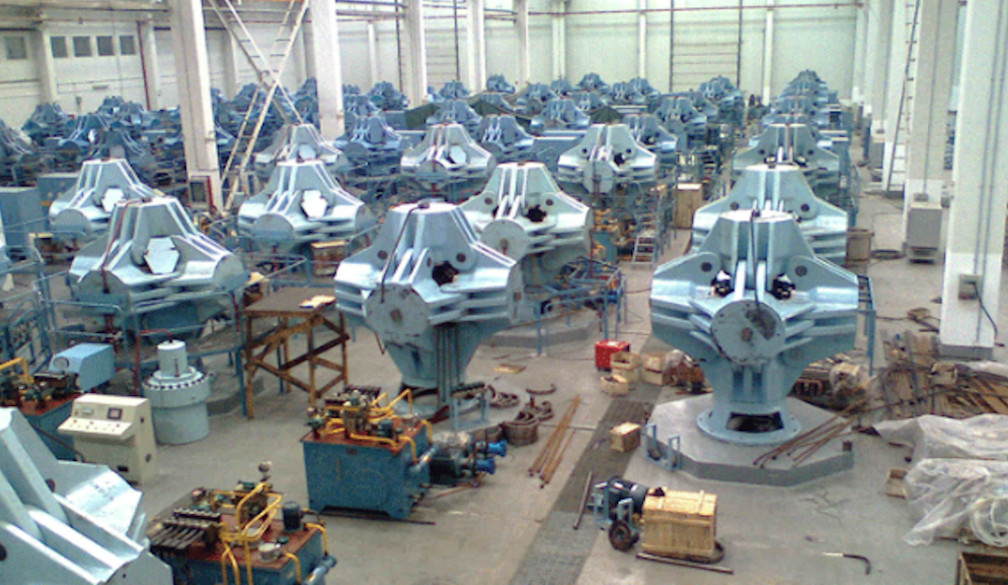
Diamonds have long been associated with wealth, luxury, and eternal love, symbolizing commitment and social status in cultures across the globe. However, despite their glittering allure, diamonds are a poor financial investment. Their high initial cost, depreciation over time, lack of liquidity, and the manipulative practices of the diamond industry have rendered them a less-than-ideal vehicle for wealth preservation or growth. In examining the reasons why diamonds are a bad investment, it becomes clear that they lack the key attributes that make other investments, such as real estate or gold, attractive to investors.
One of the primary reasons diamonds make for a poor investment is their significant depreciation in value the moment they are purchased. When consumers buy diamonds, especially from retail jewellers, they pay a substantial markup. This markup can range from 50% to over 200% above the stone's actual market value, covering the retailer's overhead, marketing costs, and profit margin. As soon as the buyer leaves the store, the diamond's resale value plummets. Unlike commodities like gold or silver, whose prices are determined by a relatively transparent and regulated market, diamonds do not have a standardized resale market. If a person tries to sell a diamond, they will typically receive much less than the purchase price, often only 20-40% of what they initially paid.
Another factor that undermines diamonds as an investment is their lack of liquidity. Liquidity refers to how quickly and easily an asset can be converted into cash without significantly affecting its price. High liquidity is an essential characteristic of a good investment. Stocks, bonds, and precious metals such as gold can be sold relatively quickly and easily at fair market value. In contrast, diamonds are difficult to sell, especially at a price close to what was paid for them. Because diamonds are valued subjectively based on a combination of factors like the "four Cs" (carat, cut, color, and clarity), finding a buyer who is willing to pay a fair price can be challenging. Most individuals who attempt to resell a diamond will have to go through middlemen, such as pawnshops or brokers, who will take a significant cut, further reducing the seller's return.
Moreover, diamonds are not a fungible asset, meaning that they are not interchangeable for the same value. Unlike gold, where one ounce of gold has the same value as any other ounce, each diamond is unique, and its price is influenced by a variety of factors. While the diamond industry uses grading systems to evaluate diamonds, these are not always consistent across different institutions, leading to discrepancies in valuations. This variability in diamond quality and the subjective nature of their value makes them an unreliable investment.
Another critical reason diamonds are a poor investment is that the market is heavily controlled by a few major players, most notably De Beers, which has historically dominated the diamond supply chain. For much of the 20th century, De Beers managed to create an artificial scarcity by controlling both supply and demand, giving the illusion that diamonds were rarer than they actually are. This manipulation led to inflated prices and perpetuated the myth that diamonds are a valuable and scarce resource. In reality, diamonds are not as rare as people believe, and new sources of diamonds are continually being discovered, particularly in Russia and Canada. The discovery of new diamond mines, coupled with the increasing popularity of lab-grown diamonds, has further diluted the market for natural diamonds.
Lab-grown diamonds, in particular, have revolutionized the industry, making natural diamonds even less valuable as an investment. Chemically and physically identical to natural diamonds, lab-grown diamonds can be produced at a fraction of the cost. This has led to increased competition in the market, putting downward pressure on the price of natural diamonds. As consumers become more aware of the environmental and ethical concerns surrounding diamond mining, lab-grown diamonds are becoming more popular. This trend is likely to continue, further eroding the value of natural diamonds over time. Unlike gold, whose value tends to increase in response to inflation and economic uncertainty, diamonds do not have intrinsic value as a store of wealth. Diamonds are essentially a consumer good, subject to the forces of fashion, marketing, and trends.
The diamond market is also highly opaque. There is no centralized exchange for diamonds, like the stock market or commodities markets, where buyers and sellers can trade transparently. Instead, diamond prices are often determined in private negotiations, making it difficult for investors to know the true value of their stones. This lack of transparency leads to wide variations in pricing, even for diamonds of similar size and quality. As a result, investors are at the mercy of diamond dealers and jewellers, who have far more knowledge of the market and can exploit this information imbalance to their advantage.
In addition to all of these factors, diamonds do not generate any income, unlike many traditional investments. Stocks pay dividends, bonds pay interest, and real estate can provide rental income, but diamonds merely sit in a safe or a jewellery box, offering no financial return. Over time, the money tied up in a diamond could have been invested elsewhere, yielding interest, dividends, or capital gains.
In conclusion, while diamonds may carry emotional and symbolic value, they fall short as a financial investment. Their steep depreciation, lack of liquidity, opaque pricing, and vulnerability to market manipulation make them an unreliable store of wealth. With lab-grown diamonds further disrupting the market, natural diamonds are likely to become even less valuable in the future. Investors looking to preserve or grow their wealth would be better served by focusing on assets with greater transparency, liquidity, and intrinsic value, such as stocks, bonds, or precious metals.


 Daily Bulletin


