

How Vets Help Diagnose Heart Health Issues in Pets
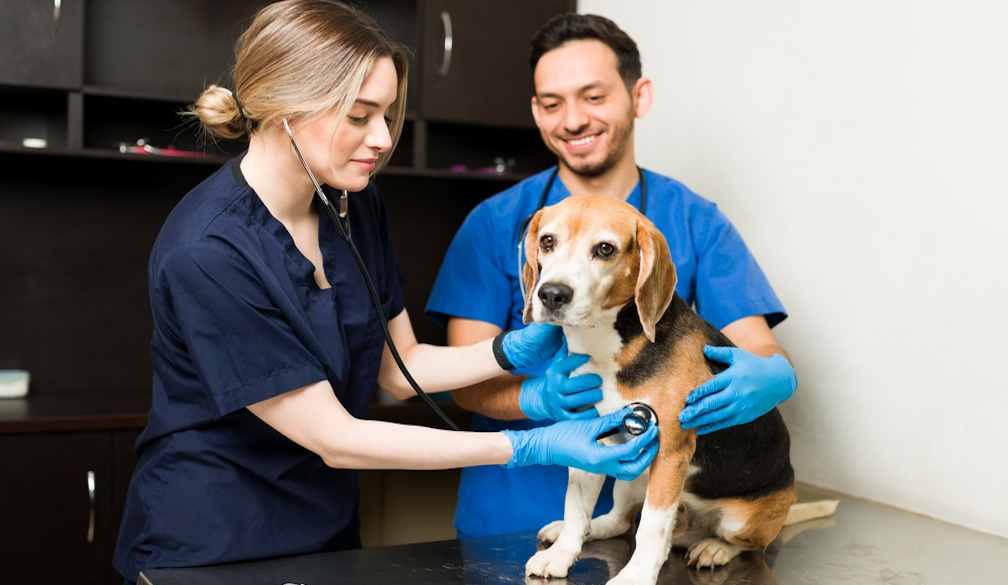
Image by tonodiaz on Freepik
Heart disease in pets is often silent in its early stages, making it difficult for owners to notice that something is wrong.
Unlike humans, pets can’t tell us when they’re feeling unwell, so it’s up to veterinary professionals to identify the subtle signs and investigate further.
Through a combination of experience, observation, and advanced diagnostics, vets can detect heart conditions early and help manage them before they become life-threatening.
Understanding Heart Health Issues in Pets: Why Early Diagnosis Matters
Heart disease can affect pets at any stage of life, whether due to inherited conditions or health changes that develop with age.
In many cases, early symptoms are mild or mistaken for normal aging, such as slowing down on walks or sleeping more than usual.
Some of the most common signs of heart problems in pets include:
- Persistent coughing
- Laboured or rapid breathing
- Fatigue or reduced stamina
- Episodes of fainting or collapse
- Swelling in the abdomen from fluid retention
Recognising these signs early and seeking veterinary advice is critical. Early diagnosis allows for more effective treatment and a better quality of life for your pet.
Common Risk Factors for Heart Health Issues in Pets
While heart disease can affect any pet, certain factors can increase the risk. These include:
- Breed predispositions: Some breeds are more prone to specific heart conditions. For example, Cavalier King Charles Spaniels often develop mitral valve disease, while Dobermans are known to be at risk for dilated cardiomyopathy.
- Age: Senior pets are more likely to develop heart issues as part of the aging process.
- Obesity: Excess weight puts added strain on the heart and blood vessels.
- Concurrent health conditions: Illnesses like hyperthyroidism or chronic kidney disease can contribute to heart problems.
- Dental disease: Bacteria from infected gums can enter the bloodstream and potentially damage the heart valves.
Being aware of these risk factors helps vets and pet owners take a proactive approach to monitoring and prevention.
How Vets Diagnose Heart Health Issues in Pets
When a veterinarian suspects a heart condition, they follow a thorough and structured process. This typically includes:
Physical Examination
Listening to the heart and lungs with a stethoscope helps detect murmurs, irregular rhythms, and other abnormalities. The vet will also assess pulse quality, breathing patterns, and gum colour for signs of poor circulation.
Blood Tests
These help assess the function of organs that can influence heart health and rule out other potential causes of symptoms.
Electrocardiogram (ECG/EKG)
An ECG records the heart’s electrical activity and helps identify arrhythmias and conduction issues.
Chest X-rays
X-rays allow the vet to assess the size and shape of the heart, as well as check for fluid in the lungs—a sign of congestive heart failure.
Echocardiogram (Cardiac Ultrasound)
This non-invasive imaging test provides a detailed view of the heart’s structure and movement. It’s often considered the gold standard for diagnosing many heart conditions.
Many practices, including experienced teams, use these tools in combination to make accurate, early diagnoses and guide treatment plans that are tailored to each individual pet.
Dogs vs Cats: How Heart Disease Can Look Different
Heart disease presents differently between species. While dogs often show noticeable signs like coughing or abdominal swelling, cats can be much harder to read. In many cases, a cat with heart disease may simply become more withdrawn or less active.
In some cases, the first visible sign of heart disease in cats is sudden collapse or difficulty breathing, both considered emergencies.
This difference underscores the importance of regular check-ups, especially for older pets or those with risk factors.
Supporting Your Pet’s Heart Health at Home
Preventative care can go a long way in protecting your pet’s cardiovascular health. Simple habits and regular attention make a meaningful difference, such as:
- Maintaining a healthy weight through portion control and regular activity
- Providing a balanced, heart-friendly diet, avoiding excess sodium
- Keeping up with dental care to reduce risk of infection
- Staying on top of parasite control, which protects overall health
- Booking regular health checks with your vet, even if your pet seems well
Education and prevention are at the core of veterinary care. Clinics like Centenary Vet often use annual visits as an opportunity to screen for subtle heart issues and guide pet owners on long-term health strategies.
What Happens After a Diagnosis?
If your pet is diagnosed with a heart condition, the vet will put together a personalised treatment plan. This may involve:
- Medications to improve heart function or manage symptoms
- Dietary changes to reduce fluid retention and support cardiovascular health
- Exercise modifications to avoid overexertion
- Scheduled rechecks and monitoring to track disease progression
Early treatment not only helps your pet feel better but also slows the development of more serious complications.
Don’t Ignore the Signs of Heart Health Issues in Pets
Heart disease can be serious, but with early detection and appropriate care, many pets go on to live full and happy lives.
Veterinary professionals are trained to spot problems early, use advanced tools for accurate diagnosis, and work closely with owners to manage each case with compassion and care.
Knowing the signs, understanding the risks, and staying proactive with regular check-ups is the best way to support your pet’s heart health, now and in the future.


 Daily Bulletin


