

Australia’s top 20 sports and physical activities revealed
- Written by: SportAus
Walking ranks No 1, but we still need to step up our activity levels
Sport Australia CEO Kate Palmer says it’s encouraging to see a gradual increase in physical activity levels of Australians, but warns it will require much more improvement and long-term behavioural change to combat Australia’s inactivity crisis.
Sport Australia has released the latest annual data from its AusPlay survey, Australia’s largest and most comprehensive sport and physical activity survey launched in late-2015.
For the first time, AusPlay has revealed Australia’s top 20 sports and physical activities along with detailed ‘State of the Play’ reports on each. Recreational activities like walking, fitness/gym, swimming, running and cycling top the list, with football at number six the most popular organised sport for Australian participants.
The first three years of AusPlay has recorded an increase in the overall number of Australians participating in sport and physical activity: 63.0 per cent of Australians interviewed in 2018 have participated in sport or physical activity at least three times per week compared to 59.9 per cent in 2016.
Palmer says it’s a step in the right direction, but solving Australia’s inactivity crisis is far more complex and requires generational change.
“The positive news in this data is that it shows Australians are making the effort to get moving because they are becoming more aware of the importance of sport and physical activity to their health and wellbeing,” Palmer says.
“It’s a small step in the right direction, but we’re still falling a long way behind when it comes to meeting recommended physical activity guidelines. For example, research tells us only 19 per cent of children meet the recommended one hour of physical activity a day.
“Our general lifestyles are becoming more sedentary than ever before because of things such as technological advances, so that makes it critically important to find dedicated time for sport and physical activity in our lives.
“We need to move more and our lives depend on it. It is estimated physical inactivity now contributes to the deaths of 16,000 Australians every year. That’s shocking, it’s almost 14 times the national road toll.
“Sport Australia realises the importance of shifting the dial on this now because we are committed to making generational change.”
Palmer says AusPlay provides invaluable data to help inform governments at all levels, sporting organisations and physical activity providers. She says it can also serve as inspiration for all Australians.
“Australians are lucky to have so many opportunities to get active,” Palmer says. “Our AusPlay survey records 385 types of sports and physical activities undertaken by Australians, and you may just need to find a connection with one of those to change your life for the better.
“It’s interesting to see how activities we participate in evolve as we age. Swimming is a key skill in our formative years, while team sports are popular around the early teens for social as well as physical development. Fitness and gym becomes a key motivation from late-teens onwards, while walking is the number one activity from 35 onwards. The message here is there’s a sport or physical activity to keep you moving throughout your entire life.
“Sport Australia launched #FindYour30 to motivate every Australian adult to find 30 minutes of physical activity a day and I encourage everyone to go to Sport Australia’s website if you’re looking for tips to get more active.”
Top 20 participation sports and physical activities
*Based on annual participation (organised out-of-school activities only for children 0-14; all activities for adults 15+)
- Walking (Recreational) 8,783,064
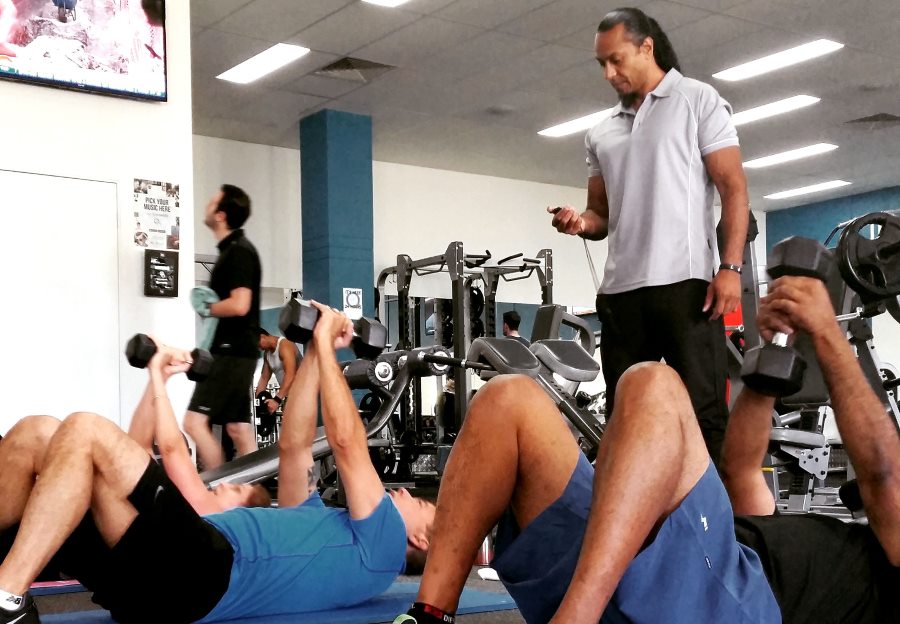
- Fitness/Gym 6,874,541
- Swimming 4,505,531
- Running/Athletics 3,334,693
- Cycling 2,359,660
- Football 1,767,288
- Tennis 1,202,011
- Bush walking 1,189,493
- Basketball 1,017,968
- Golf 1,015,150
- Yoga 984,362
- Australian Football 913,668
- Netball 901,903
- Cricket 798,618
- Dancing (recreational) 688,293
- Pilates 585,706
- Surfing 508,015
- Gymnastics 489,058
- Touch football 464,721
- Martial arts 316,826
Did you know?
- Walking has the highest participation rate, but is rarely an organised activity so Australians spend far less on walking than the other top 20 activities. Australian adults spend approximately $23 million per year on walking participation, compared to more than $3 billion Australian adults spend each year on fitness and gym activities.
- Of the top 20 activities, 10 have predominantly male participants and 10 predominantly female:
- The activities with the largest percentage of adult female participation are Pilates (90 per cent), Netball (89 per cent), Dancing (89 per cent), and Yoga (86 per cent).
- The activities with the largest percentage of adult male participation are Cricket (88 per cent), Australian Football (84 per cent) and Golf (81 per cent)
- Activities with the closest gender equity among adults include Bushwalking (51 per cent Female), Running (54 per cent Male) and Martial Arts (55 per cent Female)
- There has been a surge in women regularly participating in Australian Football since the introduction of the AFLW. The number of women (females aged 15+) participating at least once a week has risen from 31,542 in 2017 to 59,504 in 2018, while participation at least twice a week has gone from 19,005 to 48,225, a rise of 154%. But among the team sports in the top 20 activities, Netball, Football, Basketball and Touch Football still have more female participation in that order.
- Looking at participation per capita, the ACT leads adult participation in six of the 20 top activities (Gym/Fitness, Running, Cycling, Bushwalking, Football and Martial Arts). Other leading states and territories for top 20 activities include: Victoria (Golf, Basketball, Pilates); Northern Territory (Yoga, AFL, Cricket); NSW (Swimming, Tennis, Dancing, Surfing); Queensland (Touch Football); Tasmania (Walking); and South Australia (Netball).
- Football remains the largest team sport, with an estimated 1.43 million Australians playing what is considered organised football.
- Of the top 20 activities:
- Seven had a greater percentage of adult participation in remote or very remote regions compared to the overall Australian adult population. These included: Touch Football, Tennis, Australian Football, Cricket, Netball, Basketball and Walking.
- Six had a greater percentage of participation for adults of Culturally and Linguistically Diverse (CALD) backgrounds compared to the overall population. These included Football (7.8% compared to 5.4%), Fitness/Gym (36% compared to 33.8%), Running (16.5% compared to 15.3%), Cricket (3.2% compared to 2.7%), Basketball (3.9% compared to 3.5%) and Yoga (5.2% compared to 4.8%).
- Six had a greater percentage of participation for adults of Indigenous culture compared to the overall population. These included: Basketball (5.6% compared to 3.5%), Touch Football (3.8% compared to 1.8%), Netball (4.3% compared to 2.8%), Cricket (3% compared to 2.7%), Martial Arts (1.5% compared to 1.2%) and Australian Football (2.7% compared to 2.6%).
- Two had a greater percentage of participation for adults with disabilities compared to the overall population. These were Walking (49.2% compared to 43.6%) and Martial Arts (1.3% compared to 1.2%)
- Martial Arts has far different peak participation ages for males and females in organised sport. Participation for males peaks at 9-11 years of age, whereas for females it is 65+.
- Cycling has two peak age periods for organised participation: the first at ages 9-11 then again at 45-54. As they say, it’s like riding a bike!
- Golf is rare, where participation rates increase with age. More than half of all adult golfers are aged 55 and over (59%), with peak participation occurring at 65+ years of age.
- The average adult who participates in walking has a median of 156 sessions a year lasting 40 minutes.
How activities change as we age
*Based on participation at least once a week (organised out-of-school activities only for children 0-14; all activities for adults 15+)
|
Age |
Male |
Female |
|---|---|---|
|
0-4 |
Swimming |
Swimming |
|
5-8 |
Swimming |
Swimming |
|
9-14 |
Football |
Swimming |
|
15-24 |
Fitness/Gym |
Fitness/Gym |
|
25-34 |
Fitness/Gym |
Fitness/Gym |
|
35-44 |
Fitness/Gym |
Walking (Recreational) |
|
45-54 |
Walking (Recreational) |
Walking (Recreational) |
|
55-64 |
Walking (Recreational) |
Walking (Recreational) |
|
65+ |
Walking (Recreational) |
Walking (Recreational) |


 Daily Bulletin


