The arts needed a champion – it got a package to prop up the major players 100 days later
- Written by: Jo Caust, Associate Professor and Principal Fellow (Hon), School of Culture and Communication, University of Melbourne
It is now over 100 days since the country went into lockdown as a result of COVID-19. Overnight, all arts venues had to close, and arts activities essentially ceased because of the need for social distancing.
On March 19, three days after the lockdown, the Federal Arts Minister Paul Fletcher convened a meeting with state arts ministers to talk about the dire situation facing thousands of unemployed arts workers.
In late March, we waited for an announcement that the federal government would be offering targeted forms of support. We knew already that the sector provides enormous economic value to the country because the government published figures saying so.
And we waited.
Yet apart from a package announced in early April, of A$27 million for regional artists, indigenous visual arts organisations and mental health, the federal government announced nothing. Until now.
A new directed package, part of the JobMaker scheme, has been allocated $250 million. Prime Minister Scott Morrison said
Our JobMaker plan is getting their show back on the road, to get their workers back in jobs … This package is as much about supporting the tradies who build stage sets or computer specialists who create the latest special effects, as it is about supporting actors and performers in major productions.
There is an emphasis in this statement that workers in the creative economy are not just “artistic” types, but seemingly more palatable “workers”.
Read more: Government unveils $250 million for 'creative economy'
What’s in it for the sector?
There are five aspects to the package:
- $75 million in competitive grant funding, providing capital for performing arts events (Seed Investment)
- $90 million in concessional loans through commercial banks to assist new productions and events in job creation (Show Loans)
- $50 million to support local film and television production and administered by Screen Australia (Kick Start)
- $35 million to provide financial assistance to support significant Commonwealth-funded arts and culture organisations to be delivered by the Australia Council (Supporting Sustainability)
- a Creative Economy Taskforce to partner with the government and the Australia Council to implement the JobMaker plan for the creative economy.
This package, while clearly welcome, preferences larger events, significant arts organisations (read organisations included in the major performing arts framework) and film and television production.
These packages will boost employment for artists and arts workers in the longer term. Given how the packages are described though, it is unlikely small to medium arts organisations will receive much benefit.
It is good the federal government has finally responded to pleas from the arts sector for help. It is disappointing it has taken so long and doesn’t acknowledge the breadth of the sector.
Fletcher adds in the press release that the federal government is providing $100 million per month to the arts sector through the JobKeeper program and other cash flow assistance. What this entails is hard to calculate.
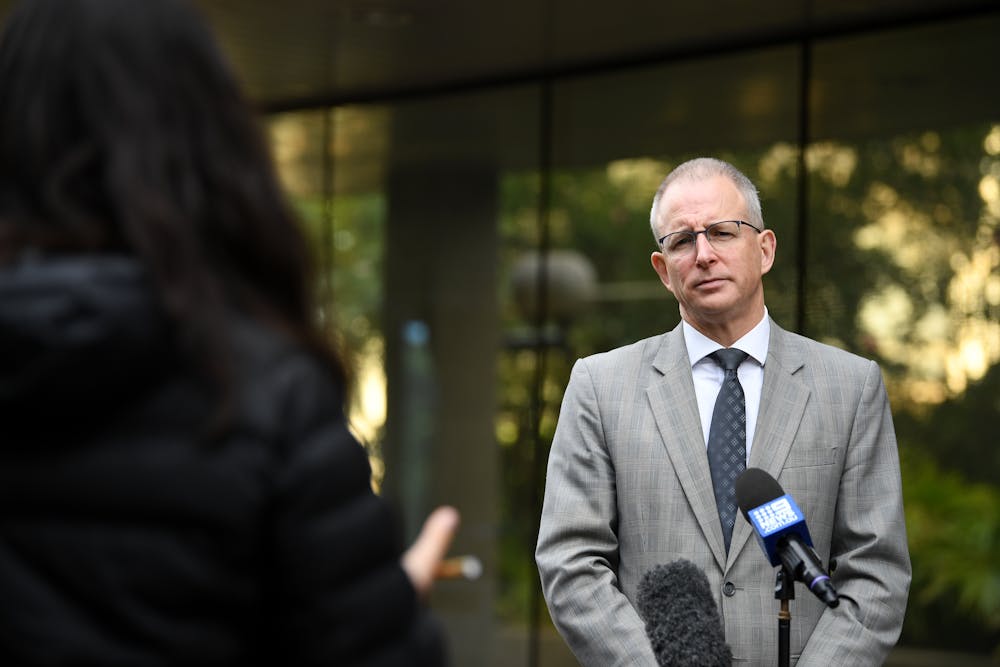 Minister Paul Fletcher met with state arts ministers in March. Yesterday he spoke about ABC cuts.
AAP/Joel Carrett
Minister Paul Fletcher met with state arts ministers in March. Yesterday he spoke about ABC cuts.
AAP/Joel Carrett
We know many artists and arts workers have been unable to access JobKeeper. Many arts workers fell through the gaps of both schemes, given the nature of employment in the sector, which relies on short term contracts and often multiple sources of employment.
Read more: The government says artists should be able to access JobKeeper payments. It's not that simple
While aware of these anomalies, the government rejected a move by the Greens to widen eligibility for JobKeeper.
State support
All the states have provided additional support to the arts sector, but some are offering a great deal more than others.
Both Victoria and Queensland, and more recently New South Wales, have offered generous support to both individuals and arts organisations. Until now, South Australia and Western Australia have offered very little.
The Australia Council redirected $5 million of its funding towards special grants (of $5,000 to $10,000) for individual artists and small organisations.
Though these small grants are unlikely to make a massive difference overall, the council has been trying in other ways: running training webinars for artists and arts workers to upskill themselves in the digital arena. It has also been more flexible in managing its grant agreements.
Yet in early April 2020, the council cut funding to over 30 small-to-medium arts organisations, bringing the toll to more than 90 organisations cut over the past four years.
The ability of artists to adapt creatively to the changing situation is laudable, but they may have been too generous in this process, by giving away their talent for free.
In March, industry leaders said $850 million in assistance was needed.The federal government’s slow response has caused many commentators to argue it doesn’t seem to value either arts or culture.
Further, the latest figures from the ABS note that 78% of the sector has had a major decrease in income and only around 18% of the sector is operating normally. The capacity for parts of the sector to reactivate are now bleak.
Don’t call it culture
This latest announcement signals the government is more comfortable if the sector is framed as the “creative economy” rather than arts and culture.
Raising the cost of tertiary creative arts and humanities education implies the government believes they are expensive indulgences and not to be taken seriously.
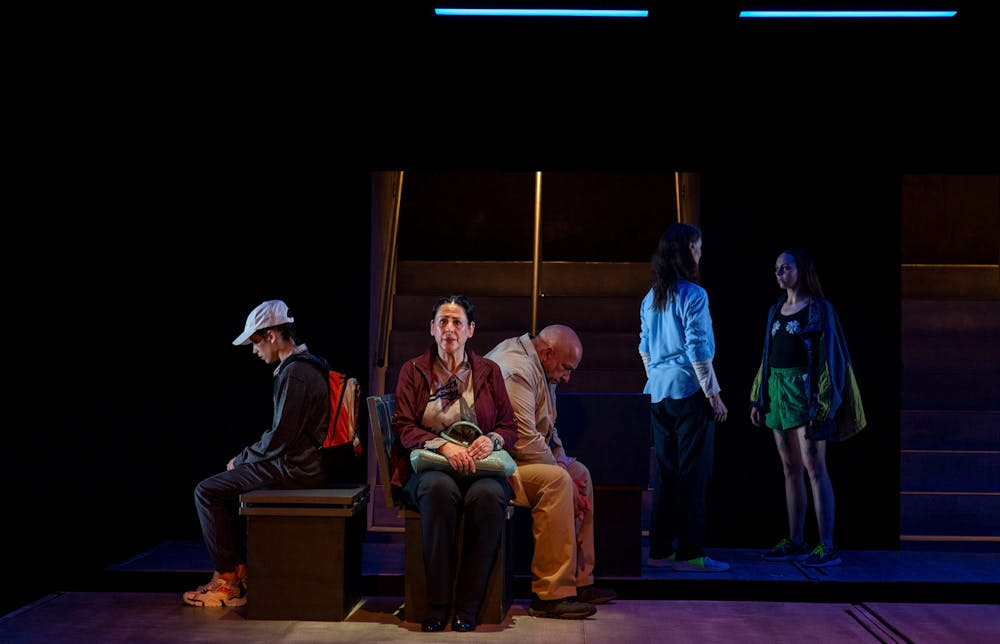 Anthem, performed at the Melbourne International Arts Festival in 2019.
Pia Johnson
Anthem, performed at the Melbourne International Arts Festival in 2019.
Pia Johnson
The devastating destruction of unique indigenous cultural heritage and the threat of further destruction by mining companies, with no formal protest from government, is another warning sign.
The hits keep coming with job cuts at the ABC and the National Gallery of Australia.
Read more: Friday essay: the politics of dancing and thinking about cultural values beyond dollars
Through this period of lockdown, we have all benefited by the books we could read, the music we could listen to, the exhibitions we could visit online and the films and television we could watch.
This work is made by artists and facilitated by arts workers. They have our support, they deserve government support too.
Authors: Jo Caust, Associate Professor and Principal Fellow (Hon), School of Culture and Communication, University of Melbourne


 Daily Bulletin