

Children may need to be vaccinated against COVID-19 too. Here's what we need to consider
- Written by: Ketaki Sharma, PhD student, University of Sydney
An ideal COVID-19 vaccine would not only protect people from becoming ill, it would also stop the virus spreading through the population. The best way to do this is to vaccinate as many people as possible.
If the best available vaccine is only moderately protective — for example, if it only prevents 50% of infections — we might need to vaccinate children as well as adults to interrupt the spread.
There is no COVID-19 vaccine being developed specifically for children. So if children are to be vaccinated, they will likely receive the same vaccine as adults. They might require a different dosing schedule, but that is not yet clear.
So what are the issues with developing a safe and effective COVID-19 vaccine for children? And where are we up to with clinical trials including them?
Why children?
Children don’t appear to be “super-spreaders” of COVID-19, although they can still be infected. And if infected, they have a lower risk of severe illness or death than adults.
However, some children may have a higher risk of severe illness, such as those with existing medical problems. We are also learning more about a rare but serious inflammatory condition reported in some children after COVID-19 infection.
There is also a broader issue at stake. Delaying children’s access to vaccines could delay our recovery from COVID-19. This would prolong the pandemic’s considerable impact on children’s education, health and emotional well-being.
Read more: Rare multisystem inflammatory syndrome in children linked to coronavirus
Would children react differently to a vaccine?
The way a child’s immune system reacts to pathogens or vaccines can be different to adults. Age can determine the number of required doses. For example, infants sometimes require more doses of a vaccine than older children.
Age can also influence the side-effect profile of a vaccine. For example, mild fever following vaccination can be common in babies and young children.
So vaccine developers need to include children in their clinical trials so they can gather age-specific information on the immune response, the effectiveness of the vaccine in preventing disease, and any side-effects.
Are COVID-19 vaccines already being tested in children?
Vaccine trials are usually done in stages. They typically start with healthy, young and middle-aged adults.
Once a vaccine is confirmed to be safe in these earlier trials, developers then test the vaccine in older and younger age groups.
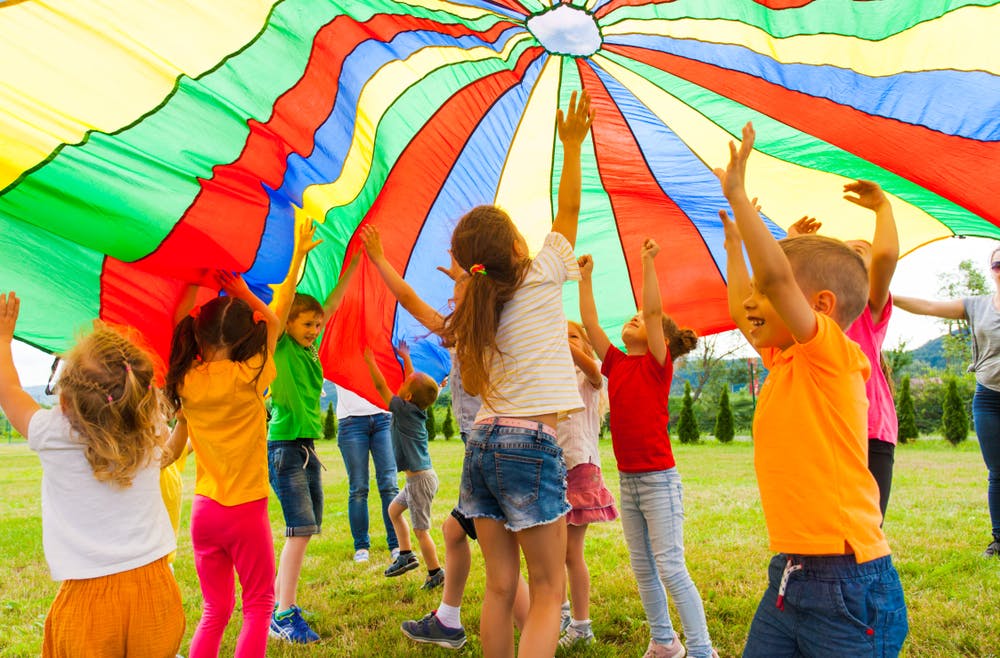 Some vaccine developers have already announced plans to test their COVID-19 vaccines in children.
Shutterstock
Some vaccine developers have already announced plans to test their COVID-19 vaccines in children.
Shutterstock
Several COVID-19 vaccine developers already have plans to include children in their clinical trials.
University of Oxford researchers will recruit children aged 5-12 into a phase 2/3 trial of its vaccine. This is one of the vaccines for which the Australian government has a supply agreement, should clinical trials prove successful.
Pfizer will enrol children aged 12 and older in a phase 2/3 trial of its vaccine. Multiple developers in China and in India are also including children in COVID-19 vaccine trials, some as young as six.
All of these trials are ongoing and have not released results.
Read more: From adenoviruses to RNA: the pros and cons of different COVID vaccine technologies
How could we get more children included in trials?
We need more children included in clinical trials, an issue recognised globally. For instance, the US Food and Drug Administration announced it will work as quickly as possible with vaccine developers to set up trials for COVID-19 vaccines in children.
The US National Institutes of Health is developing a protocol for researchers to include children in vaccine trials in a safe but timely way.
Having a universal protocol, which we don’t yet have for COVID-19 vaccine trials, would make it easier for researchers to include children in future trials, and to compare different vaccines.
There are no protocols yet including children in COVID-19 vaccine trials run in Australia. Any Australian studies would only likely examine the immune response and safety in children (phase 1 and 2 trials). They would probably not examine effectiveness (phase 3 trials) because of the low rates of COVID-19 here.
Read more: How researchers assess whether medications work
Before any child is enrolled in a trial their parent or guardian will be asked to read an information sheet that explains the risks and benefits of taking part. Safety data from earlier trials in adults would need to be included in child-specific information sheets, so parents are aware of the known risks before they decide to enrol their child.
In Australia, it may be a challenge to enrol children in COVID-19 vaccine trials, as the disease burden is low compared with other countries, so parents may not want their child to take part.
However, it is important we learn as much as we can about how COVID-19 vaccines perform in children, and participating in such research helps us gather this valuable information.
How is vaccine safety assessed?
Vaccine trials are closely supervised by an independent data and safety monitoring board, who follow strict protocols and have the authority to pause a trial if there are safety issues.
Australia also has strict guidelines for the registration of vaccines. A vaccine will only be licensed if its safety has been demonstrated in large studies, usually including many thousands of people. Usually, vaccines are registered according to the age groups in which trials have been done.
Even after a vaccine is licensed in Australia, its safety continues to be monitored. A doctor, patient or parent can report side-effects to the authorities.
Alternatively, researchers can more actively engage with the public to monitor side-effects, such as with the AusVaxSafety system.
In this system, when a GP gives someone a vaccine, that person receives a text message three days later to ask about side-effects and to complete a survey on their smart phone or computer. This is “real time”, important safety data.
We already use this system to monitor the safety of each year’s flu vaccines and will potentially use it when COVID-19 vaccines are rolled out into the community.
In a nutshell
Although there has been extraordinary progress in COVID-19 vaccine trials, only some vaccine developers have taken steps to recruit children so far. That needs to change if we are to protect children and the wider community. So we need protocols that make it easier for researchers to recruit children into COVID-19 vaccine trials.
As early data in adults accumulates, providing information to parents — and where age-appropriate, their children — to consent to their child participating in trials has a lot of benefits. It will also ultimately help us in the race to end this pandemic.
Authors: Ketaki Sharma, PhD student, University of Sydney


 Daily Bulletin


