

How does COVID affect the brain? Two neuroscientists explain
- Written by: Trevor Kilpatrick, Professor, Neurologist and Clinical Director, Florey Institute of Neuroscience and Mental Health
Scientists are becoming more and more concerned with the emergence of a syndrome termed “long COVID”, where a significant percentage of sufferers of COVID-19 experience long-lasting symptoms.
Studies suggest symptoms remain for approximately 5-24% of confirmed COVID cases, at least three to four months after infection.
The risk of long COVID is no longer thought to be directly linked with either age or the initial severity of the COVID illness. So younger people, and people with initially mild COVID, can still develop long-COVID symptoms.
Some long-COVID symptoms begin quickly and persist, whereas others appear well after the initial infection has passed.
Symptoms include extreme fatigue and ongoing breathing complications.
What particularly concerns us as neuroscientists is that many long COVID sufferers report difficulties with attention and planning — known as “brain fog”.
So how does COVID affect the brain? Here’s what we know so far.
How does the virus get to our brains?
There’s evidence connecting respiratory viruses, including influenza, with brain dysfunction. In records of the 1918 Spanish flu pandemic, reports abound of dementia, cognitive decline, and difficulties with movement and sleep.
Evidence from the SARS outbreak in 2002 and the MERS outbreak in 2012 suggest these infections caused roughly 15-20% of recovered people to experience depression, anxiety, memory difficulties and fatigue.
There’s no conclusive evidence the SARS-CoV-2 virus, which causes COVID, can penetrate the blood brain barrier, which usually protects the brain from large and dangerous blood-borne molecules entering from the bloodstream.
But there’s data suggesting it may “hitchhike” into the brain by way of nerves that connect our noses to our brains.
Researchers suspect this because in many infected adults, the genetic material of the virus was found in the part of the nose that initiates the process of smell — coinciding with the loss of smell experienced by people with COVID.
How does COVID damage the brain?
These nasal sensory cells connect to an area of the brain known as the “limbic system”, which is involved in emotion, learning and memory.
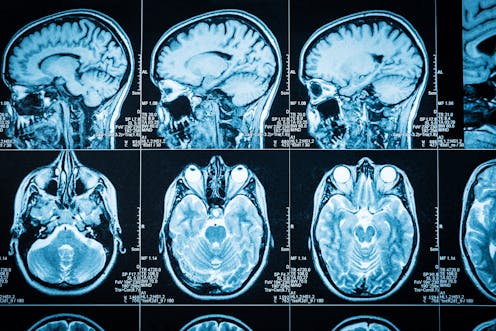
In a UK-based study released as a pre-print online in June, researchers compared brain images taken of people before and after exposure to COVID. They showed parts of the limbic system had decreased in size compared to people not infected. This could signal a future vulnerability to brain diseases and may play a role in the emergence of long-COVID symptoms.
COVID could also indirectly affect the brain. The virus can damage blood vessels and cause either bleeding or blockages resulting in the disruption of blood, oxygen, or nutrient supply to the brain, particularly to areas responsible for problem solving.
The virus also activates the immune system, and in some people, this triggers the production of toxic molecules which can reduce brain function.
Although research on this is still emerging, the effects of COVID on nerves that control gut function should also be considered. This may impact digestion and the health and composition of gut bacteria, which are known to influence the function of the brain.
The virus could also compromise the function of the pituitary gland. The pituitary gland, often known as the “master gland”, regulates hormone production. This includes cortisol, which governs our response to stress. When cortisol is deficient, this may contribute to long-term fatigue.
This was a recognised phenomenon in patients who were diagnosed with SARS, and in a disturbing parallel with COVID, people’s symptoms continued for up to one year after infection.
Given the already significant contribution of brain disorders to the global burden of disability, the potential impact of long COVID on public health is enormous.
There are major unanswered questions about long COVID which require investigating, including how the disease takes hold, what the risk factors might be and the range of outcomes, as well as the best way to treat it.
It’s crucial we begin to understand what causes the wide variation in symptoms. This could be many factors, including the viral strain, severity of the infection, the effect of pre-existing disease, age and vaccination status, or even the physical and psychological supports provided from the start of the disease.
While there are many questions about long COVID, there’s certainty about one thing: we need to continue doing everything we can to prevent escalating COVID cases, including getting vaccinated as soon as you’re eligible.
The Florey Institute’s Sarah Handcock was also a co-author of this article.
Authors: Trevor Kilpatrick, Professor, Neurologist and Clinical Director, Florey Institute of Neuroscience and Mental Health
Read more https://theconversation.com/how-does-covid-affect-the-brain-two-neuroscientists-explain-164857


 Daily Bulletin


