

How to wear a mask in the heat
- Written by: Thea van de Mortel, Professor, Nursing and Deputy Head (Learning & Teaching), School of Nursing and Midwifery, Griffith University

Summer is on its way and you might be wondering how you’re going to wear a mask as the weather gets warmer.
Which mask is best? Is there anything you can do to prevent “macne”? How can you stop the ear loops from chafing? How do you prevent your sunglasses fogging up?
Here are some practical tips to keep you comfortable while helping you stay safe.
Read more: Which mask works best? We filmed people coughing and sneezing to find out
Which mask is best in the heat?
Disposable surgical masks are more effective at filtering out viruses than cloth masks but to remain effective they should only be used once. Cloth masks are not quite as effective but can be washed and reused.
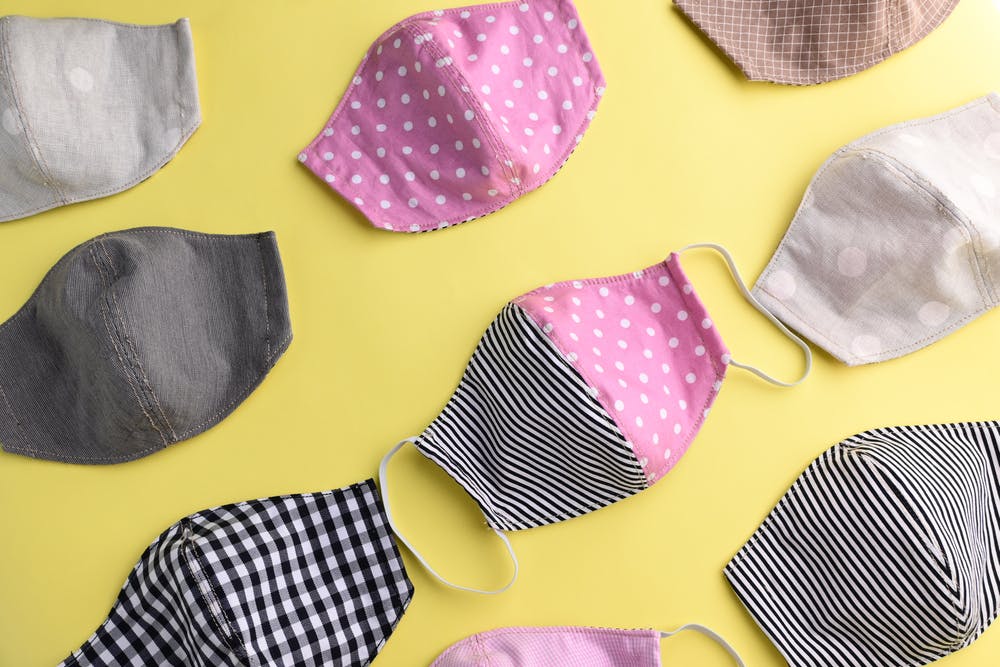
According to the World Health Organization, cloth masks should have three layers. The inner layer should be soft cotton as this is more comfortable on the face. This is also more absorbent, and less irritating, than synthetic materials. Cloth masks with synthetic material in the inner layer will also increase sweating, so avoid these.
All masks become less effective when damp – from the damp air you exhale and from your sweat. The best mask to wear in the heat is the one you are most likely to wear.
Sweating, wearing masks and macne
Wearing a mask can affect your skin in a number of ways. It increases skin temperature and sweating, which can worsen acne or other skin conditions. That’s where the term “macne” or “mascne” comes from.
Mask wearing also increases production of sebum (skin oil), which can clog pores.
Masks can cause friction if they don’t fit well. They can also cause sensitivity reactions if the innermost layer is made from synthetic fibres, and depending on how you wash them.
While it might seem odd, your skin also gets drier under a mask. That’s possibly because the humidity under the mask disrupts the normal skin barrier.
What to do
If you want to wear a cloth mask, a soft cotton-lined one is recommended to reduce the risk of skin irritation. Dermatologists also recommend avoiding makeup, such as some foundation and face powder, when wearing a mask, to avoid clogging the pores.
Dermatologists also recommend washing your mask regularly, preferably after each use. If you are prone to skin conditions use a laundry detergent for sensitive skin to wash your mask, as normal laundry detergents contain perfumes and chemicals that can cause skin reactions. Avoid using fabric softeners for the same reason.
Dermatologists also suggest washing your face morning and night with lukewarm water and a mild cleanser and avoiding irritating solutions such as retinoids or aftershave. A moisturiser before and after mask wearing can help rehydrate the skin; ensuring your mask fits snugly will reduce friction.
Avoid sore ears
When you wear a mask for extended periods, the elastic loops can cause painful pressure on the backs of your ears.
To prevent this, use paper clips to join the loops together at the back of your head, taking the pressure off your ears.
Another nifty solution is to use a headband with buttons or paper clips attached. You attach the ear loops to the buttons/paper clips rather than putting the loops over your ears.
How do you stop your sunnies fogging up?
People who wear prescription glasses will be used to avoiding fogging while wearing a mask. The same advice applies to people wearing sunglasses.
Sunnies fog up when you wear a mask because the warm water vapour in your breath comes out the top of your mask and condenses on your lenses.
Prevent the moist air from reaching your sunnies by:
resting them on the mask rather than above the mask. The pressure of the sunnies reduces the chance of vapour exiting the top of the mask
pinching the top of the surgical mask to improve the fit around the top of your nose. If using a cloth mask, insert a pipe cleaner in the top to shape the mask over the nose
using soft tape suitable for skin to tape down the top of the mask. If you do this, test the tape somewhere else on your body first to make sure you don’t have a reaction to it.
Other anti-fogging strategies include:
using anti-fogging wipes or spray on the lenses, which you can buy over the counter from your local pharmacy or at an optometrist
making your own anti-fogging effect by rubbing a thin layer of liquid soap or shaving cream across the inside of each lens.
Use anti-fogging solutions with care, though, as some may damage any anti-glare or anti-UV films on the lens. Check with your optometrist if unsure.
Read more: Can't get your kid to wear a mask? Here are 5 things you can try
In a nutshell
Whether you choose to wear a cloth or surgical mask this summer, these simple tips will help this become more comfortable as the temperatures rise, you sweat more and your skin may become more irritated.
But make sure you wear your mask correctly. Wearing it under your nose makes it completely ineffective.
Read more: It's easy to judge. But some people really can't wear a mask
Authors: Thea van de Mortel, Professor, Nursing and Deputy Head (Learning & Teaching), School of Nursing and Midwifery, Griffith University
Read more https://theconversation.com/how-to-wear-a-mask-in-the-heat-169941


 Daily Bulletin


