

I've tested positive to COVID. What should I do now?
- Written by: Natasha Yates, Assistant Professor, General Practice, Bond University
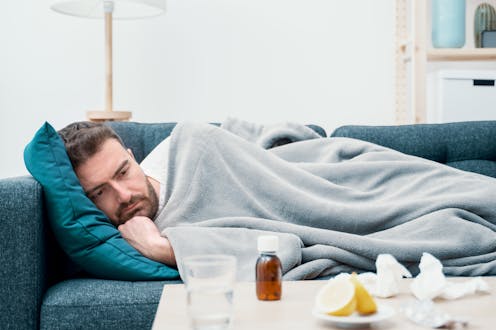
For two years, COVID has dominated our world. In Australia, we’ve tested every sniffle, undergone extensive lockdowns, and double-vaccinated more than 90% of adults to combat this lethal virus.
So, it’s understandable our first reaction when we test positive to COVID ourselves is to panic.
However, a positive test doesn’t mean you will necessarily end up in hospital.
As a GP, here’s my advice on what you should do.
When you test positive
If you test positive on a rapid antigen test at home, you’re no longer required to get a PCR test.
If you have symptoms and cannot get either a PCR or a rapid antigen test, you should assume you have COVID and self-isolate until you can get tested.
Who should you tell?
Tell a support person – someone who will be able to check on you every day, either in person (taking appropriate precautions) or by phone.
Also notify your work and cancel any other commitments you have coming up for the following week.
Contact tracing is completely overwhelmed in most states and territories, so make sure to notify your close contacts yourself.
Currently, this is defined as a person who has spent four hours or more with you in a household or “household-like” setting while you’re infectious, which includes the two days before you got symptoms. Realistically, someone can catch it from you in much less than four hours, so notifying anyone you spent time with (even if less than four hours), would make medical sense.
In some states you are asked to notify the public health unit that you’ve tested positive. But at the time of writing there’s no national approach to self-reporting.
Only inform your doctor if you have certain conditions
Don’t automatically notify your GP. In many cases, if you’re young, fit and healthy there’s no benefit to you.
The current national recommendations for treating COVID suggest adults with mild illness and no other risk factors may manage their symptoms at home.
With tens of thousands of people being diagnosed daily – and GPs rolling out booster vaccines, vaccines for children, and continuing our usual work – we don’t have capacity to review every person in Australia who’s a positive test each day.
However, certain people testing positive should arrange a telehealth consultation with a GP regardless of how well they feel on receiving the news.
This includes people who are over 65, pregnant, immunocompromised, or are both unvaccinated/partially vaccinated and have certain diseases like diabetes, obesity, kidney, heart, liver or lung disease.
As people in this group are at higher risk of deteriorating, they may be able to access medications such as antiviral therapy to reduce that risk.
Treating ourselves at home
Most of us will be treating ourselves at home.
This will usually apply to people who are under 65, aren’t pregnant, have had at least two doses of a COVID vaccine, and don’t suffer from any chronic conditions.
Here are some things to consider:
make sure your home is as safe as possible for others who live there. It’s not inevitable everyone at home will catch it from you, especially if you keep it well ventilated
as you’re not allowed to leave the house at all (except for urgent medical care), ensure you have ways of getting food and medication, such as via home delivery services
rest, keep up your fluids, and treat pain and fever symptoms with over-the-counter medications if needed, like paracetamol and ibuprofen
nausea, vomiting and diarrhoea aren’t uncommon. If you experience any of these, eat small meals more often, stick to “white coloured” foods (pasta, rice, potato, white bread), and drink enough for your urine to look pale
continue your usual medications. It’s very important you don’t stop taking these, unless your GP specifically advises otherwise
if you have access to an oxygen monitor, use it three times a day or if you feel your breathlessness is worsening. If your levels are 92% or lower, you need urgent review. Don’t rely on a smart watch for oxygen monitoring.
Here are some further helpful guides to managing COVID at home.
Read more: 5 tips for ventilation to reduce COVID risk at home and work
When to get medical help
The national Healthdirect website suggests asking yourself these questions morning, afternoon and night:
If you answer “no” to any of these questions, call your GP for a telehealth assessment.
Some parts of Australia have systems where home monitoring takes place under a management plan devised by a health-care provider. Your GP will help you access this if appropriate.
You may also like to complete a daily symptom checklist.
When to go to hospital
Bypass your GP, go to straight to hospital, or call 000 if you develop any of the following:
breathlessness, so you’re unable to speak in sentences, for example you cannot count to 20 in a single breath
fainting, unusually sleepy (difficult to rouse) or lethargic, or become unconscious at any point
skin turning blue or pale, or becoming clammy and cold
pain or pressure in the chest
confusion
passing no urine or a lot less urine than usual
coughing up blood.
When will you be safe to stop isolation?
Current guidelines on this are complicated, vary from state to state, and change frequently.
For starters however, you can expect at least seven days of isolation.
Rules around safely stopping isolation centre on protecting both yourself and others. Therefore, as a general rule, you may stop isolating once you’re no longer infectious (evidenced by a negative PCR or rapid antigen test), your symptoms have passed (mild/occasional coughing is OK as this can last weeks) and you feel well enough to return to your normal life.
It’s best to check local requirements before stopping your isolation.
Finally, if you’re reading this before having tested positive, now is a great time to do some planning and put preparations in place, just in case you do.
Authors: Natasha Yates, Assistant Professor, General Practice, Bond University
Read more https://theconversation.com/ive-tested-positive-to-covid-what-should-i-do-now-174458


 Daily Bulletin


