

When is the right time for children to learn to swim?
- Written by: Amy Peden, Lecturer - Injury Prevention, UNSW
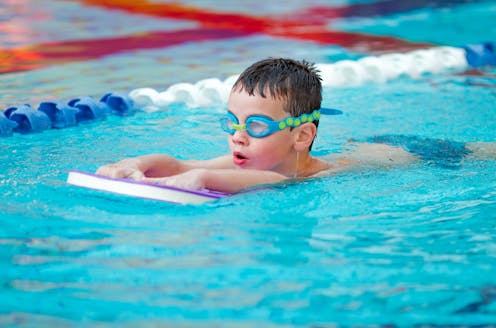
Each year in Australia, an average of 23 children under five die from unintentional drowning, usually due to factors such as a lack of adult supervision, unrestricted access to water and not having the skills to stay safe in water.
Teaching children to swim is crucial to prevent drowning; it’s also good for fun and fitness, and sets kids up for a lifetime of water enjoyment.
But when is the best age to enrol children in swimming?
Read more: Why going for a swim in the ocean can be good for you, and for nature
Age four is a good time to start
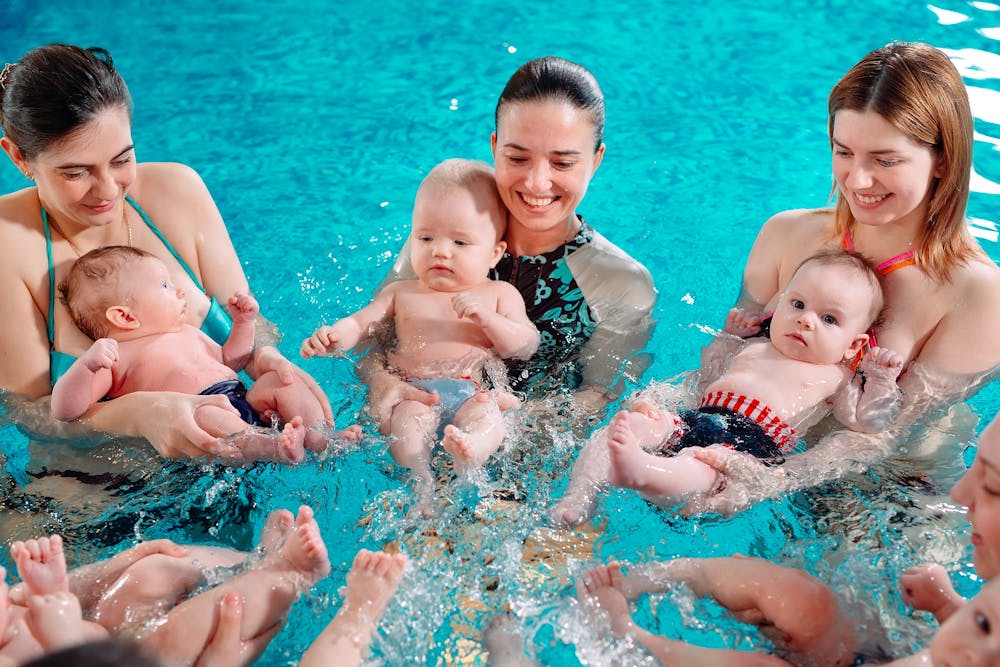
Many learn-to-swim schools offer lessons for children as young as six months, and parents often feel under pressure to get kids started as early as possible.
These lessons can help a child get used to water, learn to put their face under and learn to close their mouths. They can also be a great opportunity for parent and child to bond, as the caregiver is in the water with the child. Research has even suggested swimming in the early years can benefit physical, cognitive and language skills among three to five year olds.
But while it may be possible to teach young infants basic motor skills in water, infants cannot, and should not, be expected to know how to swim or to be able to react appropriately in emergencies.
There’s not a lot of research available on what age is the “best” time to start swim lessons. But studies from Australia suggest children start being able to master water confidence and basic aquatic locomotive skills at around four years of age, regardless of the age they are when lessons begin.
The same researchers also reported that regardless of whether lessons began at two, three or four years of age, children achieved the skills necessary to perform freestyle at five and a half years of age.
Some evidence suggests swimming lessons improve swimming ability and behaviour around the pool in younger children (between two and four years of age).
But the jury is out on how well these skills are maintained in the long term.
You may have also seen videos circulating on social media showing infants being tossed into pools and rolling over to float on their back unassisted.
But Austswim, Australia’s national organisation for the teaching of swimming and water safety, has advised against forced back float and submersion in favour of more developmentally appropriate strategies.
Research I led also showed a negative prior aquatic experience, which can occur during formal learn-to-swim lessons, can negatively impact a child’s achievement level.
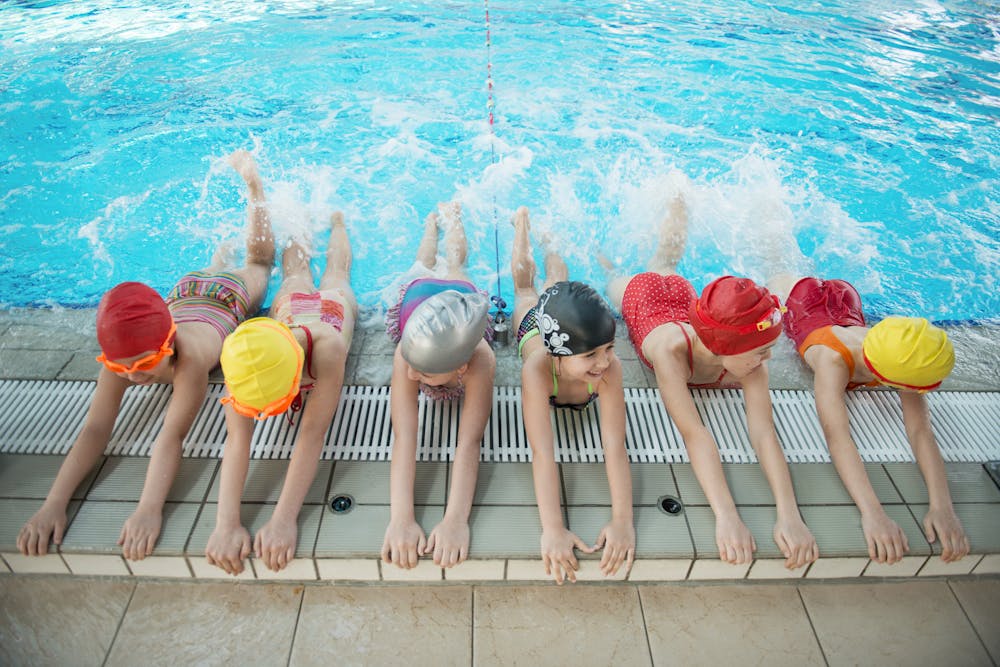 Learning to swim sets kids up for a lifetime of water enjoyment.
Shutterstock
Learning to swim sets kids up for a lifetime of water enjoyment.
Shutterstock
Consistency is key
Parents sometimes enrol their children in swimming lessons at a young age and then pull them out before minimum competencies are achieved, frustrated by the cost of lessons and the seemingly slow progress.
COVID has also interrupted swimming lessons and water safety education for many children.
Some will return to lessons and catch up, but some may never return – perhaps due to the cost of lessons or because the child is now focused on a different sport or activity.
So when considering whether to enrol your child in swimming lessons, consider sticking with it over the long term until your child truly has the skills to stay safe in the water.
Consider your child’s maturity level and how ready they are to learn to swim. Factor in the long-term costs associated with lessons and when that investment may provide the greatest benefit.
Once enrolled, what’s the best way to learn?
You might be wondering what’s better: a short weekly lesson or school holiday intensives, where the child does a swim lesson every day for a week or two.
The answer may depend on your family’s schedule and what’s available in your area but even if you opt for holiday intensives, try to provide opportunities for your child to regularly practise the skills learned in the pool.
Research I co-authored found the more often a child swims (formally or informally) in a pool, at the beach or at the river, the better they will do at swimming lessons. My coauthors and I recommended children swim at least once a fortnight.
It has been a tragic summer for drowning so far, with several factors increasing the risk at this time of year. Therefore, water safety is vital.
For children, in addition to learning to swim, that means active adult supervision of children at all times around the water, checking the pool fence and gate are in good working order and learning CPR so you have the skills to respond in an emergency.
Read more: Watered down: what happened to Australia's river swimming tradition?
Authors: Amy Peden, Lecturer - Injury Prevention, UNSW
Read more https://theconversation.com/when-is-the-right-time-for-children-to-learn-to-swim-173144


 Daily Bulletin


