

Shannon Burns' Childhood is a story of disconnection, neglect, violence and poverty
- Written by: Brigid Magner, Senior Lecturer in Literary Studies, RMIT University
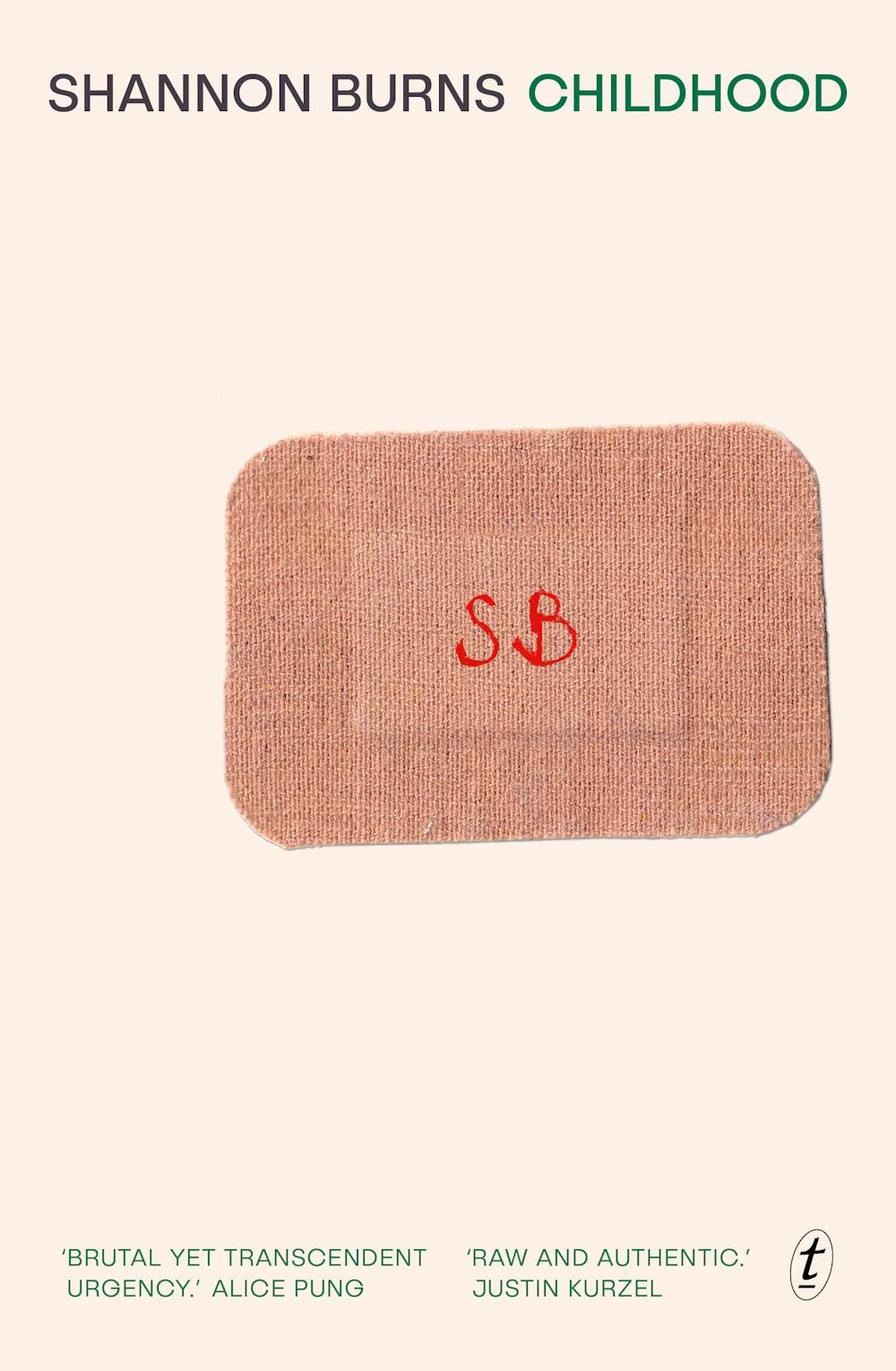
Shannon Burns’ memoir Childhood begins with an epigraph from Leo Tolstoy’s book of the same name:
The happy unrecoverable days of childhood! How could I not love, not cherish its memories? They have lifted up and refreshed my soul and served as the source of its finest pleasures.
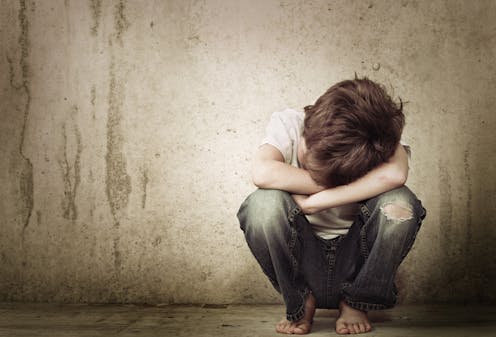
The South Australian suburban childhood explored in this memoir is far from idyllic. Burns’ early life was one of disconnection, neglect, violence and poverty.
Review: Childhood – Shannon Burns (Text Publishing).
When he started writing Childhood, Burns was a literary critic and writer, who had taught at university for a decade. He had been experimenting with memoir for a while. Earlier versions of sections of this book have been published in various periodicals.
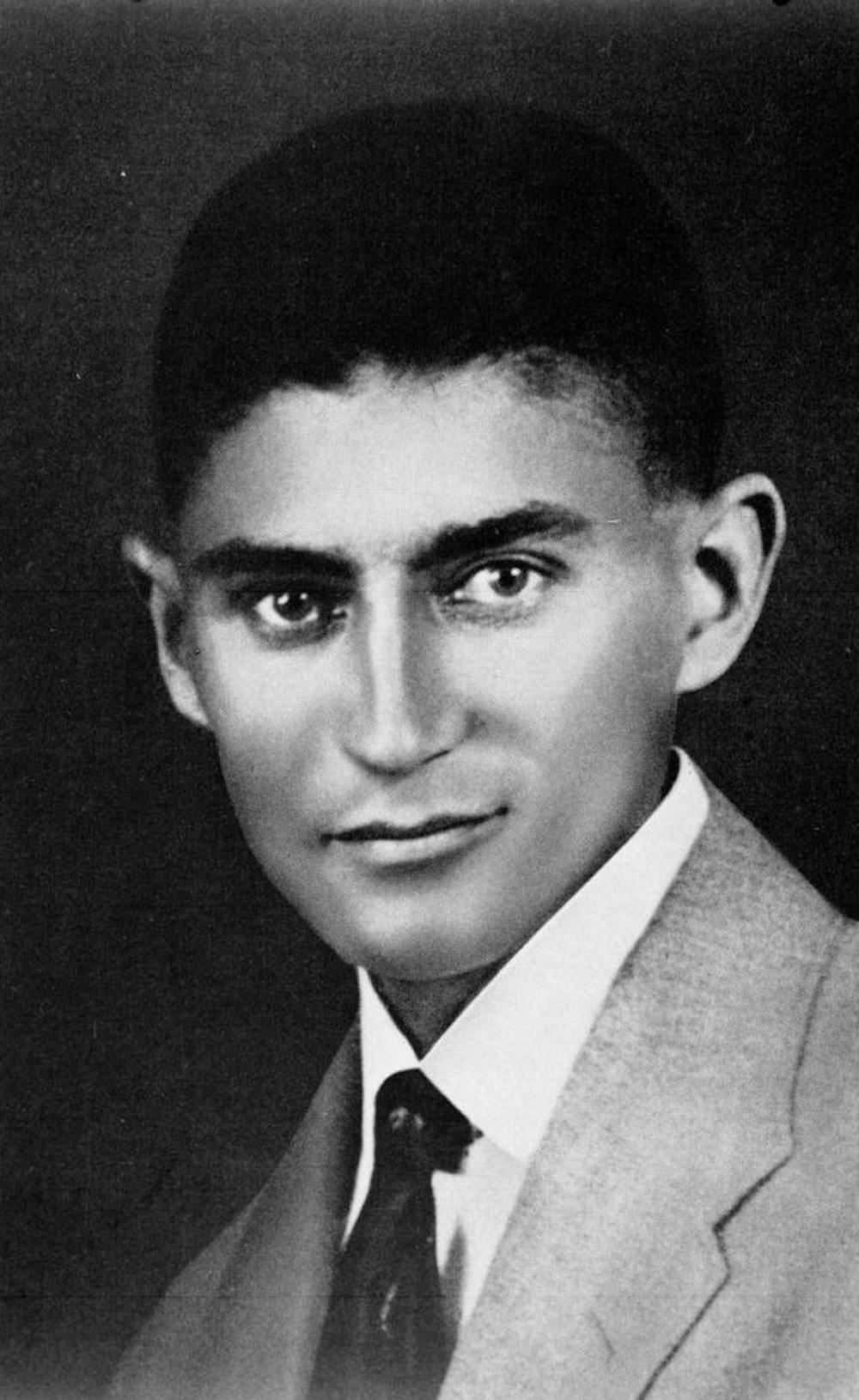 Franz Kafka in 1917.
Public domain
For Red Peter, the price of becoming human is that it is a one-way trip; to return would involve skinning himself alive. This analogy might seem hyperbolic to some readers, but for those who have suffered trauma, the prospect of return may be impossibly perilous.
The story of Red Peter has been cited by J.M. Coetzee in his metafictional work The Lives of Animals, which takes the form of lectures delivered by his character Elizabeth Costello, signalling a link with the J.M. Coetzee Centre for Creative Practice where Burns is a fellow. With its generic title, Childhood also acknowledges its debt to Coetzee’s autobiographical trilogy Scenes from Provincial Life, especially the first two volumes Boyhood and Youth, both of which are written in the third-person, creating an ironic distance between the mature author and his younger self.
Read more:
How to write about broken trust in a memoir? Janine Mikosza’s Homesickness maps trauma in bold new ways
A way of being
The sociologist Pierre Bourdieu used the term “habitus” to describe a person’s way of being in the world, understood as a product of their specific personal history. As a result of the trauma he has suffered, Burns develops an evasive disposition. Although he might look purposeful and striving, he argues that his real talent is withdrawal and redirection. He is able to focus his energies on one thing and let all other considerations float away, an ability that has been beneficial in his chosen career of literary scholarship. For Burns, reading is its own form of human connection and serves to regulate his emotions.
Rejecting the role of victim, Burns embraces a working class ethos, which is at odds with the welfare class existence that he’s born into. As he explains in his 2017 essay In Defence of the Bad White Working Class:
whenever I allowed myself to feel like a victim, I fell into paralysis and deep poverty; whenever I took pride in my capacity to work and endure, things got slightly better. One world view worked; the other didn’t.
When he drops out of school and works full-time at a recycling centre, Burns is surrounded by older damaged men, ex-prisoners and addicts. This unrelentingly dirty and repetitive work makes his hands bleed, but it also allows him to live alone, albeit without electricity for night-time reading.
After an ongoing struggle, he arrives at university and decides that a law degree is dangerous for somebody with his temperament: “the resentment was too strong and made me uglier than I hoped to be, so I gave up law as a precautionary measure.” By the time he became a tutor in literature, he had learned to “gulp down” his distaste and “concentrate on the words”, and the intelligence and industriousness of his students.
Franz Kafka in 1917.
Public domain
For Red Peter, the price of becoming human is that it is a one-way trip; to return would involve skinning himself alive. This analogy might seem hyperbolic to some readers, but for those who have suffered trauma, the prospect of return may be impossibly perilous.
The story of Red Peter has been cited by J.M. Coetzee in his metafictional work The Lives of Animals, which takes the form of lectures delivered by his character Elizabeth Costello, signalling a link with the J.M. Coetzee Centre for Creative Practice where Burns is a fellow. With its generic title, Childhood also acknowledges its debt to Coetzee’s autobiographical trilogy Scenes from Provincial Life, especially the first two volumes Boyhood and Youth, both of which are written in the third-person, creating an ironic distance between the mature author and his younger self.
Read more:
How to write about broken trust in a memoir? Janine Mikosza’s Homesickness maps trauma in bold new ways
A way of being
The sociologist Pierre Bourdieu used the term “habitus” to describe a person’s way of being in the world, understood as a product of their specific personal history. As a result of the trauma he has suffered, Burns develops an evasive disposition. Although he might look purposeful and striving, he argues that his real talent is withdrawal and redirection. He is able to focus his energies on one thing and let all other considerations float away, an ability that has been beneficial in his chosen career of literary scholarship. For Burns, reading is its own form of human connection and serves to regulate his emotions.
Rejecting the role of victim, Burns embraces a working class ethos, which is at odds with the welfare class existence that he’s born into. As he explains in his 2017 essay In Defence of the Bad White Working Class:
whenever I allowed myself to feel like a victim, I fell into paralysis and deep poverty; whenever I took pride in my capacity to work and endure, things got slightly better. One world view worked; the other didn’t.
When he drops out of school and works full-time at a recycling centre, Burns is surrounded by older damaged men, ex-prisoners and addicts. This unrelentingly dirty and repetitive work makes his hands bleed, but it also allows him to live alone, albeit without electricity for night-time reading.
After an ongoing struggle, he arrives at university and decides that a law degree is dangerous for somebody with his temperament: “the resentment was too strong and made me uglier than I hoped to be, so I gave up law as a precautionary measure.” By the time he became a tutor in literature, he had learned to “gulp down” his distaste and “concentrate on the words”, and the intelligence and industriousness of his students.
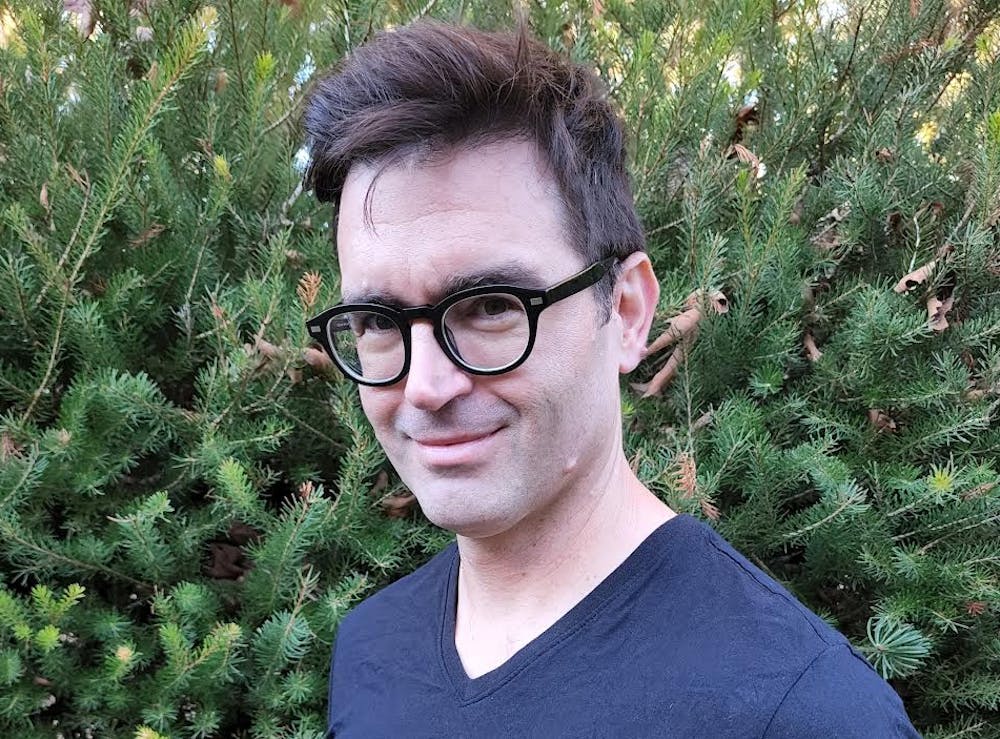 Shannon Burns.
Image: Text Publishing
Near the end of Childhood, Burns reproduces an unsent letter to his mother which appears to be chillingly disengaged. He compares himself to a dog he encountered in foster care that ate its own shit, from sheer hunger. “Here is the real calamity”, he says to his mother,
the tragedy that keeps us apart: we’re characters in two different stories, and yours is a nightmare from which I am trying to escape.
Realising that she wants to reconnect with him, he asks her to “imagine” that her boy forgives her when the truth is that he doesn’t believe in forgiveness. Long ago, he taught himself how to live without his mother, and there is no going back.
Trauma memoirs are often hailed as “inspiring”, but I suspect Burns would refuse the designation. Instead, he emphasises the warping effects of falling upwards, bravely listing his own misdemeanours, such as bullying others at school and being a careless boyfriend as a younger man, along with his complicated feelings of complicity with his father’s perversion. The passages in which he describes his relationship with a teenage friend’s unstable mother make for excruciating reading.
As a survivor, Burns has an ingrained habit of expecting the worst. He is able to make himself numb when required and forgets painful moments easily. Reflecting on the demise of the boy who picked the shrub rose for his beloved mother, he remarks:
Perhaps there are people who can afford to be supersensitive beyond their middle teens, but he is not one of them. He lost years of his life in the name of strong emotion, paid for it with abjection.
Childhood recounts domestic horrors in a matter-of-fact voice devoid of self-pity, yet it is not without feeling. It offers a compelling view of Burns’ turbulent formative years from the perspective of a “dangerously contented” existence in another part of Adelaide. Thirty-five years after leaving Elizabeth North, Burns drives half an hour from his current home to explore it again. The journey feels like “crossing galaxies”. Surprisingly, instead of the painful moments, he recalls the fun of those days, experiencing a fleeting sense of “at-homeness”. Being in Elizabeth North again makes him realise that
the lost world is still there, close to the surface, and so is my childhood, if I only allow myself to see it.
Authors: Brigid Magner, Senior Lecturer in Literary Studies, RMIT University
Shannon Burns.
Image: Text Publishing
Near the end of Childhood, Burns reproduces an unsent letter to his mother which appears to be chillingly disengaged. He compares himself to a dog he encountered in foster care that ate its own shit, from sheer hunger. “Here is the real calamity”, he says to his mother,
the tragedy that keeps us apart: we’re characters in two different stories, and yours is a nightmare from which I am trying to escape.
Realising that she wants to reconnect with him, he asks her to “imagine” that her boy forgives her when the truth is that he doesn’t believe in forgiveness. Long ago, he taught himself how to live without his mother, and there is no going back.
Trauma memoirs are often hailed as “inspiring”, but I suspect Burns would refuse the designation. Instead, he emphasises the warping effects of falling upwards, bravely listing his own misdemeanours, such as bullying others at school and being a careless boyfriend as a younger man, along with his complicated feelings of complicity with his father’s perversion. The passages in which he describes his relationship with a teenage friend’s unstable mother make for excruciating reading.
As a survivor, Burns has an ingrained habit of expecting the worst. He is able to make himself numb when required and forgets painful moments easily. Reflecting on the demise of the boy who picked the shrub rose for his beloved mother, he remarks:
Perhaps there are people who can afford to be supersensitive beyond their middle teens, but he is not one of them. He lost years of his life in the name of strong emotion, paid for it with abjection.
Childhood recounts domestic horrors in a matter-of-fact voice devoid of self-pity, yet it is not without feeling. It offers a compelling view of Burns’ turbulent formative years from the perspective of a “dangerously contented” existence in another part of Adelaide. Thirty-five years after leaving Elizabeth North, Burns drives half an hour from his current home to explore it again. The journey feels like “crossing galaxies”. Surprisingly, instead of the painful moments, he recalls the fun of those days, experiencing a fleeting sense of “at-homeness”. Being in Elizabeth North again makes him realise that
the lost world is still there, close to the surface, and so is my childhood, if I only allow myself to see it.
Authors: Brigid Magner, Senior Lecturer in Literary Studies, RMIT University


 Daily Bulletin


