

A short history of insomnia and how we became obsessed with sleep
- Written by: Philippa Martyr, Lecturer, Pharmacology, Women's Health, School of Biomedical Sciences, The University of Western Australia
This article is the first in The Conversation’s six-part series on insomnia, which charts the rise of insomnia during industrialisation to sleep apps today.
French author Marie Darrieussecq writes in her 2023 memoir Sleepless:
The world is divided into those who can sleep and those who can’t.
It’s a big call. But insomnia is a well-recorded preoccupation in history. It includes difficulty falling asleep, or staying asleep, and comes with daytime distress and anxiety.
There are many, varied reasons why people have insomnia. These include biological changes as we age or because of our hormones, physical or mental health issues, the medicines we take, as well as how and where we live and work.
Read more: Explainer: what is insomnia and what can you do about it?
Insomnia is a form of torture
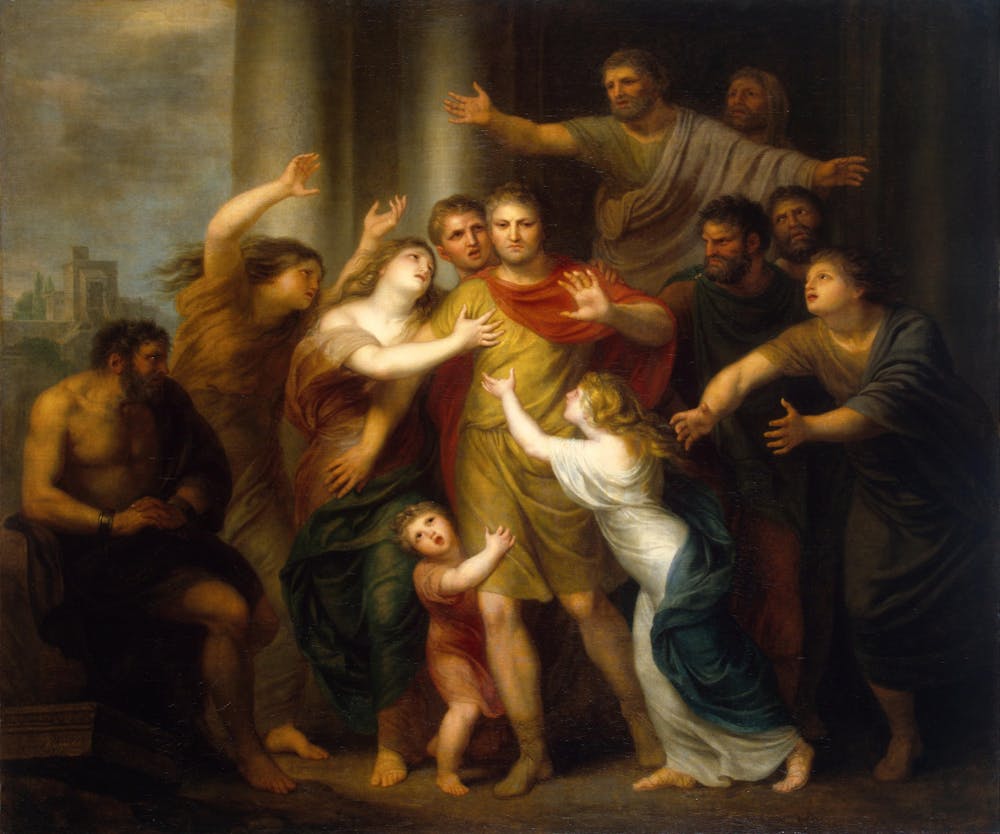
Sleep deprivation is literally a form of torture. Roman consul Marcus Atilius Regulus is allegedly the first person in recorded history to die of insomnia.
In about 256 BCE he was handed over to Rome’s enemies, the Carthaginians, who apparently tortured him to death. They did this by amputating his eyelids and forcing him to stare at the Sun.
As horrible as this sounds, the legend doesn’t stand up. There are no reliable accounts of how Regulus died. But even though sleep-deprivation torture may not have killed Regulus, it continues to be used in many countries today.
One of the best early descriptions of insomnia is by English clergyman Robert Burton in his book The Anatomy of Melancholy (1628).
Burton knew insomnia was both a cause and a symptom of depression. He also recommended avoiding eating cabbage, which “causeth troublesome dreams” and not going to bed straight after eating the evening meal.
Read more: Explainer: what's the link between insomnia and mental illness?
Then came industrialisation
But we need to look at industrialisation – when a country moves from mostly farming to mostly manufacturing using machinery – for clues to the level of insomnia we see in Western nations today.
In countries without industrialisation, insomnia is quite rare. Only around 1-2% of the population will experience it. Compare this with modern United Kingdom, where the estimated insomnia rates are 10-48%, depending on the study. A 2021 report said 14.8% of Australians had symptoms meeting criteria for chronic (long-term) insomnia.
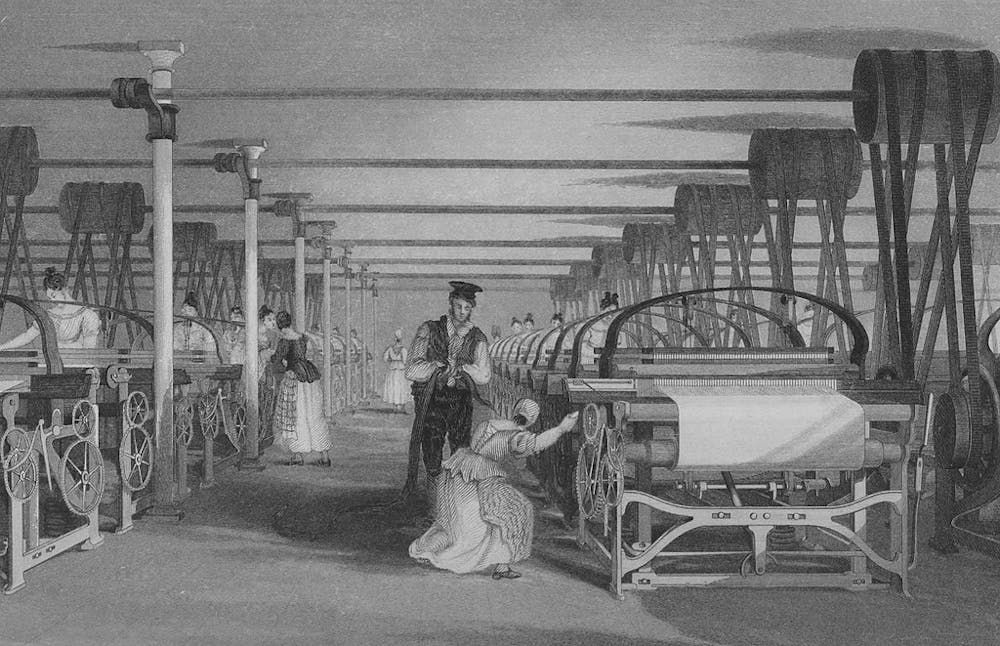 The shift to working in factories using machines also shifted our sleep habits.
Wikimedia Commons
The shift to working in factories using machines also shifted our sleep habits.
Wikimedia Commons
As Western countries modernised, things we now associate with insomnia became part of people’s lives. These include artificial lighting and clocks. There was also more ambient noise, and changes in diet and housing. So our sleep habits shifted as a result of this new way of living and working.
At around the same time, the Enlightenment era of flourishing new sciences in the late 18th century gave us the term “insomnia” and where there is “insomnia”, there must be “insomniacs”. So “insomniacs” became a diagnostic term for people struggling with sleep.
Read more: Did we used to have two sleeps rather than one? Should we again?
The 19th and 20th centuries
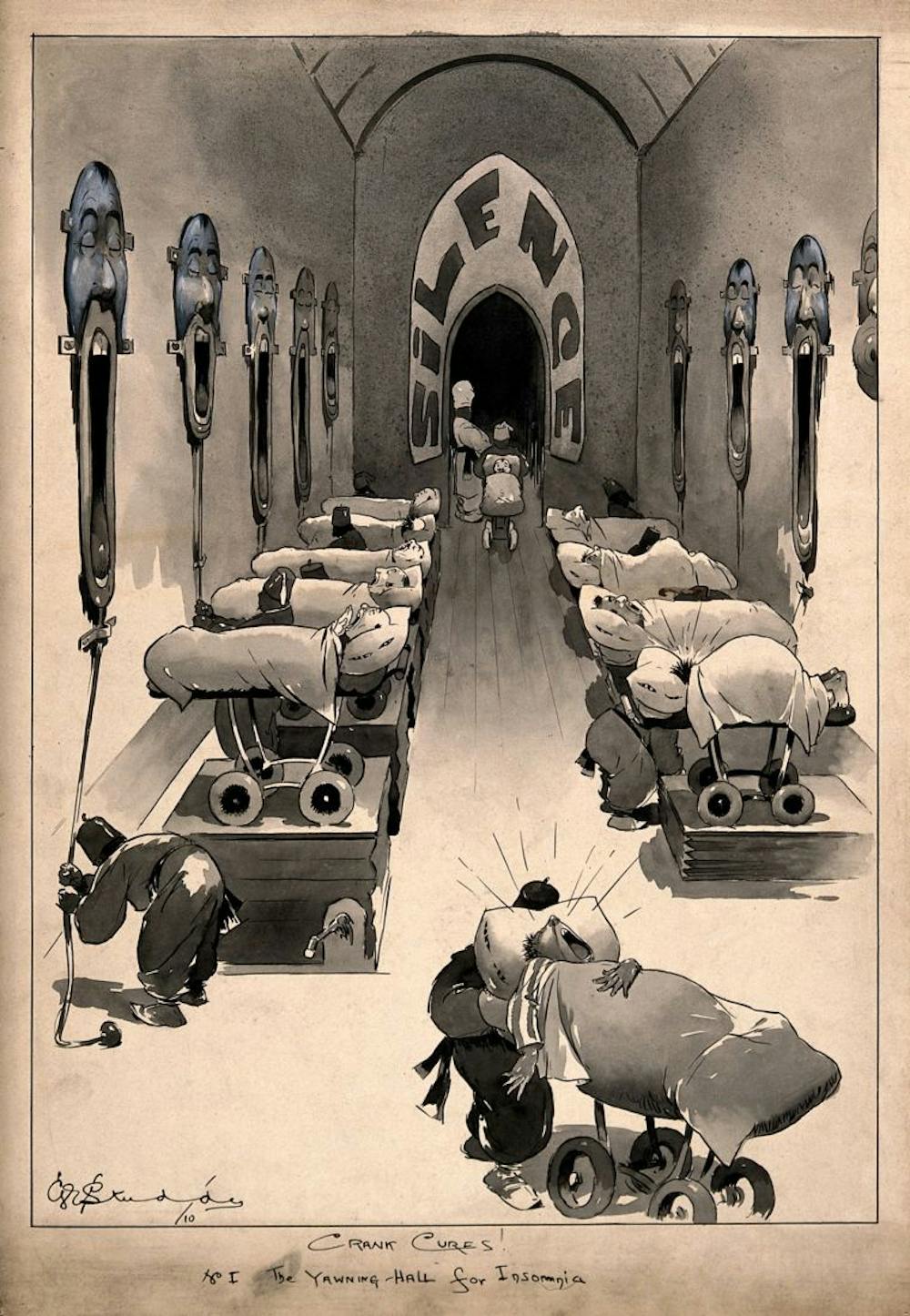 This 1910 cartoon plays on our long-held quest for sleep.
Wellcome Collection
This 1910 cartoon plays on our long-held quest for sleep.
Wellcome Collection
Medical cures for insomnia began to spread – some of them probably effective.
For example, in the 19th century Grimault & Co’s “Indian Cigarettes” were advertised in Australia. They contained cannabis.
The 19th century was also the birthplace of modern medical ideas about anxiety, which we now know can cause insomnia.
Romanian philosopher Emil Cioran (1911-1995) had chronic insomnia. His 1934 book On the Heights of Despair (the title speaks for itself) describes the loneliness and isolation of insomnia – the feeling of being cut off from the rest of humanity.
So many famous modern writers and artists had insomnia that it’s now almost a cliche. Victor Hugo, Franz Kafka, Marcel Proust and Ernest Hemingway all struggled with sleeplessness.
In Hemingway’s short story Now I Lay Me, his soldier narrator and alter ego says:
I myself did not want to sleep because I had been living for a long time with the knowledge that if I ever shut my eyes in the dark and let myself go, my soul would go out of my body.
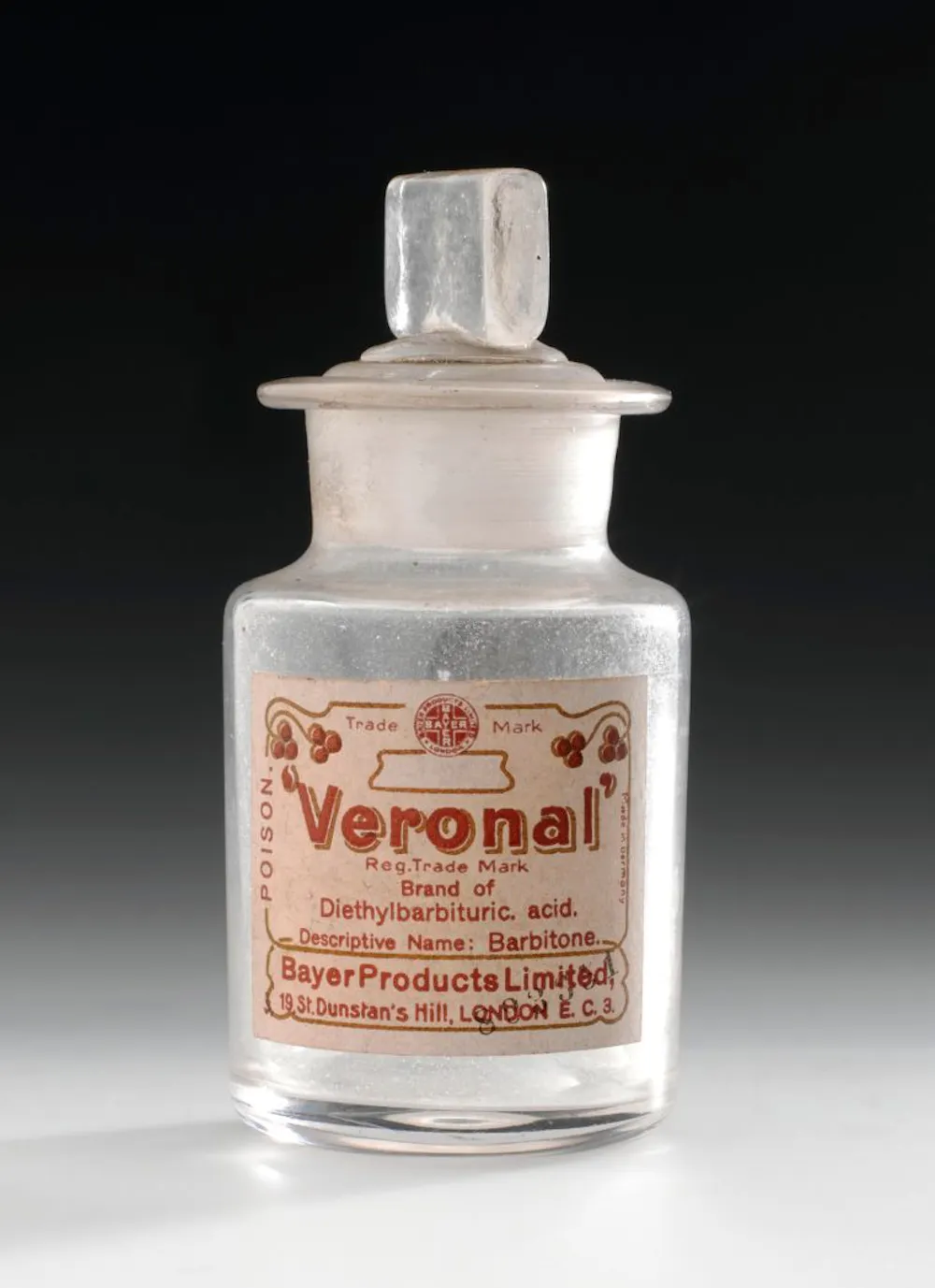 Veronal was one of a range of new drugs that promised easy sleep.
Science Museum, London, CC BY-SA
Veronal was one of a range of new drugs that promised easy sleep.
Science Museum, London, CC BY-SA
It’s also no coincidence the first barbiturate drugs were discovered in this era. Barbital, marketed as Veronal, was just one of a range of new drugs that promised easy sleep to those who struggled.
These drugs made people relaxed and sleepy by switching on the body’s gamma-aminobutyric acid (GABA) system. This part of our nervous system works to inhibit processes in the body that would otherwise keep us awake. But these drugs can inhibit these processes too much. Suicides and accidental deaths by sleeping pill overdose became sadly common in the following decades.
The famous home encyclopedia Enquire Within Upon Everything provided a scientific-sounding cure for insomnia:
Nervous persons, who are troubled with wakefulness and excitability, usually have a strong tendency of blood on the brain, with cold extremities. The pressure of the blood on the brain keeps it in a stimulated or wakeful state […] rise and chafe the body and extremities with a brush or towel, or rub smartly with the hands to promote circulation, and withdraw the excessive amount of blood from the brain, and they will fall asleep in a few moments. A cold bath, or a sponge bath and rubbing […] will aid in equalising circulation and promoting sleep.
Now, “sleep hygiene” means something different to taking a cold bath. It’s the process of quieting your body and mind before bedtime.
Which brings us to today
In the 21st century, Western living has added two new sleep disturbers to the mix. We drink huge amounts of caffeine. We also go to bed with handheld devices – with their bright lights and constant dopamine hits that stimulate us and stop us sleeping.
Our problems with insomnia show no signs of going away. This is partly because our economy is increasingly organised around sleep-depriving work. In the United States, production workers are the most likely to have sleep disorders, possibly because of shift work. In the United Kingdom, professional soccer players are over-using sleeping drugs to help them wind down after the adrenaline rush of a game.
In Australia, the financial cost of poor sleep is an estimated A$26 billion a year, mainly through lost productivity or accidents. This means there’s a good financial incentive to address the problem.
And if the global insomnia market is anything to go by, insomnia is big business and getting bigger. This is projected to reach US$6.3 billion by 2030, largely driven by increased diagnoses and therapy, as well as the use of sleep aids, such as sleep apps.
Authors: Philippa Martyr, Lecturer, Pharmacology, Women's Health, School of Biomedical Sciences, The University of Western Australia
Read more https://theconversation.com/a-short-history-of-insomnia-and-how-we-became-obsessed-with-sleep-211729


 Daily Bulletin


