

Going on a road trip this summer? 4 reasons why you might end up speeding, according to psychology
- Written by: Amanda Stephens, Senior Research Fellow, Monash University Accident Research Centre, Monash University

Your bags are packed. You’ve sorted entertainment and snacks for your passengers and have squeezed all your holiday luggage in the car. You’re now ready to head off for your road trip – one hour after you meant to leave. There will be more traffic now, but maybe, if you put your foot down you can make up some time.
It might be tempting to speed. People do so for a number of reasons, not just because they’re running late.
Here’s why, what this does to your risk of being injured, and how to plan your road trip to minimise that risk.
1. You think you’ll get there faster
Perhaps one of the biggest myths about speeding is it saves you a lot of time. In fact drivers overestimate how much time they save by driving faster.
In a study where global positioning systems were fitted to willing participants’ cars, on average drivers saved only two minutes travel time each week by driving faster than the speed limit.
Read more: Climate explained: does your driving speed make any difference to your car's emissions?
2. You take risks, not just while driving
Some drivers are more likely to speed than others. Repeat offenders are more likely to be men, younger or previously involved in a crash.
Drivers who tend to act on impulse and seek out varied “thrilling” experiences, or those who are quicker to get angry or aggressive, may also be more likely to speed. This is because these personality traits are linked to risky behaviours generally, and not just behind the wheel.
Read more: Speeding drivers keep breaking the law even after fines and crashes: new research
3. You and your friends think speeding’s OK
Drivers who usually speed see this as socially acceptable and have friends or family who also speed. These drivers, when compared to those who do not speed, are less likely to consider speeding risky, or to feel they will get caught.
Likewise, drivers who intend to speed hold similar beliefs. They think speeding is socially acceptable, and the chances of being caught or having a crash are low.
Read more: More Mad Max than max safety: teenagers don't dream of safe cars
4. You’re reacting to what’s happening today
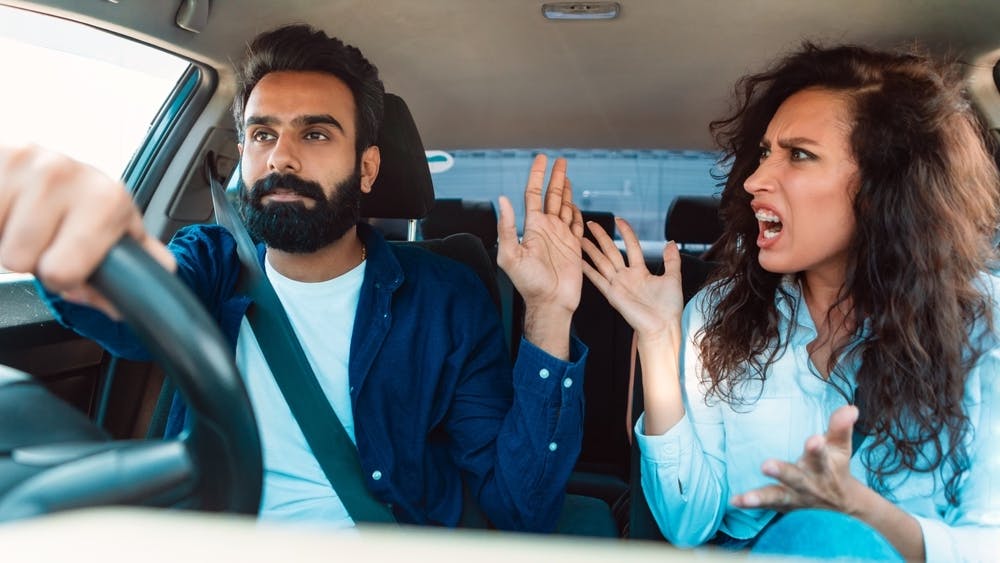
Another important contributor to speeding is what’s happening at the time, and how drivers feel about it.
Time pressure due to running late or unexpected delays may lead to faster speeds. Speeding may also be part of an aggressive driving style, an aggressive reaction to frustrating driving situations, or something that happened before the driver got in the car.
Read more: Road rage: why normal people become harmful on the roads
Speeding’s risky (even just a little over the limit)
The relationships between fast speeds and the risk of crashing may seem obvious.
However, even putting your foot down just a little bit jeopardises you and your passengers’ safety, as well as the safety of others on the road.
For instance, for every 5km/h over the speed limit in a 60km/h zone, your risk of being in a crash resulting in injury or death doubles.
Then there are the risks associated with higher-speed crashes, which make fatal and serious injuries more likely. Almost one-third of crashes where someone was killed or injured can be attributed to high speeds. That is when, just before the crash, one vehicle was driving 20km/h or more above the speed limit.
Read more: How to never get a speeding fine again — and maybe save a child's life
How to avoid speeding this summer
If you’re planning a road trip this summer, you can:
- plan your route and allow extra time for unexpected delays
- plan breaks if it’s a long drive. This helps reduce tiredness and the potential for frustration
- phone ahead, if possible, to tell someone you will be late
- consider the crash risks, and the high probability of serious injury in crashes associated with speeding
- be aware that speed enforcement usually increases over the holiday period and can be “anywhere, anytime”
- use your car’s driver speed-support systems, such as intelligent speed assist, or other systems that advise or regulate your speed. These help reduce the risk of speeding.
You can also find ways to manage frustration or anger that can lead to speeding:
- rethink the situation by asking yourself how much it really matters if you’re late
- refocus your attention to prioritise your safety or that of your passengers and other road users or economy (sticking to the speed limit uses less fuel)
- change route, or use navigation that tracks your estimated time of arrival
- consider how your behaviours influence other drivers or your passengers
- be aware that how you feel before getting in the car is likely to influence how you drive.
Possibly my favourite strategy is to remember that someone is waiting for you and they want you to arrive safely.
Authors: Amanda Stephens, Senior Research Fellow, Monash University Accident Research Centre, Monash University


 Daily Bulletin


