

Should I kick my diet soft-drink habit? Where do I start?
- Written by: Lauren Ball, Professor of Community Health and Wellbeing, The University of Queensland
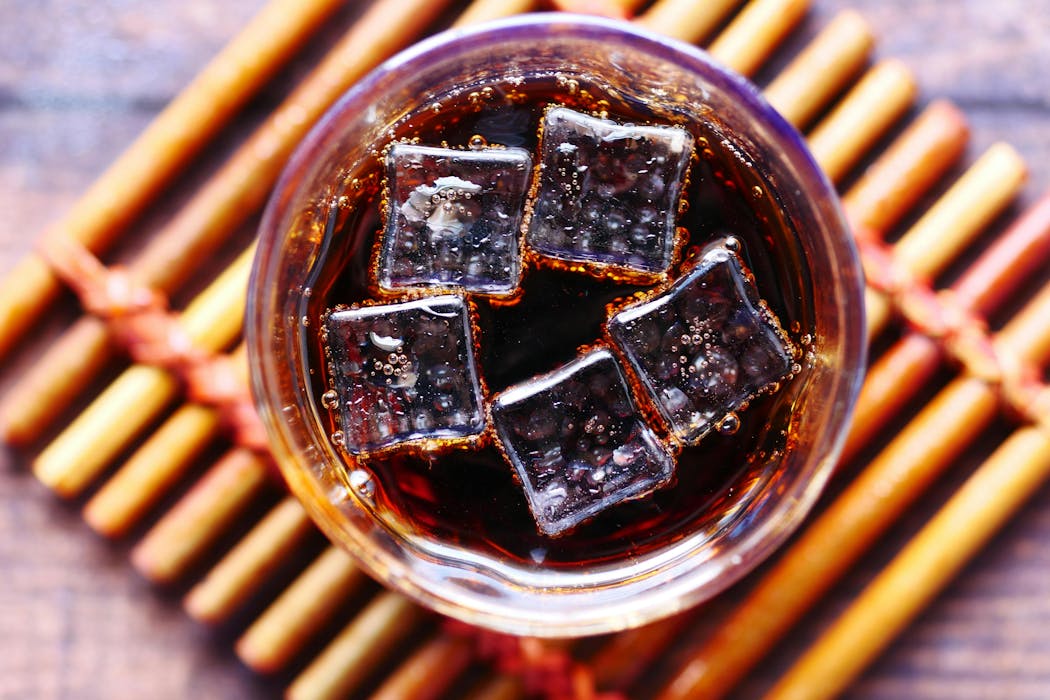
The average Australian drinks almost 60 litres of soft drink a year. Many people see diet soft drinks as a “healthier” choice than regular ones, and when it comes to sugar, that’s true.
For example, a 375 millilitre can of Coca-Cola contains about seven teaspoons of added sugar (almost to 40 grams). That’s close to the World Health Organization’s (WHO) daily recommended limit for added sugars of 50g.
In comparison, the Diet Coke version is sweetened with artificial sweeteners such as aspartame and does not contain sugar.
So if you reach for diet soft drinks, is that so bad? Or is it worth giving them up too?
Are diet soft drinks really that bad?
Diet soft drinks provide few nutrients. They often contain artificial sweeteners and caffeine, and while they’re low in energy (kilojoules), they aren’t filling.
People who regularly drink diet soft drinks may have a higher risk of developing conditions such as heart disease and type 2 diabetes.
But this doesn’t necessarily mean the drinks cause these conditions. People who already have health concerns or are trying to manage their weight may be more likely to choose diet drinks, which might make this evidence a little misleading.
How about artificial sweeteners?
In 2023, the WHO classified aspartame (a common sweetener found in many diet soft drinks) as “possibly carcinogenic to humans”. This means the evidence linking aspartame to cancer is currently limited and not conclusive.
The WHO also emphasised that the public generally consumes safe levels of aspartame and only has evidence for concern if people drink the equivalent to 14 cans of soft drink a day.
There is also emerging evidence some artificial sweeteners might irritate the gut or alter the balance of gut bacteria. These effects are still being investigated. But they’ve added to concerns about the health impacts of drinking diet soft drinks over a long period of time.
Can I get used to the sweetness?
An occasional diet drink isn’t likely to fuel an addiction to sweet foods, but cutting back is still a good idea if this has become a daily habit.
After people cut back on very sweet foods or drinks, some research suggests they start noticing sweetness more easily and find very sweet things taste too sweet.
So if you’re trying to enjoy less-sweet drinks, give it time. Within a few weeks you might actually prefer the less-sweet taste.
Here are three evidence-based strategies to help you adjust.
1. Water it down
A gentle first step is to dilute your soft drink. Start by pouring less soft drink into a glass and topping it up with water or soda water, then gradually adjust the ratio over time.
It may taste less sweet at first, but your taste buds will adapt. This slow, steady approach can make change feel easier and more sustainable than quitting abruptly.
2. Make smarter swaps
Try replacing diet soft drink with a healthier alternative that still delivers flavour or fizz. Sparkling water or soda water with a squeeze of lime or lemon and a few mint leaves gives you the same bubbly refreshment with a natural and refreshing flavour. Add ice if it is a hot day, or to provide some crunch.
If you prefer plain water but it feels boring, infuse it with slices of fruit, cucumber, berries or herbs.
You could also try unsweetened iced tea, such as black, green or herbal tea. These offer a mild caffeine lift without the added sweeteners and can be served cold with ice and lemon.
Coconut water can also be a healthier alternative as it is low in sugar while providing some additional electrolytes, which help balance fluid in the body.
3. Know your triggers
If you often reach for a soft drink out of habit, boredom or an afternoon energy slump, paying attention to these moments can help. Once you spot your triggers, you can plan a different response. Take a short walk, call a friend or make a cup of tea instead.
Keeping a chilled, reusable water bottle nearby also helps. If your drink is always within reach, you’re less likely to grab a diet soft drink when you’re out and about.
If you drink diet soft drinks because you’re hungry, reach for something nourishing instead, such as a handful of nuts, a yoghurt or a piece of fruit. These foods will satisfy you for longer than a can of diet soft drink because they have nutrients, such as fibre, to keep you fuller for longer.
The bottom line
You don’t have to give up diet soft drinks altogether. But being mindful of how much soft drink you drink, and how often, can help you make choices that better support your long-term health.
Start small, be consistent and let your taste buds adjust. Over time, you might find what once tasted “flat” now feels refreshingly natural.
Authors: Lauren Ball, Professor of Community Health and Wellbeing, The University of Queensland
Read more https://theconversation.com/should-i-kick-my-diet-soft-drink-habit-where-do-i-start-268645


 Daily Bulletin


