

House Inspections: What to Expect and How to Prepare
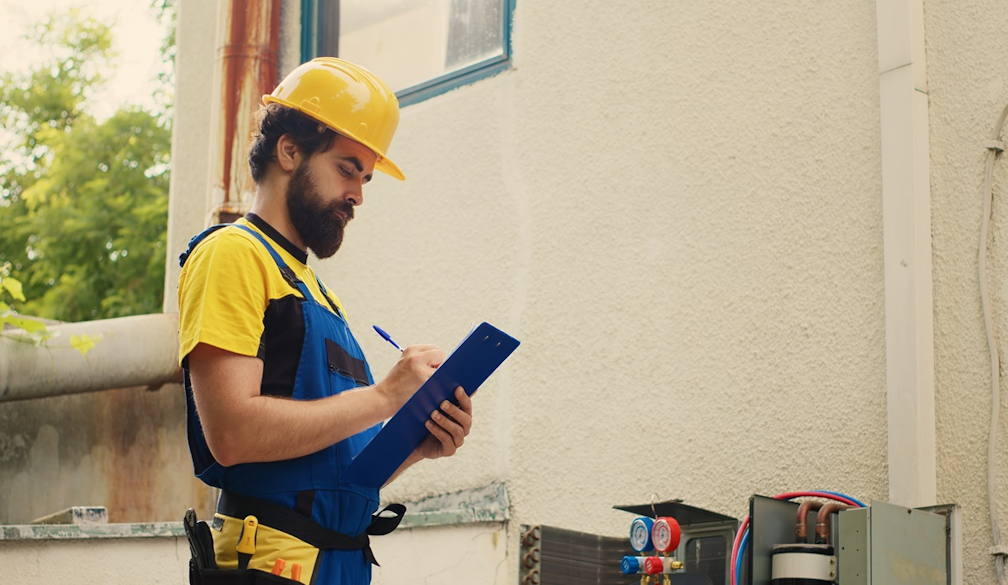
There's one thing you can’t afford to skip if you're about to buy or sell a home - a house inspection.
While it's natural to be excited about a new property, a house inspection is essential to ensure everything is in proper and satisfying condition. Understanding the nitty-gritty of the inspection process, preparing for it and knowing what common issues inspectors look for can help make the experience smoother for everyone involved.
This handy guide will provide you with all the key information about house inspections, including what happens during the inspection, how to prepare and the common problems inspectors typically check for. Let’s explore what you need to know to make the most of this important step in the home buying or selling process.
What is a House Inspection?
A house inspection is an in-depth, professional assessment of a property’s condition documented in a house inspection report. It’s typically done by a licensed inspector who evaluates the major systems and structures of the house, such as the roof, plumbing, electrical and HVAC. The goal is to uncover any hidden issues that may not be obvious to the untrained eye, issues that could cost you significant money down the line.
While a house inspection is commonly associated with buying a property, sellers can also benefit from getting an inspection before listing. It allows you to address any issues before the buyer sees them, potentially making the sale process faster and smoother.
That said, let’s now understand what exactly happens during a property inspection, and how you should prepare for it.
What to Expect During a House Inspection
When the inspection day arrives, it’s time to sit back and let the professionals do their job. Here’s what you can expect during the inspection process:
Arrival and Introduction
Expect the inspector to arrive on time and introduce themselves. They’ll likely take a few minutes to explain the inspection process, so don't hesitate to ask questions if something is unclear. The inspection itself usually takes 2-3 hours, depending on the size and complexity of the property. During this time, the inspector will check every corner of your home, both inside and out.
The Walkthrough
The bulk of the inspection consists of the inspector walking through the house and assessing its various systems and structures.
Here are some of the key areas they’ll focus on:
Roof: The inspector will check for any signs of damage, such as missing shingles, leaks, or wear and tear that could lead to more significant issues.
Foundation and Structure: They'll assess the foundation for cracks, shifts, or any signs of settling. They’ll also check the walls, floors, and ceilings for stability.
Plumbing: From checking for leaky pipes to assessing water pressure and drainage systems, the inspector will ensure your plumbing is in good condition.
Electrical Systems: Outdated wiring, overloaded circuits, or signs of electrical hazards will be flagged during this portion of the inspection.
HVAC Systems: The heating and cooling systems will be checked for efficiency and safety. An old or inefficient HVAC system can be costly to replace, so make sure this area is thoroughly inspected.
Tools and Technology
Inspectors don’t just rely on their eyes - they’ll use proven tools to detect hidden issues. For example, moisture metres help detect hidden leaks, and infrared cameras can spot heat or cold spots in walls that might indicate insulation problems or leaks. These tools are essential for uncovering problems that may not be visible at first glance.
Interaction with Homeowners or Agents
While the inspector is doing their job, you’ll have the chance to ask questions. This way, you can better understand any potential problems and their severity. You don’t need to hover, but being present and attentive can help you better grasp what’s going on.
Common Issues Inspectors Look For
Here are some of the most common issues that tend to show up during a property inspection:
Structural Problems
The foundation is one of the most critical aspects of any home. Inspectors will check for cracks, shifts, or signs of settling that could cause structural instability. If the walls are bowing or floors are uneven, that could be a red flag. Foundation issues can be costly to repair, so it’s important to know about them upfront.
Roofing and Exterior
Inspectors will assess the condition of your roof, checking for leaks, missing shingles, or damage from storms or wear and tear. They’ll also inspect the siding, windows, and other exterior elements for signs of deterioration. A damaged roof or exterior can lead to water damage and other problems inside your home.
Plumbing Issues
Plumbing issues can range from minor annoyances, like low water pressure, to serious problems like leaking pipes or corroded pipes that could burst. Inspectors will check the condition of the plumbing system, including the water heater, pipes, and faucets, looking for any signs of leaks or deterioration.
Electrical and HVAC Systems
Outdated or faulty electrical systems pose a serious risk, so your inspector will look for overloaded circuits, old wiring, or signs of damage. An inefficient HVAC system could also be a big concern, as it could result in higher energy bills or an uncomfortable living environment.
Pests and Insulation
While it might not be the first thing you think of, inspectors also look for signs of pests like termites, rodents, or other infestations. Additionally, they’ll check your insulation to ensure it’s doing its job in keeping the home energy-efficient.
Environmental Hazards
Older homes might have environmental hazards like lead paint, radon, or asbestos. These substances can be harmful to your health, so they’ll be flagged during the inspection. If your home is older, especially pre-1978, expect these potential issues to be on the inspector's radar.
How to Prepare for a House Inspection
Here’s how you can set the stage for a smooth property inspection process:
Before the Inspection
- Clean and Declutter: Make sure all key areas of the house are accessible. Inspectors need to examine the attic, basement, and crawlspaces to clear any items blocking their way. It’s also a good idea to tidy up, as it makes the inspection process easier.
- Fix Minor Issues: If there are small, inexpensive issues like a leaky faucet or a stuck door, it’s worth addressing them. Just be honest about any major problems; don’t try to hide them.
- Ensure Utilities Are On: The inspector will need to check your water, gas, and electricity, so make sure everything is functioning and accessible.
During the Inspection
While you don’t need to be glued to the inspector, it’s a good idea to be available to answer any questions. You can follow along if you wish but don’t interfere with the inspector’s work. And don’t forget to keep pets out of the way, as they might become a distraction.
After the Inspection
Once the inspection is complete, you’ll receive a detailed report outlining any issues found during the inspection. Expect this within a couple of days. From there, you’ll be able to discuss the findings with the other party and decide on any next steps.
What Happens After the Property Inspection?
Once the inspection is finished, the next step is to review the findings. The inspection report will list all the issues, organised by severity. If you’re buying a home, you might use this report to negotiate repairs or a price reduction. If you're the seller, you can decide to address the issues or leave them for the buyer to handle.
You see, a little preparation can go a long way in making the house inspection smooth and informative, helping you make the right decisions for your home’s future.


 Daily Bulletin


