

A Beginner’s Guide to Successful Plant Care Indoors
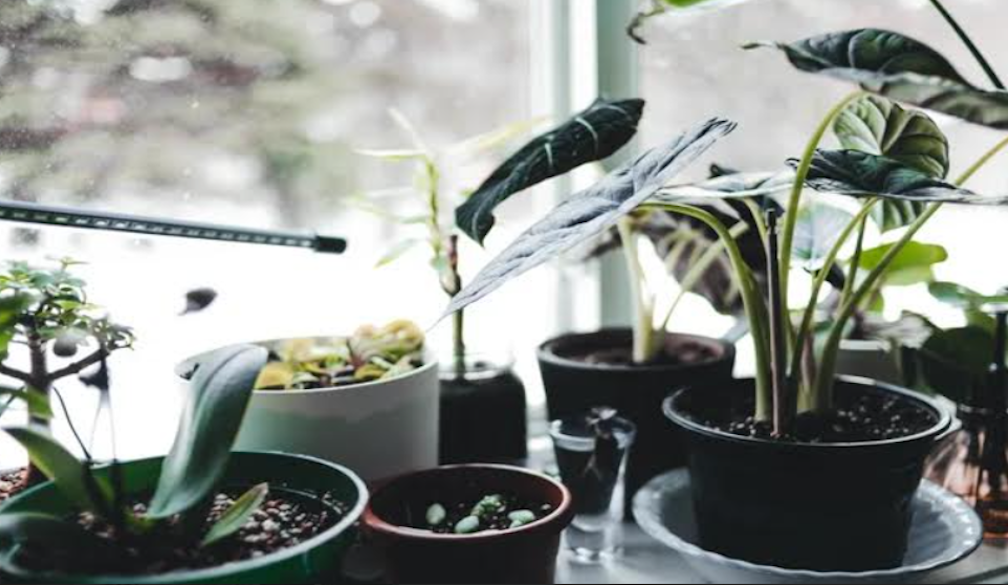
Bringing plants into your home is one of the simplest ways to create a more inviting and balanced living space. Indoor plants not only improve the atmosphere visually but also contribute to a sense of calm and wellbeing. However, for beginners, maintaining healthy plants indoors can feel overwhelming without the right approach.
The good news is that successful indoor plant care doesn’t require complex routines. With a basic understanding of a few key principles, anyone can create an environment where plants can thrive.
Understanding Light Requirements
Light is one of the most important factors in indoor plant care. Every plant has different light needs, and placing them in the right spot can make all the difference.
Some plants thrive in bright, indirect light, while others prefer lower-light conditions. Observing how sunlight moves through your space during the day can help you choose the right location. If natural light is limited, artificial grow lights can provide a reliable alternative.
Watering the Right Way
Watering is often where beginners make the most mistakes. Too much water can be just as harmful as too little, leading to root rot or dehydration.
Instead of following a strict schedule, it’s better to check the soil regularly. Most indoor plants prefer the top layer of soil to dry out slightly before being watered again. Learning to read your plant’s signals, such as drooping leaves or dry soil, will help you develop a more intuitive approach.
Choosing the Right Soil and Containers
The type of soil you use directly affects how well your plants grow. Good-quality potting mix ensures proper drainage while still retaining enough moisture for the roots.
Containers are just as important. Pots with drainage holes prevent water from accumulating at the bottom, reducing the risk of root damage. Selecting the right combination of soil and container creates a stable foundation for healthy growth.
Selecting Plants That Suit Your Lifestyle
One of the most overlooked aspects of indoor gardening is choosing plants that match your routine. Some plants require frequent attention, while others are more forgiving.
For beginners, low-maintenance plants are often the best choice. As you gain confidence, you can gradually explore more demanding varieties. Many enthusiasts who take a deeper interest in plant care also begin exploring different types of seeds and growing methods. For example, cannabis seeds are often selected for controlled indoor environments and specific growth conditions.
Creating a Stable Indoor Environment
Indoor plants thrive in consistent conditions. Sudden changes in temperature, humidity, or airflow can stress plants and slow their growth.
Try to keep your plants away from drafts, heating vents, or air conditioners. Maintaining a stable environment allows plants to adapt and grow more naturally. In some cases, adding humidity through a simple misting routine or a humidifier can make a noticeable difference.
Feeding and Supporting Growth
Plants need nutrients to grow, and over time, the soil alone may not provide everything they need. Using a balanced fertiliser can support healthy development, especially during active growth periods.
It’s important not to overfeed, as too many nutrients can cause more harm than good. A simple, consistent feeding routine is usually enough to keep plants strong and vibrant.
Recognising and Solving Common Problems
Even with the best care, plants can sometimes show signs of stress. Yellowing leaves, slow growth, or spots on foliage are common indicators that something isn’t quite right.
The key is to identify the cause early. It could be related to watering, light, or environmental conditions. By making small adjustments, most issues can be resolved before they become serious problems.
Building Confidence Over Time
Caring for indoor plants is a skill that improves with experience. The more time you spend observing and understanding your plants, the easier it becomes to meet their needs.
There’s no need to aim for perfection. Small mistakes are part of the learning process, and each plant you care for helps build your confidence and knowledge.
Final Thoughts
Indoor plant care is both rewarding and accessible, even for complete beginners. By focusing on light, watering, and a stable environment, you can create conditions where your plants can thrive.
With patience and consistency, your indoor space can become a healthy, vibrant environment filled with life and growth.


 Daily Bulletin


