

Humans are to blame for the rise in dangerous viral infections
- Written by: Justine R. Smith, Professor of Eye & Vision Health, Flinders University
Today, we hear about dangerous viral infections around the world on a regular basis. Social media and internet access may be an obvious explanation for their seeming increase.
But it doesn’t just seem this way. The number of viruses and the infections they cause are truly increasing. Scientific advances, the way humans live today and virus biology all contribute to the rise of viruses.
Read more: Health Check: when are we most likely to catch viral diseases?
New viruses, all the time
It seems viral infections are everywhere these days. Starting from January 2018, Nigeria has been experiencing an unusually large outbreak of haemorrhagic fever caused by Lassa virus. There have been more than 400 confirmed infections and 100 deaths to date.
The southern Indian state of Kerala is battling an outbreak of the rare Nipah virus, which causes severe inflammation of the brain and claimed the lives of 14 people in May.
The Brazilian outbreak of viral yellow fever that began in late 2017 has moved into highly populated areas near São Paulo and Rio de Janeiro. One-third of the 723 people with confirmed infections have so far died from the illness.
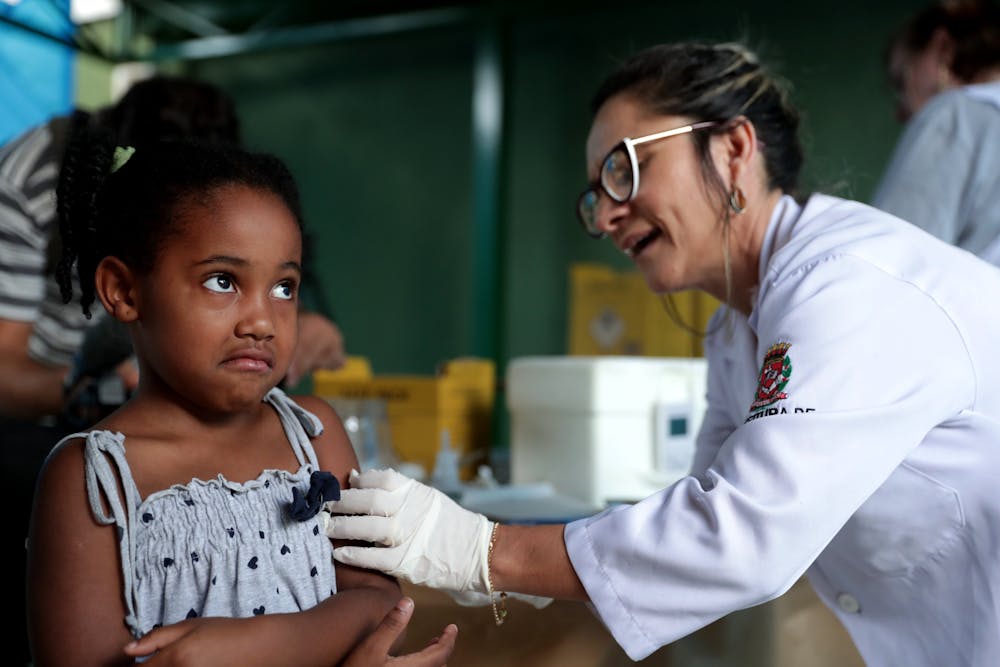 Brazil is currently in the midst of a yellow fever outbreak.
Fernando Bizerra Jr./EPA
Brazil is currently in the midst of a yellow fever outbreak.
Fernando Bizerra Jr./EPA
We’re no doubt more aware of such serious diseases after the unprecedented 2014-2016 Ebola outbreak in West Africa that claimed more than 11,000 lives. And then the 2015-2017 Zika virus outbreak that closely followed during which 3,500 babies were born with nervous system or eye damage.
Read more: Zika, dengue, yellow fever: what are flaviviruses?
The first report of human virus infection was yellow fever in the US army at the turn of the 20th century. And now, estimates suggest three to four new species of human viruses are found each year and around 250 human virus species are yet to be discovered.
Discovery of a new virus today is complex and requires many steps. Typically, it involves describing its complete genetic code with a combination of intensive molecular sequencing work in the laboratory and computational analyses using enormous reference databases.
Medical epidemiological studies (that look at the distribution of disease) and biological experiments are then needed to understand any virus as a dangerous human pathogen. It may then take some time to link a virus with a particular human disease.
 Human parechoviruses were only discovered in the 1950s.
from shutterstock.com
Human parechoviruses were only discovered in the 1950s.
from shutterstock.com
For instance, human parechoviruses (which can cause severe disease in young children) were discovered in the 1950s. But they were only identified as a cause of disease in young children in 2004. And relatively large Australian epidemics since 2013 have highlighted their link to a serious sepsis-like illness and potential for developmental complications.
How humans contribute
Modern humans contribute to the success of dangerous viruses. A virus replicates only when inside the cell of a living being, and spreads most efficiently when there is contact between two individuals.
The United Nations measures current world population growth at more than 1% per year. From the virus’ perspective, potential incubators are increasing. The world’s population is also urbanising, which means people living in closer proximity, which is conducive to spread of a virus.
Domestic and international mass transport permit viruses to move between regional populations.
Many dangerous virus infections are zoonoses, which are diseases transmitted to humans from other animals. Bats are a common culprit – one theory is that a unique low-grade immune system allows them to carry a relatively high number of viruses without developing disease. Epidemics caused by severe acute respiratory syndrome (SARS) coronavirus probably began through bat-human contact.
Read more: Why bats don't get get sick from the deadly diseases they carry
Expanding settlement towards wilderness areas provides more opportunities for viruses to meet people. Domesticated livestock may carry viruses that infect humans, and the growing human population dictates increasing and more compact livestock production.
Influenza virus infects pigs, cattle and poultry as well as humans. The H7N9 strain that has infected more than 1,500 people in China and resulted in the death of one-third since 2013, first moved to humans from diseased poultry.
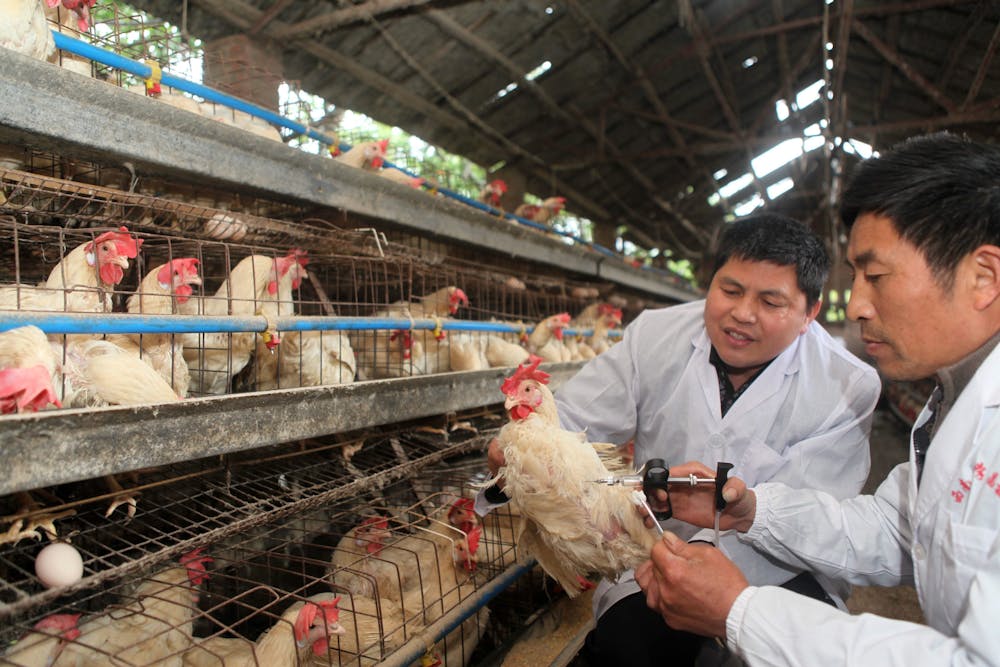 The H7N9 virus first moved to humans from diseased poultry.
Si Chuan/EPA/AAP
The H7N9 virus first moved to humans from diseased poultry.
Si Chuan/EPA/AAP
When it comes to numbers though, the most important viral transporter is the mosquito. The bite of certain Aedes mosquitoes, for instance, is the primary route for infection with dengue, Zika and chikungunya viruses. Queensland is home to these mosquitoes, so outbreaks of dengue occur annually, usually due to an infected traveller arriving from an endemic region.
Research conducted in the Amazon has linked expansion of the mosquito range in endemic areas to deforestation and low re-vegetation. Resistance to the relatively few available insecticides may also contribute to their population growth.
Why viruses are sneaky
The basic biology of viruses contributes to their capacity to cause disease. Most human viruses replicate almost instantaneously and in huge numbers. As a result, mutations arise at a high rate in the genetic code of a virus. This allows the virus to adapt quickly to an adverse environment, such as the human immune system or drugs. It may also allow a virus to jump from an animal host to humans.
Read more: New mosquito threats shift risks from our swamps to our suburbs
Some viruses establish a chronic infection, which extends the potential for transmission. After acute illness, Ebola virus hides for many months in parts of the body that generate weak inflammatory responses, such as the sexual organs, the brain and/or the eye.
And although human immunodeficiency virus (HIV) may cause an acute illness, there is usually a long delay between infection and the onset of any disease. Consequently infected people may pass on HIV for years before being aware that they carry the virus.
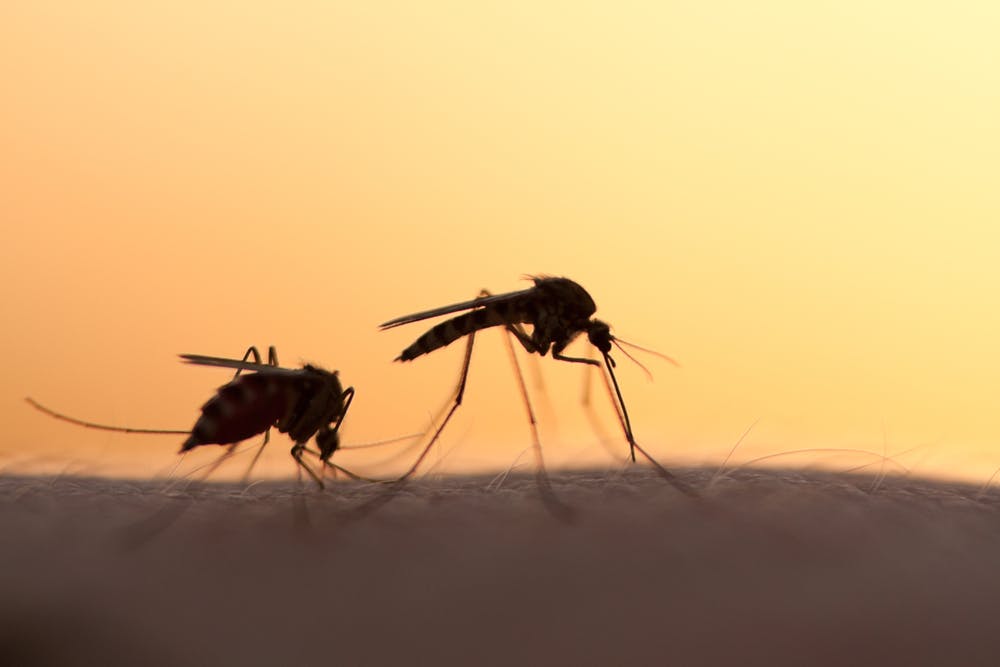 Mosquitoes are responsible for the most viral transmissions.
from shutterstock.com
Mosquitoes are responsible for the most viral transmissions.
from shutterstock.com
There are no specific drugs for most dangerous human viruses. This is in part because viruses are a fast growing and diverse group, with no common drug targets to exploit, as has been possible with antibiotics for bacteria.
But another challenge relates to the viral life cycle, which uses the infected person’s cell machinery. Drugs that target the growth of viruses therefore have effects on the person’s cell, which may result in drug side effects.
Read more: HIV latency: a high-stakes game of hide and seek
Also, the capacity of a virus to adapt implies the potential to develop resistance to a drug. Drug treatment for HIV infection involves a combination of drugs with different actions to address this problem.
Despite the many challenges associated with dangerous viruses, research continues to yield even more innovative solutions. The World Mosquito Program, run out of Monash University, is one example. This program is based on the discovery that a safe and natural bacteria, Wolbachia, stops viral growth in the mosquito. Insects in regions endemic with mosquito-borne diseases are being infected with Wolbachia to break the transmission cycle.
Ultimately, the cunning strategies used by dangerous viruses are no match for the wide breadth of human ingenuity.
Authors: Justine R. Smith, Professor of Eye & Vision Health, Flinders University
Read more http://theconversation.com/humans-are-to-blame-for-the-rise-in-dangerous-viral-infections-94747


 Daily Bulletin


