

How to care for and recover personal items after bushfire
- Written by: Vanessa Kowalski, Painting Conservator, Grimwade Conservation Services, University of Melbourne
The devastation wrought by the Australian bushfires has been immense and, as the fires continue to burn, the final loss won’t be known for many months. While the impact on the environment, human and animal life is overwhelming, for many individuals the loss of personal items such as photographs, documents, artwork and personal treasures is significant.
Heirlooms and artworks are often cherished for the people, events and experiences they represent rather than their monetary value or cultural importance. They can be integral to understanding our personal history, culture and identity.
While damage to them can be heartbreaking, even a badly damaged family treasure may hold immeasurable personal significance.
For those threatened by bushfire, planning for the preservation of your treasured items can start now. Planning resources are available online. For those who have been affected by fire damage, you may still be able to salvage items.
There are three main factors to consider when thinking about the impact of bushfires on your personal treasures – smoke, heat, and water.
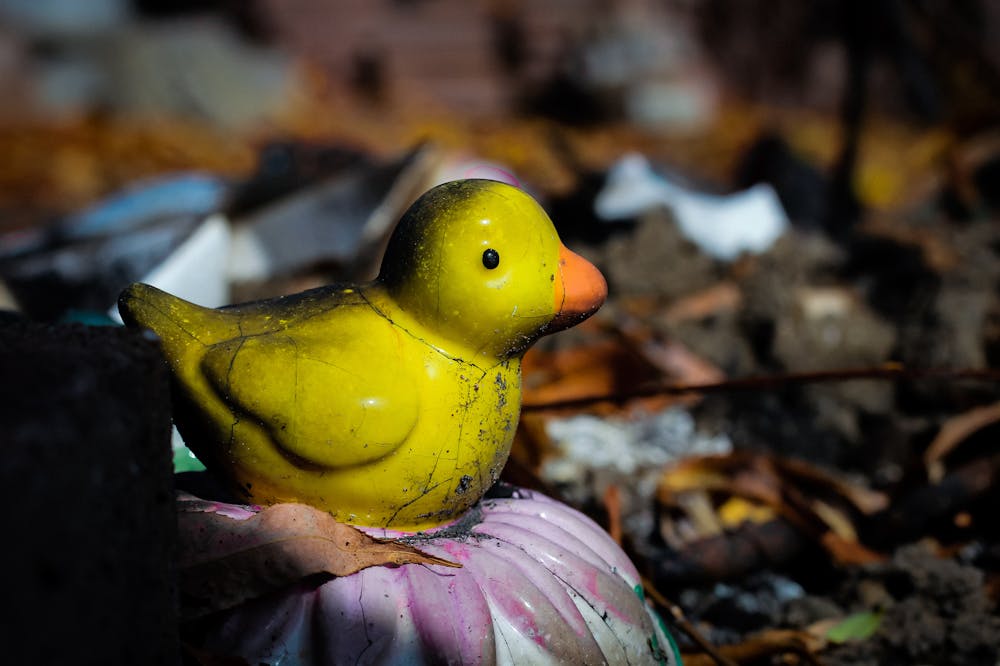 The most obvious damage from smoke is soiling.
Shutterstock
The most obvious damage from smoke is soiling.
Shutterstock
The most obvious damage from smoke is soiling. Soot, ash and other particulate matter are usually dark and greasy. When deposited on the surface of an object, colour and detail are obscured. Damage from high heat exposure can result in blistering, melting, warping, charring and partial or complete loss.
If water has been used to put out the fire, water related damage can be an issue. Water can cause shrinkage, distortion, discolouration, mould and partial or complete loss of original material.
The possible damage to your items will depend on the material types. Here are some tips for handling them.
Paintings
Paintings can be affected by all three factors.
• If an artwork is framed, it is recommended that you leave the frame in place. Exposure to high heat can soften the paint layer, which may cause it to stick to the frame. A specialist should remove the work from the frame.
• The particulate nature of smoke means that it can cause abrasion as the soot is wiped away. Get advice before undertaking any cleaning. Do not use water.
• Assess the surface for loose material (lifting paint, blistering). Take care when handling to ensure no loss of fragile material. Retain any loose elements in a Ziplock bag. These can be reattached later.
Paper documents, prints and photographs
Though potentially affected by all three factors, water damage can be the most severe for these items, with the risk of mould.
• Allow wet items to slowly air dry, indoors if possible. Increase indoor airflow with fans, open windows, air conditioners, and dehumidifiers. Do not use hair dryers, ovens, irons.
• Photo albums can stick together. Do not try to open them. Ask a conservator for advice.
• Dry paper documents and photos can be cleaned of soot with a vacuum and dry sponge.
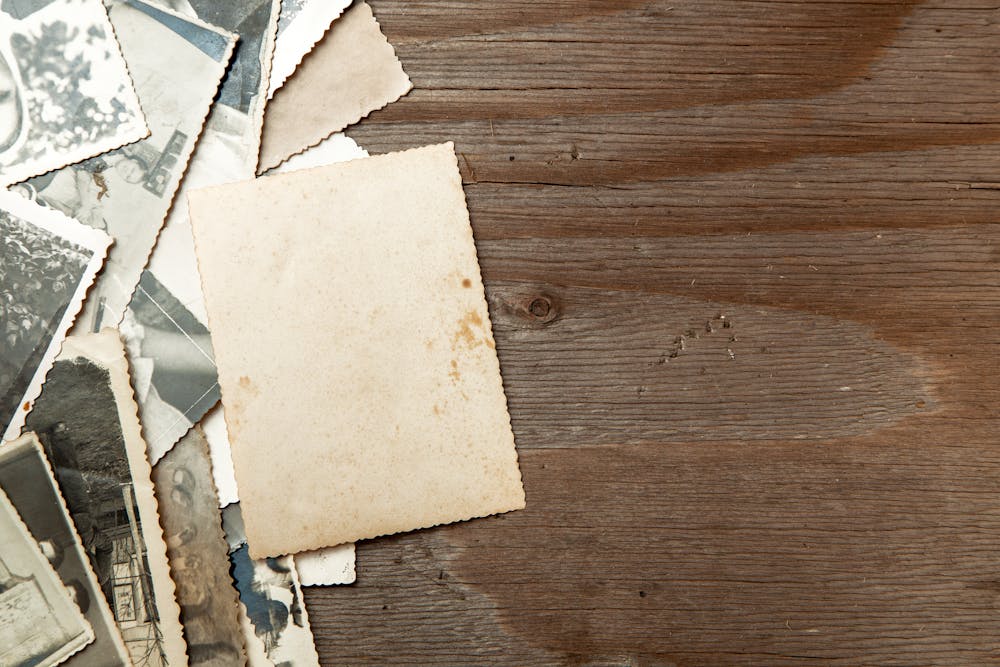 Dry photos can be cleaned of soot with a vacuum and dry sponge.
shutterstock
Dry photos can be cleaned of soot with a vacuum and dry sponge.
shutterstock
Textiles (i.e. sporting memorabilia)
Textiles can be affected by all three factors.
• Handle with care, as they may be fragile.
• Low powered vacuum removal of soot may be possible if fabric is not weak (shedding).
Glass, metal and ceramic objects
These items can be affected by high temperatures and smoke. Heat can distort shape (melting) or alter surface finishes (i.e. glaze on pottery). Such damage is usually irreversible. Smoke damage can leave a darkened layer of soot on the surface.
• Care is need when removing soot to ensure abrasion of the surface doesn’t occur.
• Heat can make these objects brittle. Care is needed when handling.
• Use gloves when handling. Skin oils can damage the surface.
What else can you do
You may not be able to save everything, so focus on prioritising what is most important to you. Personal safety is the highest priority when entering damaged buildings. Wear protective clothing, footwear, goggles, gloves and masks to protect from hazardous material and possible mould spores.
Items may be more fragile than they look, so consider using something rigid to support them when lifting and transporting such as a piece of tray, pieces of cardboard, box, a plastic container or lid.
Retain any items that are recognisable, it may be possible to restore them.
The national conservation body, the Australian Institute for the Conservation of Cultural Materials, provides a number of useful fire recovery resources.
Details for accredited conservators can also be found through the AICCM website. A conservator will be able to provide advice on how to best approach the recovery and ongoing preservation of your heirlooms and artworks.
Authors: Vanessa Kowalski, Painting Conservator, Grimwade Conservation Services, University of Melbourne
Read more http://theconversation.com/how-to-care-for-and-recover-personal-items-after-bushfire-129356


 Daily Bulletin


