

Designing Eco-Friendly Custom Water Bottles for Your Next Event
- Written by: Daily Bulletin
The Evolution of Sustainable Event Merchandise
Event planning has undergone a massive transformation over the last decade. Gone are the days when organizers could hand out cheap, single use plastic items without facing scrutiny from attendees. Today, the modern professional expects a high level of environmental consciousness from the brands they interact with. This shift is particularly evident in the world of hydration. When you choose to provide eco friendly custom water bottles for your next event, you are making a statement about your corporate values and your commitment to a healthier planet.
The demand for sustainability is no longer a niche preference. Statistics show that a significant majority of consumers prefer brands that demonstrate a commitment to the environment. In the context of a trade show or conference, a high quality reusable bottle serves as both a functional tool and a powerful marketing asset. It replaces the need for thousands of plastic cups and single use bottles that typically end up in landfills immediately after the closing keynote.
Material Science and Choosing the Right Substrate
Selecting the right material is the most critical decision in the design process. Each material offers different benefits in terms of durability, thermal properties, and aesthetic appeal.
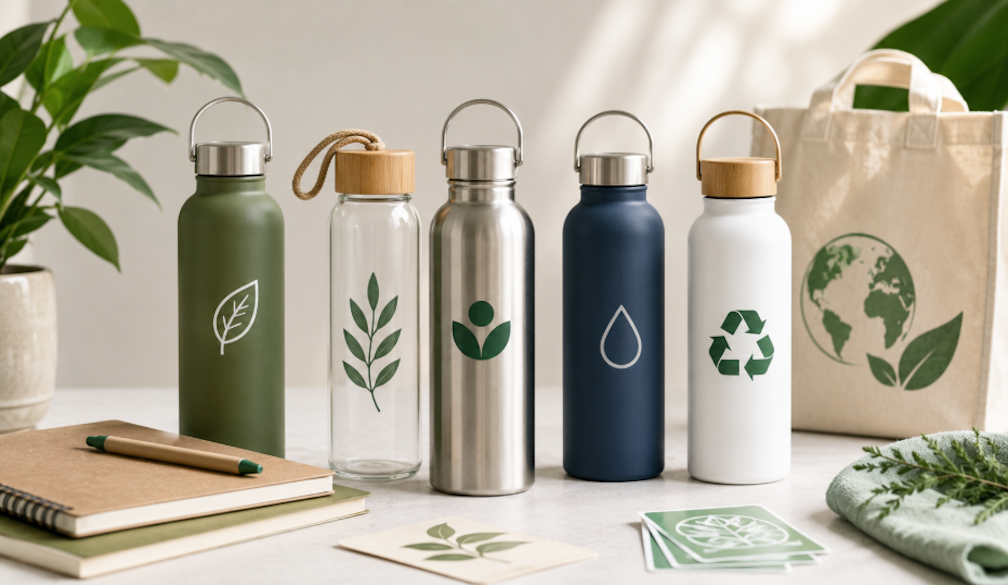
1. Stainless Steel: This is often considered the gold standard for premium event merchandise. High grade stainless steel is incredibly durable and can last for decades. Vacuum insulated versions can keep drinks cold for twenty four hours or hot for twelve, providing a luxury feel that attendees will truly value.
2. Borosilicate Glass: For events that lean toward wellness or high end lifestyle branding, glass is an excellent choice. It provides the purest taste and is naturally BPA free. When paired with a protective silicone or bamboo sleeve, it becomes a stylish and sustainable accessory.
3. Recycled Plastics: If budget is a primary concern, recycled PET or rPET offers a way to utilize existing waste. These bottles are lightweight and cost effective while still supporting a circular economy.
4. Bamboo and Bio Plastics: Emerging materials like bamboo fiber or plant based plastics offer a unique tactile experience and are often compostable or biodegradable under specific conditions.
Designing for Longevity and Brand Impact
A common mistake in promotional design is over branding. If a bottle is covered in loud, aggressive logos and clashing colors, it is less likely to be used in the recipients daily life. The goal is to create a piece of equipment that looks as good in a professional gym or a boardroom as it does at the event booth.
Consider a minimalist approach. Laser engraving on stainless steel provides a sophisticated, permanent mark that will not chip or fade over time. If you choose printing, ensure the inks are eco friendly and UV cured for maximum durability. The placement of the logo should be intentional, perhaps positioned vertically along the side or subtly on the base or the cap. This subtle branding ensures the bottle remains a staple item for the user long after the event concludes.
Navigating the Customization Process with Totally Branded
When it comes to executing a complex order for a large scale event, working with an experienced partner is essential. Totally Branded offers a comprehensive suite of options that allow event planners to bring their vision to life without compromising on quality or sustainability. Their expertise in the field ensures that your chosen design translates perfectly onto the physical product.
The process of designing eco friendly custom water bottles with Totally Branded involves a deep dive into your brand identity. You can choose from a vast palette of powder coated finishes or natural metallic textures. This partnership allows you to navigate the technical requirements of file formats and print areas, ensuring that every bottle delivered to your venue meets the highest standards of excellence.
Environmental Impact and Lifecycle Assessment
To truly claim that your event is eco friendly, you must look at the entire lifecycle of the product. This includes the energy used in manufacturing, the carbon footprint of shipping, and the eventual end of life disposal.
1. Manufacturing Energy: Stainless steel and glass require significant energy to produce initially, but their long lifespan offsets this initial cost within a few dozen uses compared to disposable alternatives.
2. Shipping Logistics: Choosing a supplier that prioritizes efficient shipping routes and uses plastic free packaging can significantly reduce the overall carbon footprint of your order.
3. Recyclability: Ensure that the bottle components can be easily separated. A bottle made of a single material is much easier to recycle than one made of bonded layers of different substances.
By choosing high quality items from Totally Branded, you are investing in products designed to stay out of the waste stream for as long as possible.
Strategic Distribution and Engagement Tactics
Simply handing out bottles at a registration desk is a missed opportunity. To maximize the impact of your eco friendly custom water bottles, integrate them into the event experience itself.
1. Hydration Stations: Instead of providing bottled water, set up high tech filtration stations throughout the venue. This encourages immediate use of the custom bottles and reinforces the sustainability message.
2. Gamification: Use QR codes printed on the bottles to link to an event app or a sustainability leaderboard. Attendees could earn points or rewards for every gallon of water saved by using their reusable bottle.
3. Personalized Gifting: For VIP guests or speakers, consider personalized engraving. Adding an individual name alongside your event logo creates a deep sense of value and ensures the bottle will never be discarded.
Innovative Features and Smart Bottle Technology
The world of hydration is becoming increasingly digital. Modern custom water bottles can now include features that enhance the user experience and provide additional value.
1. Integrated Tracking: Some high end bottles include sensors that track water intake and sync with fitness apps via Bluetooth. This is particularly effective for health and technology focused conferences.
2. UV Purification: Caps equipped with UV C light technology can purify water and clean the inside of the bottle at the touch of a button. This feature is highly sought after by travelers and outdoor enthusiasts.
3. Magnetic Mounting: Some newer designs feature magnetic surfaces that allow the bottle to stick to gym equipment or metal surfaces, solving a common pain point for active users.
Incorporating these features through a provider like Totally Branded can elevate your event merchandise from a simple giveaway to a high value tech accessory.
Sourcing Ethics and Global Supply Chain Transparency
In the modern business landscape, where a product comes from is just as important as what it is made of. When sourcing your event merchandise, it is vital to inquire about the labor practices and environmental standards of the factories involved.
Responsible sourcing involves verifying that workers are paid a fair wage and work in safe conditions. It also means ensuring that the factory manages its waste and emissions responsibly. Reputable companies like Totally Branded maintain strict oversight of their supply chains, providing peace of course and assurance that your promotional items are not contributing to unethical practices elsewhere in the world. This transparency is a key component of a truly sustainable event strategy.
Measuring the Success of Your Sustainable Initiative
To justify the investment in premium eco friendly custom water bottles, you need to measure the results. This goes beyond just counting how many bottles were distributed.
1. Waste Reduction Metrics: Calculate the number of single use plastic bottles saved based on the attendance and the duration of the event. This data is excellent for post event sustainability reports.
2. Social Media Reach: Track mentions of your brand and photos of the bottles on platforms like Instagram and LinkedIn. High quality, well designed bottles are highly photogenic and often end up in the social feeds of influential attendees.
3. Long Term Recall: Conduct follow up surveys six months after the event to see how many attendees are still using their bottles. This is the ultimate metric for brand longevity and environmental impact.
The Future of Hydration at Corporate Gatherings
As we look toward the future, the trend toward sustainability will only intensify. We are likely to see even more innovation in material science, such as bottles made from captured carbon or advanced biodegradable polymers that leave no trace. The integration of the circular economy will become standard, with brands offering take back programs for old merchandise to ensure it is recycled into new products.
By prioritizing eco friendly custom water bottles today, you are positioning your brand as a leader in this movement. Working with experts like Totally Branded allows you to stay ahead of the curve, utilizing the latest printing technologies and sustainable materials to create a lasting impression. Your event is more than just a gathering; it is an opportunity to demonstrate your vision for a better, more sustainable world, one bottle at a time.

 Daily Bulletin


