

What Lies Beneath? The Growing Importance of Regular Underwater Inspections
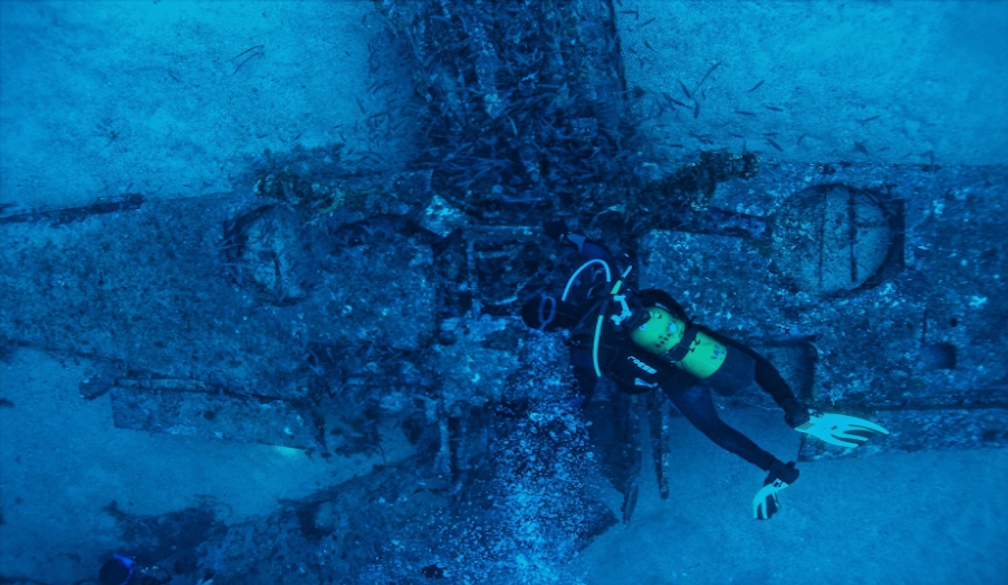 Image source
Most of the world’s critical infrastructure doesn’t sit above ground. It lies beneath the water’s surface, where visibility is low, pressure is high, and deterioration can go unnoticed for years.
From bridges and offshore oil rigs to ship hulls and subsea pipelines, these structures face constant exposure to corrosion, marine growth, and structural weaknesses. Regular underwater inspections are no longer an option. They are a necessity. The stakes are high. A minor undetected fault can escalate into a catastrophic failure, resulting in financial losses, environmental damage, or even loss of life.
With technological advancements making inspections more efficient than ever, industries can no longer afford to neglect the unseen world beneath the surface.
Why Underwater Inspections Are Essential
Anything submerged in water is under constant attack. Saltwater accelerates corrosion, marine organisms attach themselves to surfaces, and strong currents create stress that weakens materials. While these issues might start as minor inconveniences, they can quickly escalate into structural failures if left unchecked.
Underwater inspections serve as an early warning system. They identify cracks, leaks, and weaknesses before they become costly problems. This is particularly crucial for industries relying on offshore platforms, ships, dams, and submerged pipelines. These structures could suffer unnoticed degradation without regular checks, leading to operational downtime or safety hazards.
The need for inspections is not limited to ageing structures. Even newly built marine infrastructure requires monitoring to perform as expected under real-world conditions. Initial assessments after installation can reveal potential design flaws, material weaknesses, or construction errors that might otherwise remain hidden. In coastal cities like Perth, Sydney, and Brisbane, where ports and offshore industries are key economic drivers, regular underwater inspections are essential. Commercial divers in Perth, along with expert teams in other major maritime hubs, help ensure these structures remain safe, stable, and fully operational.
The Risks of Neglecting Underwater Inspections
Delaying or skipping underwater inspections is a gamble with serious consequences. Structural failures in submerged infrastructure don’t just happen overnight. They develop over time, often due to a combination of factors like environmental conditions, material fatigue, and poor maintenance.
One of the biggest risks is unexpected collapse. Bridges supported by underwater pillars, for example, rely on stable foundations. If corrosion weakens their base, the entire structure could be compromised. In the case of offshore oil rigs or wind farms, undetected damage could lead to operational failures, environmental contamination, or hazardous working conditions.
There’s also the financial impact. Reactive maintenance or fixing a problem only after it becomes critical is significantly more expensive than preventative measures. Emergency repairs often require urgent labour, costly equipment, and extended downtime. Routine inspections, on the other hand, allow for planned maintenance, reducing the risk of sudden failures and unmanageable expenses.
Advancements in Underwater Inspection Technology
Traditionally, underwater inspections relied entirely on commercial divers. While divers are still crucial in the industry, technology has expanded the possibilities for safer, more detailed, and more cost-effective assessments.
Remotely Operated Vehicles (ROVs) have become a game changer. These robotic submersibles are equipped with high-resolution cameras, sonar mapping, and real-time data transmission, allowing for detailed inspections without putting human divers at risk. ROVs can access hard-to-reach areas, withstand extreme depths, and accurately capture data.
Sonar and 3D imaging have also revolutionised the assessment of underwater structures. Instead of relying on manual inspections alone, engineers can now use detailed sonar scans to detect cracks, corrosion, or shifting sediment around submerged foundations. This level of precision makes it easier to predict potential failures before they happen.
For industries requiring constant monitoring, sensor-based inspection systems offer real-time updates on the condition of underwater infrastructure. These sensors track pressure, movement, and temperature changes, providing immediate alerts when something goes wrong. Detecting stress points early allows operators to take action before minor issues turn into disasters.
Industries That Rely on Regular Underwater Inspections
The importance of underwater inspections spans multiple sectors, each with its own unique challenges.
In the maritime industry, ship hulls need frequent assessments to ensure they remain structurally sound and free from excessive marine growth, which can increase fuel consumption. Dam inspections help maintain water reservoirs and hydropower stations, preventing leaks that could lead to devastating failures.
Offshore oil and gas operations are heavily dependent on underwater infrastructure. Pipelines transport valuable resources beneath the seabed, and any unnoticed leaks or structural weaknesses can result in environmental and financial crises. Regular inspections ensure compliance with strict safety regulations and keep operations running smoothly.
Similarly, the renewable energy sector requires constant monitoring, particularly offshore wind farms. The underwater foundations of these turbines are exposed to harsh marine conditions, making inspections essential for maintaining stability and efficiency. As investment in offshore wind energy continues to grow, so does the need for sophisticated underwater assessment techniques.
The Future of Underwater Inspections
As technology continues to evolve, the future of underwater inspections looks more efficient, accurate, and cost-effective.
Artificial intelligence is beginning to play a role, with machine learning algorithms analysing data from ROVs and sonar scans to predict when maintenance is needed. Instead of relying solely on scheduled inspections, AI-driven predictive maintenance could identify problems before they even become visible.
Drones capable of autonomous navigation and real-time data collection are also being developed for underwater use. These innovations could reduce the reliance on human divers even further, minimising risk while improving the speed and accuracy of inspections.
Climate change is leading to rising sea levels and more extreme weather conditions, which will only increase the need for regular underwater inspections. Coastal defences, flood barriers, and marine infrastructure will require constant monitoring to withstand shifting environmental pressures.
Final Thoughts
What lies beneath the surface should never be ignored. Underwater inspections are vital to maintaining safe, efficient, and long-lasting infrastructure. With advances in technology making inspections more accessible and precise, industries can no longer afford to overlook the importance of what happens below the waterline. More than preventing potential structural problems, they are about ensuring the long-term resilience of the structures that keep industries and communities running.


 Daily Bulletin


