

The Lost Art of Saying Thank You and Why It Still Matters
Somewhere between the arrival of email and the rise of the reaction emoji, the humble thank you shrank. What used to be a handwritten card, posted within the week, has been whittled down to "thx!", a thumbs-up or a heart tapped under a message. Gratitude has become fast, frictionless and, more often than not, forgettable.
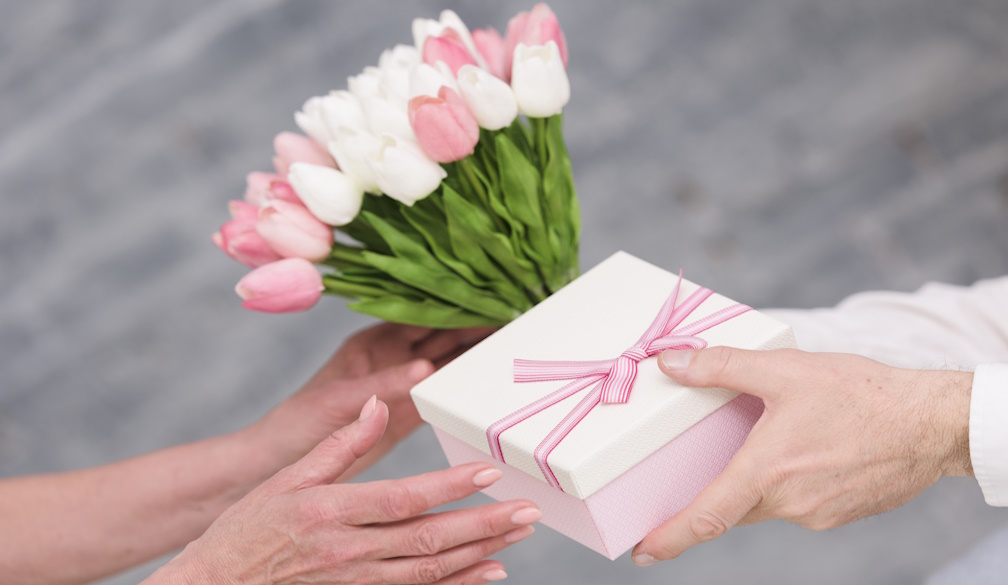
None of this means people are less grateful than they used to be. It just means the way we show it has changed, and something has been lost along the way. The thank yous people actually remember still tend to involve a little effort: a proper note, a phone call, a coffee shouted in return, or a bunch of blooms arranged through thank you flower delivery that turns up on a doorstep unannounced. Effort is the signal. It tells the other person their kindness registered.
How thank you got shorter
Etiquette guides from the mid-twentieth century treated thank-you notes as non-negotiable. Wedding gifts, dinner invitations, hospital visits and job interviews all called for a written reply, and children were often made to sit at the kitchen table on Boxing Day writing to every aunt who had sent a present.
Several things wore that habit down. Postage became a hassle as fewer people kept stamps at home. Phones made instant replies possible, so a quick text felt like enough. Busy households lost the time and the ritual. And as formality in general relaxed, handwritten notes started to seem a little stiff, even old-fashioned.
What gratitude does for the person saying it
Psychologists have spent years looking at gratitude, and the broad findings are encouraging. People who regularly notice and express appreciation tend to report feeling more positive and more connected to others. It is not a cure for anything, but it is a habit with very few downsides.
Part of the benefit comes from attention. Someone in the habit of thanking people starts noticing kindness that would otherwise slide past: the neighbour who brings the bins in, the colleague who quietly covers a shift, the friend who always remembers a hard anniversary. Those moments were always there. Gratitude simply makes them visible.
The anatomy of a thank you that lands
A memorable thank you does not need to be long. It does need to be specific. Compare two versions:
"Thanks for dinner."
"Thank you for Saturday night. It was the first evening in weeks that I properly switched off, and that lemon tart is going to haunt me."
The first is polite. The second shows the writer was paying attention and valued the experience, not just the meal. Good thank yous usually name the thing that was done, say what it meant and look forward, perhaps with a plan to catch up or return the favour.
Timing matters too. A note sent within a few days carries more warmth than one that arrives a month later, although a late thank you still beats none at all.
The people who rarely hear it
Gratitude tends to cluster around obvious occasions such as birthdays, gifts and favours. Some of the people who deserve it most are thanked far less often.
Teachers who went beyond what the job required. Nurses and carers who looked after a parent in their final months. A first boss who took a chance on an inexperienced hire. Coaches, mentors, volunteers and the parents who drove to every Saturday morning game. Many of these people never find out the difference they made. A letter years after the fact can mean more to them than almost anything else they receive.
Gratitude at work
Workplaces are often oddly stingy with thanks. Managers assume staff know they are valued, or worry that praise will look soft. Yet recognition is one of the cheapest and most effective ways to build loyalty.
A sincere comment in a team meeting, a short note after a big project or a word to a supplier who pulled out all the stops costs nothing and builds goodwill that lasts. The same rules apply as in personal life: be specific, be prompt and mean it.
Bringing the habit back
Reviving the art of thank you does not require a return to formal stationery and fountain pens. Small changes are enough. Keep a few blank cards and stamps in a drawer so writing a note does not require a special trip. Swap the emoji reply for a sentence or two that names what the other person did. Pick up the phone occasionally instead of texting. Set aside a few minutes after birthdays and holidays to reply properly.
The form matters far less than the sincerity. A thank you that shows real thought will be remembered long after the moment has passed, and in a world that moves this quickly, that is no small thing.


 Daily Bulletin


