

How Short-Term Accommodation Supports Independence for NDIS Participants
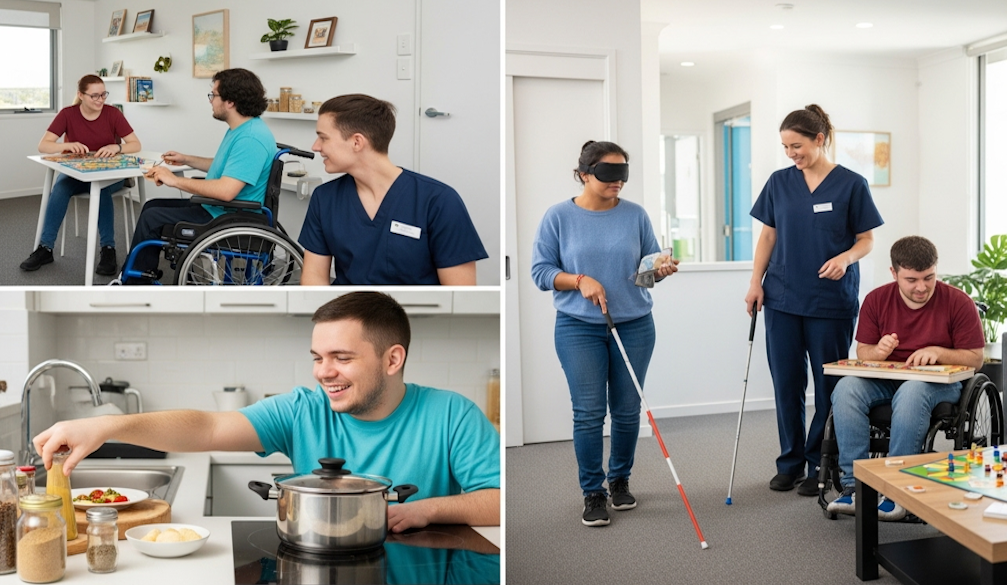
Building independence is one of the key goals of the National Disability Insurance Scheme (NDIS), offering participants the opportunity to lead fulfilling lives on their own terms. Among the many supports available, short term accommodation NDIS plays an important role in helping individuals gain confidence, develop essential life skills, and experience greater autonomy within a safe and supportive environment.
A Stepping Stone Toward Independence
Short-term accommodation, often referred to as respite, provides NDIS participants with a temporary place to stay away from their usual home. While it can offer a much-needed break for carers and families, its true value lies in how it empowers individuals. These stays give participants the chance to manage their own routines, make decisions, and build resilience in a new setting all under professional guidance.
For many people living with disability, the idea of living independently can feel daunting. Short-term stays provide a gradual introduction to self-reliance. Participants can practise cooking, cleaning, managing personal care, and navigating community spaces while knowing that support staff are nearby if needed.
Skill Building in a Supportive Setting
Each short-term accommodation arrangement is designed to meet the unique goals and capabilities of the participant. The environment offers opportunities for hands-on learning, helping people to develop everyday skills at their own pace. From preparing meals and doing laundry to budgeting and planning daily activities, these practical experiences build confidence and foster a sense of achievement.
Moreover, the supportive staff within these environments encourage growth rather than dependency. They focus on assisting participants to make choices and solve problems independently, rather than simply doing tasks for them. This approach nurtures personal development and enhances self-esteem both crucial elements in the journey toward independent living.
Social Connections and Community Engagement
Independence is not only about managing daily tasks but also about building meaningful relationships and being part of a community. Short-term accommodation provides opportunities for social interaction with peers, fostering friendships and shared experiences. Group activities, community outings, and recreational programs allow participants to connect with others and feel more confident engaging in social situations.
These connections often continue beyond the stay, strengthening social networks and reducing feelings of isolation. The experience of living with others in a supportive environment helps participants develop teamwork, communication, and interpersonal skills, essential components of leading a well-rounded life.
Respite and Renewal for Families
While short-term accommodation primarily benefits participants, it also offers invaluable respite for families and carers. Supporting a loved one with a disability can be both rewarding and demanding. Temporary accommodation provides carers with time to rest, recharge, and attend to personal or professional commitments, knowing that their loved one is well cared for.
This balance ensures that both participants and their support networks can maintain their wellbeing. In turn, this contributes to healthier relationships and a more sustainable approach to long-term care.
Preparing for Long-Term Living Options
For some participants, short-term accommodation serves as a trial run for future independent or supported living arrangements. It allows individuals to experience what it’s like to live away from home, understand their strengths, and identify areas where additional support may be needed.
Providers often use these stays to help participants set goals and plan for transitions into medium or long-term housing solutions. This continuity between short-term and ongoing support creates a smoother pathway to independence, ensuring participants feel prepared and confident when taking the next step.
Promoting Choice and Control
A central principle of the NDIS is empowering participants to make their own choices about the support they receive. Short-term accommodation reflects this value by offering flexibility in location, duration, and activities. Participants can select environments and programs that align with their personal goals and preferences, reinforcing their right to direct their own care and lifestyle.
Final Thoughts
Short-term accommodation under the NDIS is far more than temporary respite; it's a powerful tool for personal growth, empowerment, and inclusion. By providing a supportive yet independent living experience, it helps participants develop vital life skills, strengthen social connections, and prepare for greater autonomy in the future.
For many, these experiences become the foundation for lasting independence and confidence, enabling them to thrive in every aspect of life.


 Daily Bulletin


