

Traffic Light System: Coordinating Safe and Efficient Road Movement
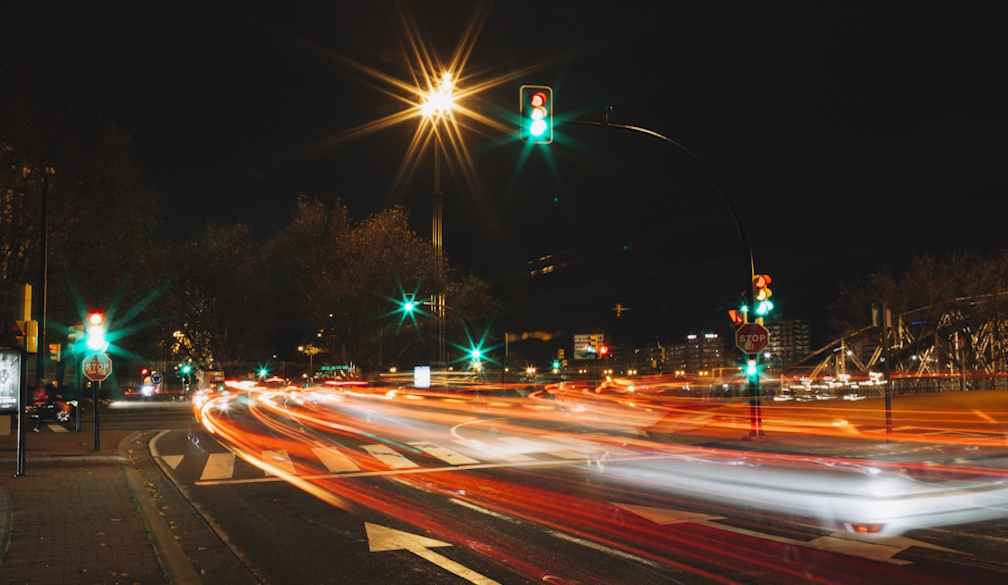
Urban mobility depends heavily on how well traffic is controlled at intersections, crossings, and busy corridors. A reliable Traffic Light System plays a central role in maintaining order on the road, reducing congestion, and improving safety for motorists, pedestrians, and cyclists. As cities grow and traffic volumes increase, well-designed traffic light systems become essential infrastructure that supports smooth and predictable movement across transport networks.
The Role of Traffic Management Systems in Modern Cities
While individual signals control specific intersections, Traffic Management Systems oversee traffic flow at a broader level. These systems integrate multiple signals, sensors, and control units to manage movement across entire road networks. By coordinating signals rather than operating them in isolation, traffic management systems improve efficiency and reduce delays during peak periods.
Modern traffic management focuses on adaptability. Systems can adjust signal timings based on real-time conditions such as congestion, accidents, or roadworks. This responsiveness allows traffic authorities to manage changing conditions effectively and maintain safer, more reliable travel routes throughout the day.
Why Traffic Light Systems Are Critical for Road Safety
Intersections are among the most common locations for traffic incidents. Traffic light systems reduce risk by clearly defining right of way and separating conflicting movements. Pedestrian crossings, turning lanes, and vehicle flows are organised in a way that minimises confusion and improves compliance.
Clear signalling also supports driver confidence. When road users understand what to expect at an intersection, they are more likely to follow rules and respond calmly. This predictability reduces sudden braking, risky manoeuvres, and collisions, contributing to safer roads for everyone.
Managing Traffic Flow and Reducing Congestion
Congestion is a major challenge in busy urban areas. Poorly timed signals can create unnecessary queues, increase travel time, and elevate stress levels for drivers. Effective traffic light systems are designed to balance flow across multiple directions, ensuring no single movement dominates at the expense of others.
By analysing traffic patterns, signal timings can be optimised to reduce bottlenecks. During peak hours, longer green phases may be allocated to high-volume routes, while quieter periods allow for more balanced distribution. This dynamic approach keeps traffic moving steadily and reduces idle time at intersections.
Supporting Pedestrians and Vulnerable Road Users
Traffic light systems are designed not only for vehicles but also for pedestrians, cyclists, and other vulnerable road users. Pedestrian crossing signals provide safe opportunities to cross busy roads, while dedicated phases for cyclists improve visibility and reduce conflict with vehicles.
Clear countdown timers and audible signals further enhance accessibility, particularly for people with visual or mobility impairments. These features help create inclusive transport environments where all road users can move safely and confidently.
Traffic Management During Roadworks and Events
Temporary changes to traffic flow are common during roadworks, construction projects, and public events. Traffic management systems allow authorities to implement temporary signal plans that accommodate altered routes and increased demand in specific areas.
By coordinating signals across affected zones, traffic disruptions can be minimised. Drivers experience smoother detours, and congestion is reduced even under challenging conditions. This flexibility is essential for maintaining safety and efficiency during non-standard operations.
Improving Environmental Outcomes
Efficient traffic control has environmental benefits as well. Reducing stop-start driving lowers fuel consumption and decreases emissions from vehicles idling at intersections. When traffic flows more smoothly, engines operate more efficiently, contributing to improved air quality in urban areas.
Traffic management systems that optimise flow also support broader sustainability goals. By reducing congestion-related emissions, cities can make meaningful progress toward cleaner and more liveable environments.
Reliability and System Maintenance
For traffic control systems to perform effectively, reliability is crucial. Equipment must withstand constant operation, weather exposure, and heavy usage. Regular maintenance and monitoring ensure signals function correctly and faults are addressed promptly.
Modern systems often include remote monitoring capabilities that alert operators to issues in real time. This proactive approach reduces downtime and ensures traffic control remains consistent, even when components require attention.
Planning for Future Transport Needs
As cities evolve, traffic systems must be designed with future demands in mind. Population growth, new developments, and changing transport habits all influence traffic patterns. Scalable traffic management systems allow for expansion and adaptation without complete redesigns.
Future-focused planning also considers integration with public transport priority systems, emergency vehicle pre-emption, and emerging mobility solutions. These capabilities ensure traffic infrastructure remains relevant as transport networks become more complex.
The Importance of Professional Design and Implementation
Effective traffic control requires careful planning, technical expertise, and compliance with safety standards. Professional design ensures systems are tailored to site-specific conditions and regulatory requirements. From intersection layout to signal timing strategies, every detail influences performance and safety.
Implementation by experienced specialists ensures systems operate as intended from the outset. Proper testing and commissioning are essential to confirm reliability and responsiveness before systems go live.
Long-Term Benefits for Communities
Well-managed traffic systems benefit entire communities. Reduced congestion improves travel times and lowers stress for commuters. Enhanced safety protects road users and reduces the social and economic costs of accidents.
Efficient traffic control also supports economic activity by improving access to commercial areas and reducing delays in freight movement. Over time, these benefits contribute to more connected, productive, and liveable cities.
Final Thoughts
Traffic light systems and broader traffic management solutions are foundational to safe and efficient transport networks. By coordinating movement, reducing congestion, and adapting to real-time conditions, they support smoother journeys and safer roads. With thoughtful design, smart technology integration, and ongoing maintenance, modern traffic control systems provide lasting value that benefits drivers, pedestrians, and communities alike.


 Daily Bulletin


