

Why Premium Coffee Matters in Modern Hospitality Venues
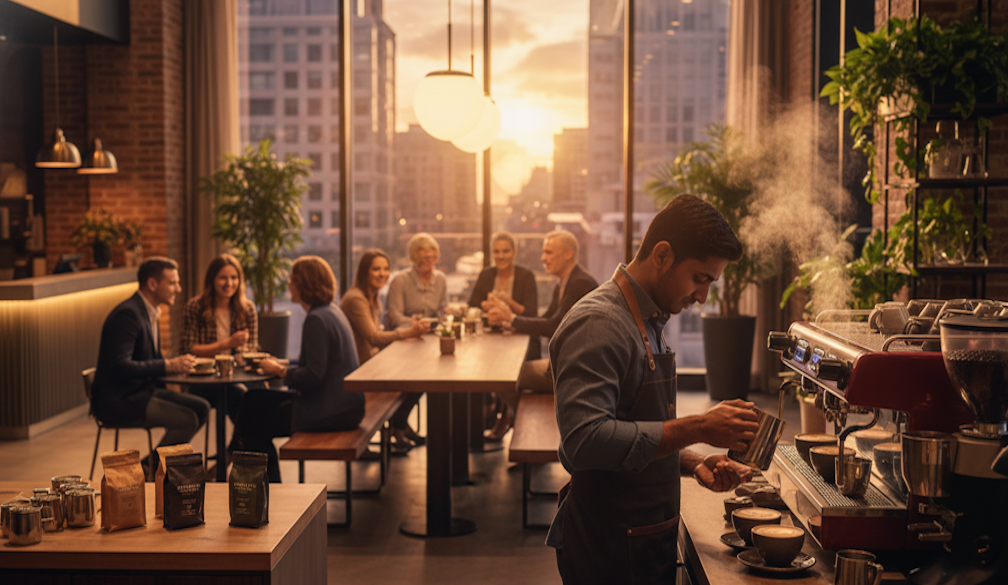
In hospitality, details shape perception long before a guest consciously evaluates them.
Lighting, acoustics, service pace, cleanliness, scent, menu design, and beverage quality all contribute to the overall impression. Coffee sits squarely within that mix. In many venues, it is no longer a secondary offering tucked behind the main service proposition. It is part of the guest experience, part of the brand signal, and often part of the reason customers return.
That matters because guest expectations have changed. People who are used to good coffee in their daily lives do not lower their standards simply because they are in a hotel lobby, restaurant, conference space, showroom, or event venue. They expect consistency, temperature control, balance, speed, and presentation. For operators looking to meet that standard, partnering with an experienced provider such as Melitta Professional Australia can help align equipment, output quality, and service support with the realities of a modern hospitality environment.
Premium coffee matters not because it is trendy, but because it affects how guests judge quality more broadly. A weak or poorly made coffee can cast doubt on the rest of the offering. A well-executed coffee service, by contrast, reinforces competence, care, and attention to detail. In competitive venues where margins are tight and guest loyalty is hard won, those signals are commercially significant.
Coffee Has Become Part of the Core Guest Experience
There was a time when many venues could treat coffee as an afterthought. That is no longer the case. Across Australia, coffee culture is deeply embedded in everyday consumer expectations, and hospitality businesses are judged against that baseline whether they intend to compete on coffee or not.
A guest checking into a hotel early in the morning may remember the quality of their first coffee more vividly than the check-in process itself. A conference attendee may associate an event with the standard of the catering and beverages. A customer waiting in a dealership or premium retail environment may draw conclusions about the business from the quality of what they are served.
In each case, coffee does more than satisfy demand. It helps establish tone. It can make a venue feel refined, contemporary, and guest-focused, or dated, careless, and transactional. Premium coffee contributes to a sense that the venue understands modern expectations and is willing to meet them.
Quality Signals Quality Elsewhere
Guests often use small cues to form broader judgments. This is especially true in hospitality, where much of the customer experience is intangible and emotional rather than purely functional.
When a venue serves poor coffee, guests may not separate that disappointment from the rest of the operation. They may assume the kitchen applies the same standards, the procurement choices follow the same logic, or the service culture tolerates the same level of compromise. The coffee becomes a proxy for care.
The reverse is also true. A well-made coffee suggests that the venue takes quality seriously even in areas that some operators still treat as peripheral. It communicates that standards are consistent, not selective. That can strengthen trust, support premium pricing, and improve how guests talk about the experience afterwards.
For venues positioning themselves as upscale, design-led, wellness-oriented, or service-driven, coffee quality should be seen as part of brand delivery rather than a standalone beverage decision.
Premium Coffee Supports Perceived Value
Hospitality businesses are constantly managing the gap between what an experience costs to deliver and what a guest believes it is worth. Premium coffee helps narrow that gap by enhancing the perceived value of the visit.
This is not just about charging more for coffee itself. In many settings, the real value lies in how a strong beverage program elevates the overall experience. A higher-end hotel breakfast feels more complete when the coffee is excellent. A waiting lounge feels more intentional. A conference break feels less functional and more considered. A restaurant experience feels more polished when the standard holds from first drink to final course.
Perceived value matters because it influences reviews, repeat visitation, upsell success, and brand reputation. Guests do not always articulate coffee as the deciding factor, but they often register it as part of whether the venue felt worth the price.
Consistency Is Often More Important Than Complexity
Premium coffee does not necessarily mean an elaborate menu or barista theatre in every setting. In many hospitality environments, what matters most is consistent delivery.
Guests want a coffee that tastes good every time, arrives at the right temperature, and reflects the standard the venue claims to uphold. That requires more than good beans. It depends on equipment reliability, drink calibration, milk texturing capability where relevant, cleaning discipline, staff usability, and technical support when problems arise.
A venue that offers six milk options and ten coffee styles but cannot produce them consistently is often worse off than one that keeps the menu tighter and executes well. Premium, in operational terms, is usually about repeatable quality rather than unnecessary complexity.
That principle is particularly important in multi-shift environments, venues with varying staff experience levels, and settings where coffee is served in bursts of high demand.
Speed and Workflow Matter in Hospitality Settings
Hospitality is not a static environment. Peaks are intense, guest patience is limited, and staff are balancing multiple service priorities at once. Any coffee solution that slows service, creates queues, or adds friction to the workflow can quickly become a liability.
Premium coffee therefore needs to be evaluated through an operational lens. Can the system handle breakfast rushes, conference intervals, pre-event traffic, or high-turnover lunch periods? Can staff operate it confidently under pressure? Is cleaning manageable during service? Does the machine suit the physical layout of the venue?
These are practical questions, but they have direct brand consequences. Guests do not distinguish between a slow machine and slow service. They simply experience delay. In that sense, an effective coffee setup protects both service efficiency and customer perception.
Coffee Can Strengthen Differentiation
Many hospitality categories are crowded. Venues often compete with similar price points, comparable fit-outs, and overlapping service claims. In those conditions, differentiation increasingly comes from execution.
Premium coffee can be one of the details that helps a venue stand apart. It gives operators another way to reinforce positioning, particularly where customer expectations are already high. In boutique hotels, premium offices with hospitality elements, luxury retail, wellness venues, and event spaces, good coffee can support a more coherent premium identity.
It can also create practical word-of-mouth advantages. Guests remember when a venue serves genuinely good coffee in a context where they did not expect it. That memory can shape recommendations and reviews in ways that are disproportionate to the actual line item cost of the beverage program.
For venues looking to create a more distinctive experience without redesigning the entire operation, coffee is often a high-leverage place to invest.
Staff Experience Is Part of the Equation
Hospitality operators understandably focus on guest outcomes, but staff experience matters too. A premium coffee solution that is frustrating to use, difficult to maintain, or unreliable during busy periods will create internal friction quickly.
When staff trust the system, service tends to improve. Training becomes easier. Beverage output becomes more consistent. Teams are less likely to improvise, cut corners, or avoid offering coffee proactively because they know it creates operational headaches.
This has an indirect customer effect. A team that can produce good coffee efficiently is more confident and more present with guests. A team struggling with equipment issues or inconsistent results will often appear distracted or underprepared, even if they are doing their best.
Choosing the right setup therefore supports service culture as much as beverage quality.
The Economics Go Beyond the Cup
It is easy to evaluate coffee purely in terms of product cost or equipment spend, but the real economics are broader. Premium coffee can support stronger guest satisfaction, repeat business, enhanced brand perception, and better alignment with premium positioning.
Poor coffee, by contrast, has a hidden cost. It can undermine expensive investments made elsewhere in design, service, food, and marketing. A venue may spend heavily on fit-out and customer acquisition, only to weaken the experience through a beverage standard that feels out of step with the rest of the offer.
Viewed in that context, premium coffee is less an indulgence and more an exercise in operational coherence. It ensures that one visible part of the guest experience does not fall below the level the business is otherwise trying to maintain.
The Right Partner Makes a Difference
Coffee quality in hospitality depends on more than choosing a machine with strong specifications. Venues need solutions that reflect their service model, guest expectations, physical constraints, staffing realities, and peak volume patterns.
That is why supplier capability matters. The right partner should help operators think beyond the machine itself and assess the broader service ecosystem, including maintenance, consumables, training, reliability, and long-term suitability. A venue might need compact efficiency, high-volume output, a polished front-of-house presentation, or a combination of all three. The solution should reflect that context, not a one-size-fits-all sales approach.
In hospitality, where consistency and timing are everything, support quality can be just as important as beverage quality.
Premium Coffee Is Now a Brand Standard
For many modern hospitality venues, premium coffee is no longer optional in any meaningful sense. It has become part of the baseline expected from businesses that position themselves as quality-led, customer-aware, and professionally run.
That does not mean every venue needs the same setup or the same level of coffee complexity. It does mean that operators should take coffee seriously enough to align it with the experience they want guests to have. When the coffee is poor, the venue feels less polished than it should. When it is strong, consistent, and well integrated into service, the whole experience feels more credible.
In practical terms, premium coffee matters because it influences perception, supports value, strengthens differentiation, and helps deliver the standard modern guests already expect. In brand terms, it says that the venue pays attention where it counts.


 Daily Bulletin


