

Australia’s Best Walking Trails and the Shoes You Need to Tackle Them
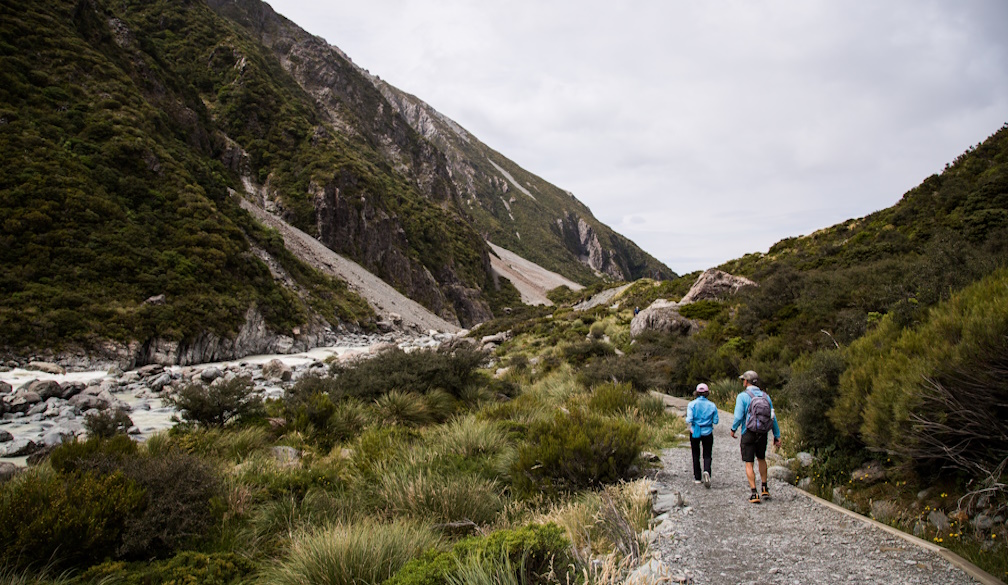
Australia is not short on spectacular walks. You can follow ocean cliffs in Victoria, cross ancient desert country in the Northern Territory, climb through rainforest pockets in Queensland, or take a shorter canyon walk in the Blue Mountains. Tourism Australia lists trails such as the Larapinta Trail, Three Capes Track, and other major routes among the country’s standout hiking experiences.
But there is one thing every walking trip has in common: your shoes will either help the day unfold beautifully or quietly ruin it. The right pair of recommended walking shoes should support your feet across distance, heat, uneven surfaces, swelling, and long hours outdoors.
What Shoes Do You Need for Australian Walking Trails?
For Aussie walking trails, grab shoes with a roomy toe box, killer grip, shock-munching cushioning, breathable uppers, heel lockdown, arch backup, and enough width for your foot's true shape.Short urban walks may only need cushioned walking sneakers. Rocky trails, coastal tracks, and multi-day routes need stronger soles, better traction, and a more secure fit.
The mistake is buying shoes for how they feel in the shop, not how they behave after three hours on the trail.
Great Ocean Walk, Victoria: Coastal Grip and Cushioning Matter
The Great Ocean Walk is one of Victoria’s most famous long-distance routes. Parks Victoria describes it as a one-way walk extending just over 110 km, starting at Apollo Bay and finishing near the Twelve Apostles, with short, day, and multi-day options available.
This trail is not only about distance. It packs in coastal paths, sandy stretches, forest trails, exposed cliff edges, and weather that flips on a dime.For this kind of route, ordinary lifestyle trainers may not be enough.
You need walking shoes with firm outsole grip, decent underfoot protection, and enough cushioning for repeated impact. Sand and uneven coastal ground can make the foot work harder, so the shoe should feel steady rather than overly soft.
Three Capes Track, Tasmania: Stability for Long Walking Days
Tasmania’s Three Capes Track is a four-day, three-night walk covering 48 km through tall eucalypt forests, coastal heath, and sea-cliff country, according to Tasmania Parks and Wildlife Service.
This is the type of trail where comfort needs to last beyond the first hour. Your shoes should hold the heel securely, support the arch, and give your toes room as your feet warm up and swell. A narrow toe box may feel manageable early in the day, then become painful once the kilometres stack up.
For multi-day walks, recommended walking shoes are not just about cushioning. They are about consistency. The shoe should feel reliable every morning, even when your feet are slightly tired from the day before.
Uluṟu Base Walk, Northern Territory: Breathability and Heat Control
The Uluṟu Base Walk is listed by Parks Australia as a 10.6 km loop that takes about 3 hours and 30 minutes. The Northern Territory also advises starting early in the morning while conditions are cooler.
For this kind of walk, heat matters. Shoes that trap sweat can create friction, rubbing, and discomfort. Breathable uppers are important, but so is support. A hot-weather shoe still needs a stable sole, proper toe space, and enough grip for compacted paths.
The mistake many walkers make is choosing the lightest shoe possible. Lightweight is useful, but flimsy is not. A good walking shoe should keep the foot cool without giving up structure.
Grand Canyon Track, Blue Mountains: Grip for Steps, Creeks, and Wet Ground
The Grand Canyon Track in Blue Mountains National Park is a 6.3 km loop, with NSW National Parks suggesting 3 to 4 hours and grading it as Grade 3. The walk includes waterfalls, creek crossings, and dramatic canyon scenery.
For this trail, grip steps up big time. Wet stone, steps, shaded paths, and lumpy ground can shred a flimsy outsole.Shoes should grip well without feeling heavy. They should also protect the forefoot from repeated impact on rocky surfaces.
If your shoes slide slightly inside or outside, the walk becomes more tiring. That is why heel lockdown and midfoot support matter just as much as the tread pattern.
Thorsborne Trail, Queensland: Protection for Remote Terrain
Queensland Parks describes the Thorsborne Trail on Hinchinbrook Island as a 32 km remote and challenging walking experience, with some rough and difficult sections.
Remote walks demand more from footwear. You need durable materials, reliable grip, toe protection, and a fit that does not create blisters early. A shoe that rubs on day one can become a real problem when you still have distance ahead.
This is where fit becomes safety, not just comfort. The shoe should not squeeze the toes, slide at the heel, or press hard against the sides of the foot.
Larapinta Trail, Northern Territory: Tough Soles for Rugged Country
The Larapinta Trail extends for 223 km from the Alice Springs Telegraph Station to Mount Sonder, according to Northern Territory Government trail management material.
You may not walk the full route, but even shorter sections can be rocky, dry, and demanding. For this type of country, the sole needs to protect against sharp ground. The upper should be breathable but not fragile. The fit should allow for swelling, especially in warmer conditions.
When choosing recommended walking shoes for rugged Australian tracks, focus on structure first. Soft shoes with weak soles can feel pleasant for ten minutes and disappointing after ten kilometres.
Why Width Is More Important Than Most Walkers Think
Many men buy walking shoes by length only. They know their size, pick a pair, and hope for the best. But width can decide whether a walking day feels enjoyable or painful.
Feet spread slightly when walking. They may also swell after heat, distance, standing, or travel. If your shoes are narrow, the toes get squeezed, the little toe rubs, and the forefoot starts to feel trapped.
A wider walking shoe gives the foot space without forcing you into a bigger length. That matters because sizing up can cause heel slipping, poor stability, and extra friction.
For Australian trails, width is especially useful because walks often combine heat, distance, uneven surfaces, and long days.
What Features Should Walking Shoes Have?
A solid walking shoe needs toe room to spare, stable cushioning, tough grip, arch backup, and a heel that locks tight. The sole should flex easy at the forefoot, not cave in the middle.
Breathability counts for hot spells. Water resistance kicks in for wet grass, rainforest, or coastal vibes.For rocky tracks, outsole protection becomes more important. For city walks and travel days, lighter cushioning may be enough.
The best choice depends on the trail. Do not use the same flat casual sneaker for every route and expect your feet to forgive you.
Match the Shoe to the Walk
For coastal trails, choose grip, cushioning, and breathable support.
For desert walks, pick breathable materials, stable soles, and enough room for swelling.
For rainforest or canyon tracks, chase traction and a secure heel fit.
For rocky terrain, choose stronger outsole protection.
For long walking holidays, choose comfort that lasts all day, not just a soft first impression.
That is what separates ordinary trainers from recommended walking shoes. The right pair works with the ground, the weather, and your foot shape.
Final Thoughts
Australia’s walking trails are beautifully varied, but they are not gentle on poor footwear. A short canyon walk, a long coastal route, a desert loop, and a remote island trail all place different demands on your feet.
The right shoes help you walk further, avoid unnecessary pressure, stay steadier on uneven ground, and enjoy the trail without constantly thinking about your feet.
Recommended walking shoes should feel roomy, supportive, breathable, stable, and ready for the places you actually plan to explore.
Because on a good walking day, your shoes should disappear into the experience. The view, the air, the track, and the next step should be what you remember.


 Daily Bulletin


