

Stainless Steel Supplier: Finding the Right Materials for Your Project
Why the Choice of Supplier Matters
The supplier you choose can affect the quality and progress of your project.
If the wrong stainless steel grade is supplied, the material may not perform as expected. The same problem can happen if the thickness, size, or finish is incorrect. Working with a stainless steel supplier in Australia can help businesses source materials that meet the required grade, specifications, and quality standards for their applications.
Poor material quality can also create problems during cutting, welding, bending, machining, or installation.
A dependable supplier helps reduce these risks by providing materials that match the agreed specifications.
Good service is also important. Delays in receiving materials can slow down construction or production work. If a supplier has the products you need available and can arrange delivery on time, the rest of the project can move more smoothly.
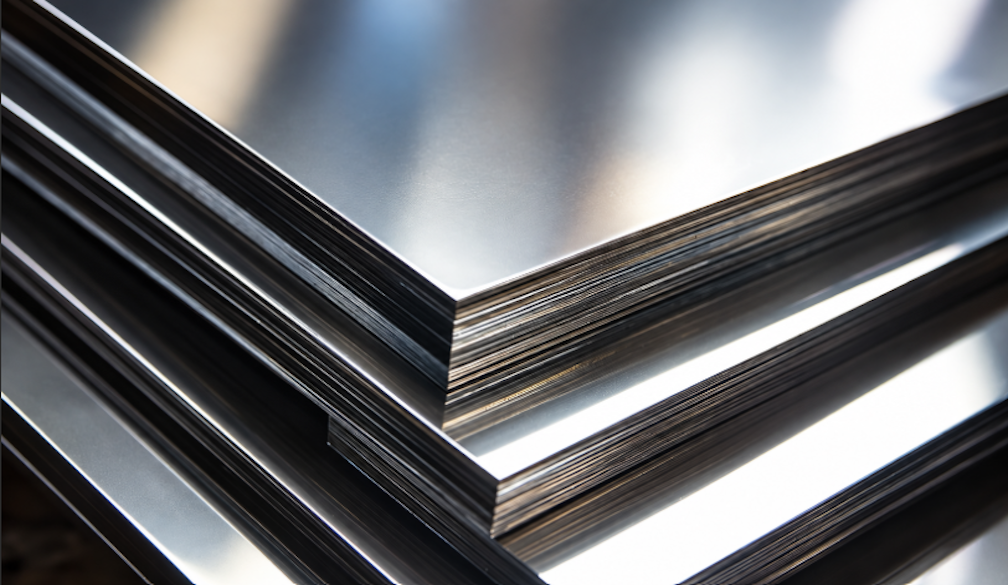
Stainless Steel Sheets
Stainless steel sheets are widely used for different projects.
They can be used for equipment, wall coverings, kitchen surfaces, machinery, furniture, fabrication work, and other applications.
Sheets are available in different thicknesses and sizes. The best option depends on what the material needs to do.
A thin sheet may be easier to cut and shape. A thicker sheet may be more suitable where greater strength is needed.
The surface finish is another consideration. If the sheet will remain visible, its appearance may be just as important as its technical properties.
A good supplier should be able to explain the available options before you place an order.
Stainless Steel Plates
Stainless steel plates are generally thicker than sheets and are often used for heavier applications.
They may be found in machinery, industrial equipment, fabrication projects, structural components, and other areas where a strong and durable material is required.
Choosing the correct plate thickness is important.
A plate that is too thin may not provide the required strength, while an unnecessarily thick plate can add weight and increase material costs.
Providing accurate measurements and explaining how the plate will be used can help the supplier recommend a suitable option.
Checking Stock Availability
Availability can be just as important as price.
If the material you need is not in stock, you may have to wait for it to arrive. This can cause delays, particularly when the stainless steel is needed for an important stage of a project.
Before ordering, ask whether the required material is currently available.
Check the grade, dimensions, thickness, finish, and quantity rather than simply asking whether the supplier has stainless steel in stock.
A supplier may have one type available while another needs to be ordered.
Stainless Steel for Interior Design
Stainless steel can also be used as part of an interior design.
It can appear in kitchen surfaces, splashbacks, furniture, counters, wall features, shelving, and decorative details.
Its simple appearance can work well with wood, glass, stone, concrete, and other materials.
The finish becomes particularly important when stainless steel is used as a visible feature.
A brushed surface, for example, can create a different look from a highly polished finish.
Choosing a finish that works with the surrounding materials can help create a more consistent interior.
Comparing Different Suppliers
It is tempting to choose a stainless steel supplier based only on the lowest price.
However, price is only one part of the decision.
You should also consider material quality, product range, stock availability, delivery, technical support, and additional services.
A slightly different price may reflect differences in grade, thickness, finish, service, or delivery arrangements.
Comparing suppliers is easier when you provide each one with the same product requirements.
This allows you to compare similar materials rather than comparing prices for products that may not actually be the same.
Proper Storage and Handling
Although stainless steel is durable, it should still be handled carefully.
Scratches and dents can affect the appearance of the material, particularly when the stainless steel has a visible decorative finish.
Materials should be stored in a clean and suitable area.
Avoid careless movement that could damage the surface. Stainless steel products should also be protected from contamination that could affect their finish or performance.
The supplier's storage and handling recommendations should be followed where applicable.
Building a Long-Term Supplier Relationship
For businesses that regularly use stainless steel, having a dependable supplier can make future purchasing easier.
Once a supplier understands your common requirements, ordering can become more straightforward.
This can be useful for manufacturers, contractors, fabricators, builders, and other businesses that regularly need stainless steel products.
A long-term relationship can also make it easier to discuss upcoming projects and material requirements.
However, quality should always remain a priority. A supplier should continue to provide products that meet the required specifications.
What Should You Ask a Stainless Steel Supplier?
Before placing an order, make sure you understand the product you are buying.
Ask about the stainless steel grade, dimensions, thickness, finish, available quantity, delivery time, and any relevant product documentation.
If you require cutting, bending, drilling, or another service, confirm whether the supplier can provide it.
It is also worth asking about packaging and delivery, particularly for large or delicate orders.
Clear communication at this stage can prevent misunderstandings later.
Final Thoughts
Finding the right stainless steel supplier is about more than finding a place to buy metal.
The supplier should be able to provide suitable products, clear specifications, reliable quality, and dependable service.
Before making a purchase, think about how the stainless steel will be used. Consider the grade, size, thickness, finish, quantity, and any preparation that may be required.
It is also worth checking stock availability and delivery times so that the materials arrive when they are needed.
A good supplier can make the process much easier by providing useful information and helping customers understand their options.
Whether you need sheets, plates, pipes, tubes, bars, fittings, or other stainless steel products, taking the time to choose the right material and supplier can help your project run more smoothly from start to finish.


 Daily Bulletin


