

How Rats and Mice Get Into Homes Through Gaps Most People Miss
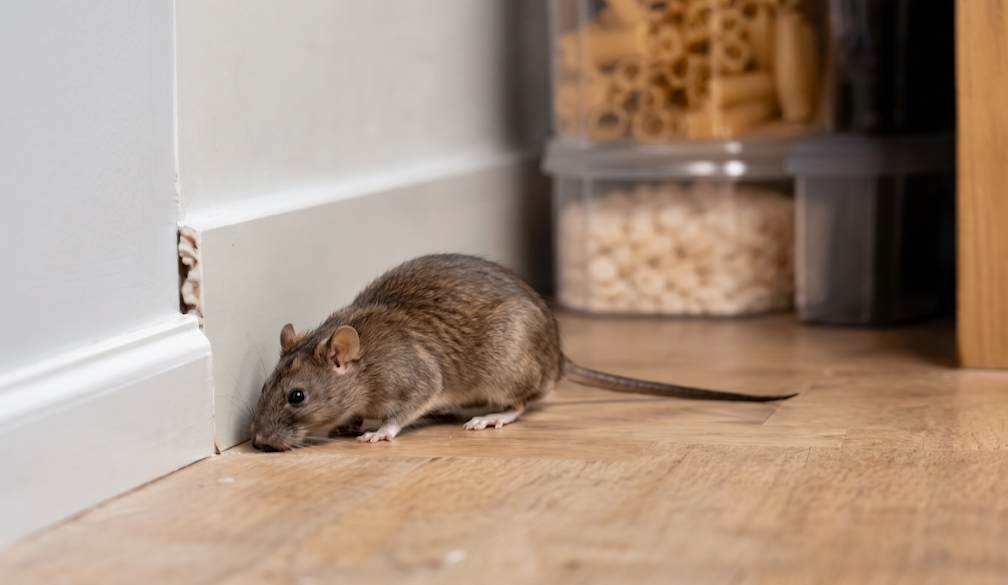
Rats and mice do not need an open door to get inside a home. They can squeeze through small openings, climb rough surfaces, move along pipes, enter roof spaces and use damaged vents or loose building materials. Many homeowners only notice the problem after hearing scratching in the ceiling or finding droppings in cupboards.
The frustrating part is that the entry point is often not obvious. A house may look secure from the outside while small gaps around rooflines, plumbing, subfloors or garage doors allow rodents to move in. Once they find warmth, food and shelter, they may keep returning.
If rodents are active and the access point is hard to locate, Rodent Control Sydney can help identify likely entry routes and suitable prevention steps.
Understanding where rodents get in is the first step in reducing repeat problems.
How Rats and Mice Enter Homes
Rodents are persistent and can exploit small weaknesses around a building.
They enter because homes provide warmth, shelter, water and food.
Why Rodents Only Need Small Openings
Mice can fit through very small gaps, and rats can squeeze through openings that may look too small at first glance. Rodents may also gnaw weak materials to make gaps larger.
This is why minor openings should not be dismissed.
A small gap can become a regular access point.
Why Entry Points Are Often Hidden From View
Rodent entry points are often behind appliances, under doors, near pipes, on rooflines or around subfloor areas.
These spots are not always checked during normal cleaning.
A complete inspection should include both inside and outside areas.
Common Rodent Entry Points Around the Home
Most rodent access points are connected to gaps, damage or poor sealing.
Some are low to the ground, while others are near the roof.
Gaps Around Plumbing Pipes and Utility Lines
Openings around pipes, cables, air conditioning lines and utility services can let rodents enter wall cavities or cupboards.
These gaps are common under sinks, behind appliances and outside near walls.
Sealing these areas with suitable materials can reduce entry.
Openings Under Garage Doors
Garage doors often have gaps at the base or sides. Rodents may enter garages to reach storage, pet food or internal wall gaps.
Once inside the garage, they may move further into the home.
Door seals should be checked regularly.
Damaged Vents, Grates and Weep Holes
Broken vents, missing mesh, damaged grates and unprotected openings can allow rodents into subfloors or wall spaces.
Ventilation should not be blocked incorrectly, but pest access should be managed.
Proper screening may be needed.
Roofline Rodent Entry Points
Rats are strong climbers and often reach roof spaces from above.
Roof entry is common when noises are heard in ceilings.
How Rats Climb to Roof Spaces
Rats may climb trees, fences, downpipes, brickwork, pergolas and utility lines. Rough surfaces can give them enough grip.
Once on the roof, they search for gaps.
This makes external access routes important.
Gaps Under Tiles, Eaves and Flashing
Broken tiles, loose flashing, open eaves, damaged vents and gaps near gutters can allow roof entry.
These areas are often hard to see from the ground.
Roofline checks should be done safely.
Overhanging Trees and Fence Access
Branches touching the roof can act as bridges. Fences and pergolas may also help rodents reach upper levels.
Trimming branches away from the roof reduces one pathway.
Garden maintenance supports rodent prevention.
Subfloor, Wall Cavity and Drain Entry Risks
Rodents can move through hidden spaces once they enter the building.
These areas allow them to travel without being seen.
Rodents in Subfloor Spaces
Subfloors can provide shelter, especially in older Sydney homes. Damaged vents, gaps near foundations and loose boards may allow entry.
Moisture, debris and stored materials can increase attraction.
Subfloors should be kept clear and ventilated where possible.
Wall Cavities as Hidden Travel Routes
Once inside wall cavities, rodents can move between rooms, floors and ceiling spaces.
This is why signs may appear in one area while noises are heard elsewhere.
Wall movement makes infestations harder to track.
Drainage and Sewer-Related Access Points
Rodents may sometimes use damaged drains, open grates or poorly sealed drainage areas. Activity near bathrooms, laundries or floor wastes should be checked carefully.
Drain-related access can be harder to identify.
Proper inspection may be needed if signs repeat.
Signs Rodents Are Using Hidden Gaps
Rodents leave clues along their travel routes.
The location of signs can help identify where they are entering.
Droppings Near Walls and Cupboards
Droppings are commonly found along walls, under sinks, behind appliances, in pantries and near stored food.
Fresh droppings suggest current activity.
Cleaning and monitoring can help confirm whether rodents are still present.
Greasy Rub Marks Along Travel Paths
Rodents often follow the same routes. Their fur can leave dark, greasy marks along walls, pipes, beams or entry points.
Rub marks may show regular movement.
They are useful clues when tracking access routes.
Scratching and Gnawing Sounds at Night
Scratching, scurrying or chewing sounds at night may indicate rodents moving through walls or ceilings.
Gnawing can damage timber, plastic, insulation and wiring.
Noises should be investigated early.
How to Seal Rodent Entry Points Properly
Sealing gaps is important, but it must be done carefully.
Poor sealing may fail, and sealing too early can create other problems.
Why Sealing Too Early Can Trap Rodents Inside
If rodents are still inside, sealing their exit may trap them in walls or roof spaces. They may gnaw new holes or die in inaccessible areas.
Activity should be assessed before closing major gaps.
A planned approach is safer.
Durable Materials for Rodent Exclusion
Rodents can chew through soft materials. Metal mesh, suitable sealants, door sweeps and vent covers may be needed depending on the gap.
Materials should match the location and surface.
Weak patching may not last.
Why Soft Fillers May Not Stop Rats or Mice
Expanding foam or soft filler alone may not stop rodents if they can chew through it. These materials may need reinforcement.
Durability matters because rodents are persistent.
Entry points should be sealed the first time properly.
Rodent Prevention for Homes, Apartments and Businesses
Prevention works best when access, food and shelter are managed together.
Different property types may have different risk points.
Reducing Food Sources and Waste
Store food in sealed containers, secure bins, clean food residue and avoid leaving pet food out overnight.
Outdoor food sources should also be managed.
Food access encourages rodents to keep exploring the property.
Clearing Outdoor Clutter Near Walls
Stacked timber, old boxes, garden waste and dense vegetation can provide shelter. Rodents prefer protected routes.
Keeping walls and fences clear reduces hiding places.
A tidy exterior makes access points easier to see.
Managing Rodent Issues in Strata Buildings
Apartments and strata buildings may have shared bin rooms, garages, service ducts and wall cavities. Rodent activity may not be limited to one unit.
Building-wide inspection may be needed for recurring issues.
Shared waste areas should be carefully managed.
Rodent Entry Point FAQs
How do rats get into roof spaces?
They climb trees, fences, walls or pipes, then enter through gaps under tiles, eaves or roof vents.
Can mice enter through small holes?
Yes. Mice can enter through very small openings around pipes, doors and walls.
What are common signs of rodent entry?
Droppings, rub marks, scratching sounds, gnawing and damaged packaging can all suggest entry.
Should I block every gap straight away?
No. If rodents are inside, sealing too soon can trap them. Entry points should be managed carefully.
Can businesses have hidden rodent entry points?
Yes. Loading docks, waste areas, storage rooms and service penetrations are common commercial risk points.
Conclusion
Rats and mice can enter through gaps many people miss, including roofline openings, pipe gaps, vents, garage doors, subfloors and wall cavities.
For Sydney homes and businesses, reducing rodent problems means finding hidden access routes, removing food sources and sealing openings properly. A careful prevention plan is more effective than reacting only after droppings or scratching noises appear.


 Daily Bulletin


