

Work Boots vs Safety Shoes: Which Footwear Is Right for Your Workplace?
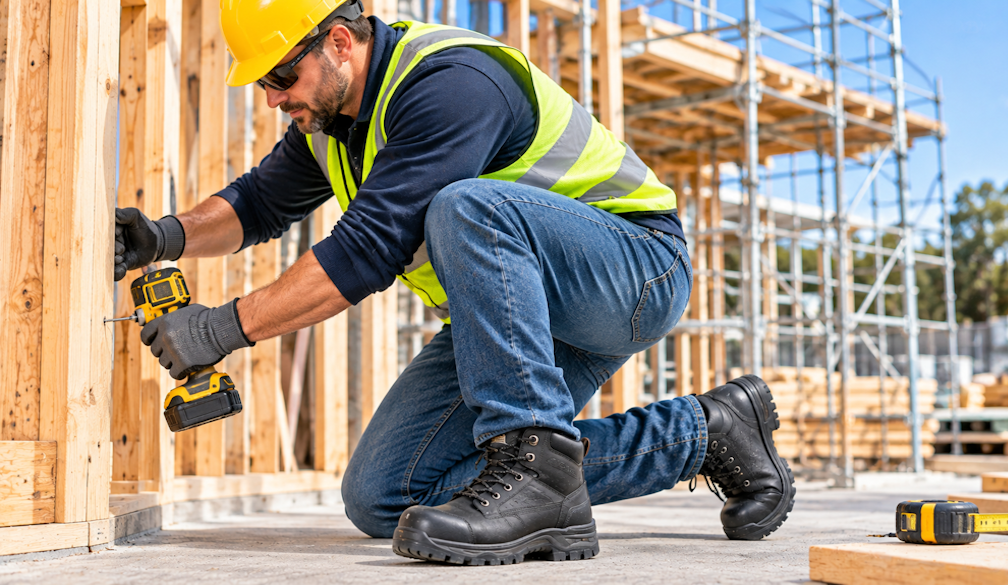
Not every job calls for a heavy pair of boots. Walk through a modern warehouse, factory floor or distribution centre in Australia and you’ll see plenty of workers in low-cut safety shoes and joggers instead. On a building site or in the bush, though, boots are still the clear favourite.
Both work boots and safety shoes can offer certified toe protection, slip resistance and all-day comfort. The difference is in how much coverage, support and weight you need. Here’s how to decide which one suits your workplace.
What’s the Difference?
Work boots rise above the ankle, usually between 120mm and 150mm or higher. They come in elastic-sided, lace-up and zip-side styles and are built for tough, outdoor conditions.
Safety shoes, including safety joggers and sneakers, have a low cut that sits below the ankle. They look and feel more like athletic shoes, but still include protective toe caps and slip-resistant outsoles.
Both can be certified safety footwear. A safety shoe with a properly rated toe cap protects your toes from impact and compression in the same way a boot does. What it doesn’t provide is coverage and support above the foot.
The Case for Work Boots
Ankle support and stability. The higher cut wraps around the ankle, helping to reduce rolls and sprains on uneven ground, slopes, trenches and scaffolding.
More protection. Boots shield your ankles from knocks, debris, sparks, splashes and sharp edges. They also keep out dirt, gravel, mud and concrete better than a low-cut shoe.
Weather resistance. Many work boots use thick leather uppers and water-resistant or waterproof finishes, making them better suited to rain, wet grass and muddy sites.
Durability. Heavy-duty leather and tough outsoles mean boots generally hold up longer in harsh outdoor conditions.
The trade-offs: Boots are heavier and can feel hot in Australian summers, especially indoors. They also take longer to break in and can feel restrictive for jobs involving a lot of walking on flat surfaces.
The Case for Safety Shoes
Lightweight comfort. The biggest advantage of safety shoes is weight. Many models use mesh uppers, EVA or foam midsoles and composite toe caps, making them some of the most comfortable lightweight safety footwear available. Over a shift involving thousands of steps, that difference can noticeably reduce foot and leg fatigue.
Breathability. Mesh and nylon uppers allow far more airflow than leather boots, which helps keep feet cooler and drier in warm indoor environments.
Freedom of movement. Without a high collar, safety shoes allow full ankle flexibility. That makes them well suited to jobs involving lots of walking, bending, pivoting and climbing stairs.
Ready to wear. Most safety joggers need little or no breaking in, so they’re comfortable from day one.
Specialist options. Many safety shoes include anti-static (ESD) soles for electronics and electrical environments, or metal-free composite caps for sites with metal detectors.
The trade-offs: Safety shoes offer no ankle support or protection above the foot, and mesh uppers aren’t water-resistant. They’re also less durable on rough outdoor terrain and can let in debris more easily.
Which Footwear Suits Your Workplace?
Work boots are best for:
- Construction, civil and demolition sites
- Landscaping, farming and outdoor maintenance
- Mining, quarrying and heavy industry
- Wet, muddy or uneven ground
- Jobs involving sparks, hot materials or heavy debris
Safety shoes are best for:
- Warehousing, logistics and distribution centres
- Manufacturing and assembly lines
- Retail stores, trade counters and stockrooms
- Light maintenance, cleaning and facilities work
- Workers who walk long distances on flat, indoor surfaces
Some workers keep both: boots for outdoor jobs and lightweight safety footwear for indoor days.
Check Your Workplace Requirements
Before buying, check your employer’s or site’s footwear requirements. Some construction and mining sites require boots that cover the ankle, while many warehouses and factories accept safety shoes. If your work involves electrical hazards, heat or chemicals, look for footwear specifically rated for those conditions.
Features to Look For in Either Style
Whether you choose boots or shoes, look for:
- Toe cap: steel for toughness and value, or composite for lighter, metal-free protection.
- Slip-resistant outsole: essential for wet, oily or dusty floors.
- Cushioning: shock-absorbing midsoles and removable footbeds help on hard concrete floors.
- Breathable lining: moisture-wicking linings keep feet drier over long shifts.
- Anti-static properties: important in electronics, fuel and some manufacturing environments.
Getting the Right Fit
Fit new footwear in the afternoon, once your feet have swelled from the day’s work, and bring a pair of your normal work socks. Your toes shouldn’t touch the toe cap, and your heel should feel secure without slipping. Removable insoles are a bonus if you use orthotics.
Where to Find Safety Shoes and Boots
Comparing both styles in person makes the choice much easier. Brookvale Workwear, based on Pittwater Road in Brookvale on Sydney’s Northern Beaches, stocks a range of safety shoes and safety joggers from brands such as Steel Blue, Blundstone, FXD, M8 and Munka, alongside a full range of work boots. Their range includes composite toe, anti-static and lightweight safety footwear options, with fast dispatch, easy exchanges and delivery Australia-wide.
The Bottom Line
Work boots give you maximum ankle support, protection and weather resistance for tough outdoor jobs. Safety shoes offer lightweight comfort, breathability and freedom of movement for indoor and flat-surface work. Match your footwear to your environment, check your site’s requirements and prioritise a good fit, and you’ll stay safe and comfortable every shift.


 Daily Bulletin


