

Buying an At-Home Blood Pressure Monitor: 6 Things to Know
- Written by: Jacqui Coombe
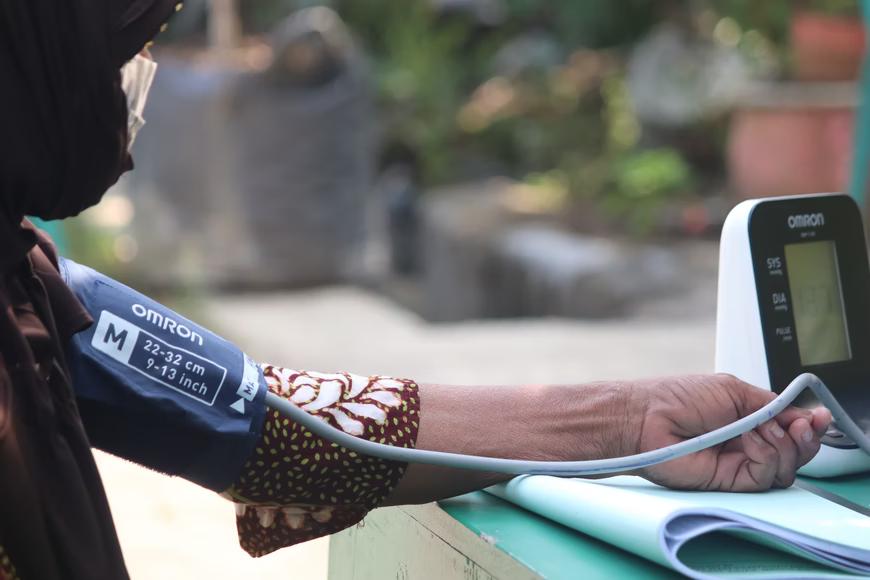
High blood pressure (hypertension) is relatively common among adults. It’s linked to a range of conditions including stroke and heart disease. Diagnosis and regular monitoring can ensure patients receive the right medication and ensure the medication is still effective. Perhaps your doctor is recommending you track your blood pressure at home, to assess whether you have hypertension or to better monitor your health for potential complications if you’ve already been diagnosed. Alternatively, maybe you’re wanting to monitor your blood pressure yourself. Whatever the reason, you’ll need to know what to look for in a machine and how to use it properly. This guide covers the essential facts to know when tracking your blood pressure at home.
1. Choosing the right at-home monitor
Blood pressure monitors come with an inflatable cuff and gauge for the reading. You’ll need to factor in a few considerations when choosing the right at-home monitor.
-
Cuff size - The size of your blood-pressure monitor cuff needs to fit the circumference of your arm just above your elbow, for accurate readings. For adults, a small arm circumference might be around 22 to 26 centimeters, whilst an average circumference might measure 27 to 34 centimeters. Large circumferences for adults might range between 35 to 44 centimeters.
-
Avoid wrist cuffs - Blood pressure readings taken at the wrist tend to be less accurate. As such, you might want to opt for a model with an arm cuff rather than wrist cuff.
-
Features - Consider whether you really need a model with automatic reading storage and Bluetooth. A basic model could do the job without you overpaying for features you might not use.
2. How to prepare to take a reading
Use the following tips to prepare before taking a reading. They could help you obtain more accurate readings at home.
-
Device accuracy - To start, always get your doctor to check your device for accuracy against his/her machine.
-
Readings - Take your morning reading prior to breakfast, exercising, and before taking any medications. Caffeine, tobacco, and alcohol are to be avoided within 30 minutes before readings. Go to the toilet before you take a reading. Take two or three readings around two minutes apart for your morning and evening readings, preferably at the same time each day. If one reading is much higher, you can disregard it and take another reading. Keep in mind readings tend to be slightly higher in the morning.
-
Taking the reading - Sit quietly, relax and stay calm, and avoid stressful thoughts before and during the reading. Equally importantly, sit for five minutes with your legs and ankles uncrossed, with your feet flat on the floor. Lean your back against the chair or a wall for support. Stay in the same resting position when you take your readings. Avoid talking, chewing, or moving in any way during your reading.
-
Arm - One arm will likely give you slightly higher readings. Start by doing readings with both arms and then always use the same arm that gives you a slightly higher reading. Ensure it’s level with your heart and rested on a surface like the arm of a chair. Your arm should be relaxed and not tense. The cuff needs to go on the bare skin of your arm, around two centimetres above your elbow, and not over your clothing.
-
Clothing - Make sure your sleeves aren’t tight over your arms. Wear loose-fitting clothes or remove clothing if necessary.
3. Understanding the numbers
In general, anything below 120/80 mmHG is considered normal and readings above 140/90 are considered to be high. For general guidance, you can use the following figures.
-
Less than 115/75 or 120/80 mmHG - This is within the normal, acceptable range for readings.
-
115/75 - 134/84 mmHg - Readings within this range are on the higher side of normal.
-
135/85 - 164/104 mmHg or above 140/90 - Figures within this range are considered high, so recheck within five minutes. Consult your doctor if it’s persistent.
-
Over 165/105 mmHg - Readings within this range are considered very high. Recheck within five minutes and consult a doctor right away.
4. How often to take readings
So how often should you take readings? This can depend on your blood pressure and what your doctor advises. Always follow your doctor’s advice on the frequency of your readings. You might start off tracking your blood pressure more often before spreading it out to regular intervals with more time in between. Some people might be recommended by their doctor to start with every day for a week, with one reading in the morning and one at night. After this initial week, you might take readings every one or two weeks. If your blood pressure is stable, you might then take readings every three to six months.
5. Tracking your readings
Recording your readings ensures you can give your doctor accurate information about your blood-pressure readings when you go in for an appointment. Whether you use an app, a computer spreadsheet, or pen and notepad to track your readings is up to you. Note the time and date of the reading. Include other relevant information like medications, changes in treatment, and any symptoms you had at the time.
6. When to see your doctor
Small changes and one-off unusual readings are usually nothing to worry about. If you get one, wait for five minutes before taking another reading. If the second reading is still high, wait another day. If you have high readings for around two or three weeks, it might be time to consult your doctor. Talk to your doctor about what kind of readings should warrant a medical consultation.
Conclusion
While monitoring your blood pressure at home can’t completely replace doctor’s appointments, it can be an important part of monitoring and treatment for people with hypertension or at risk of it. You’ll save time and money by not having to visit your doctor for frequent readings. Regular monitoring at home can also ensure your medication and dosage are still appropriate. It can empower you to be more in charge of your health. In the longer term, tracking your blood pressure at home could minimise the risk of related complications and support good health and quality of life.

Author’s Bio: Jacqui Coombe has been a prolific reader since childhood, and now channels her love of the written word into writing content on a range of topics from business, marketing and finance to travel and lifestyle.
LinkedIn: https://www.linkedin.com/in/jacqueline-coombe/


 Daily Bulletin


