

Community Fitness is the New Social Network
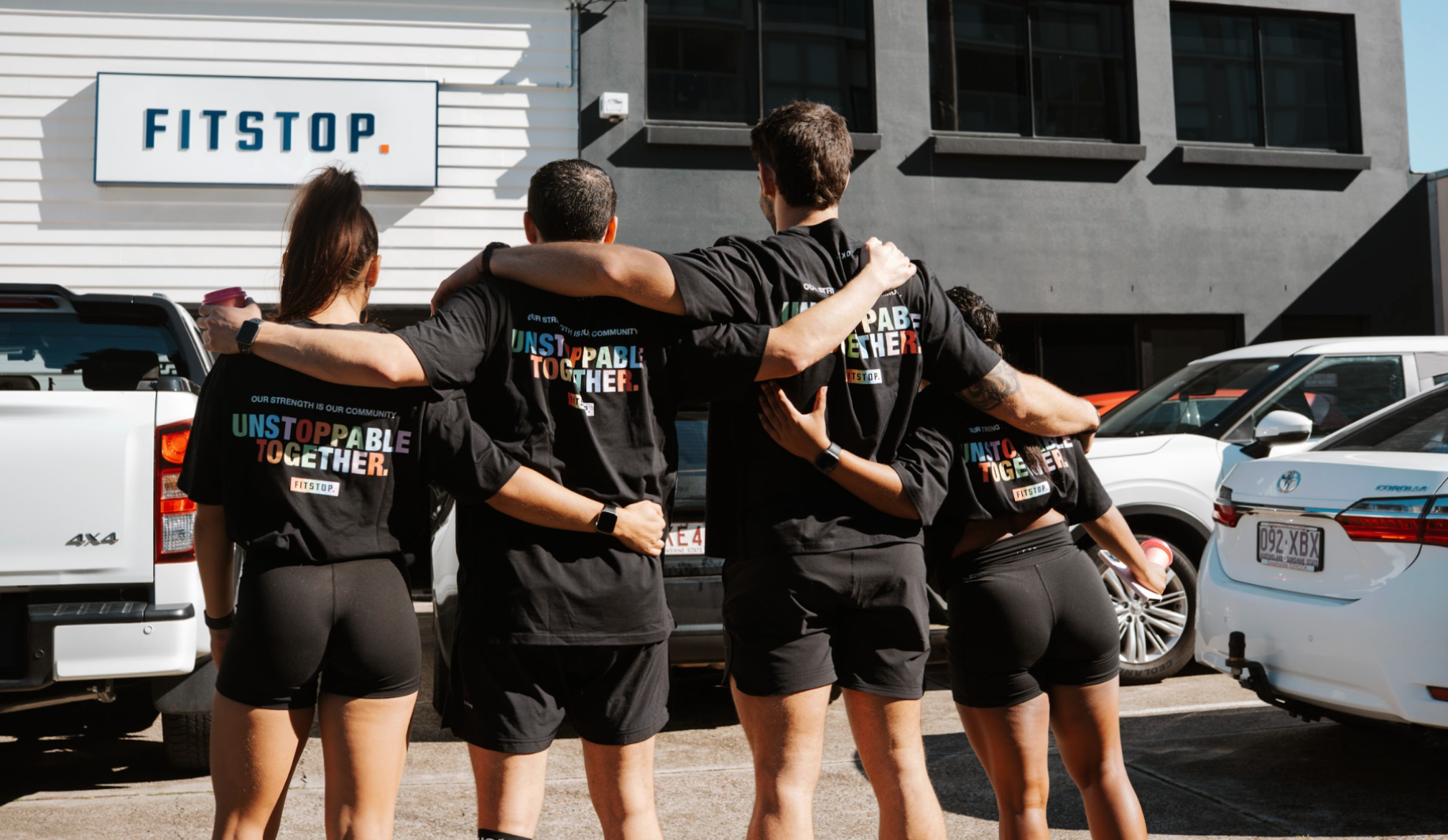
For years, social connection lived online. Likes, comments and group chats became the default way people stayed connected. But increasingly, Australians are looking for something more tangible, trading digital interactions for real-world communities that offer connection, accountability and shared purpose. One place this shift is becoming especially visible is inside group fitness spaces.
Across the country, structured training communities are evolving into modern social hubs, where workouts are no longer just about physical outcomes but about belonging. As conversations around loneliness, mental wellbeing and sustainable health habits continue to grow, fitness is emerging as a powerful gateway to connection.
Unlike traditional gyms, where individuals often train alone, community-led training environments create shared experiences. Members arrive knowing they will see familiar faces, follow structured programming and work toward common goals alongside others. The result is an environment where consistency is driven not only by personal motivation but by social accountability.
Fitstop, a performance-based functional fitness network, has seen this shift firsthand. Rather than positioning exercise purely as a solo pursuit, the brand’s model focuses on structured sessions designed to foster connection as much as physical progress. Group-based training formats encourage members to support one another, celebrate milestones together and build relationships that extend beyond the gym floor.
This sense of belonging reflects a broader cultural movement toward “third spaces” - environments outside of home and work where people can connect organically. As hybrid work arrangements and increased screen time reshape daily routines, many Australians are actively seeking spaces that offer both movement and meaningful interaction.
Research increasingly supports the role of social connection in long-term fitness adherence. When individuals feel part of a community, they are more likely to maintain consistent habits, push beyond comfort zones and find enjoyment in the process rather than focusing solely on outcomes. For many, the social aspect becomes the reason they return.
Functional training environments are particularly well suited to this shift. By combining structured programming with scalable exercises, sessions can accommodate varying fitness levels while still allowing participants to train together. This inclusivity removes the intimidation often associated with traditional gym settings and makes entry points more accessible.
Fitstop’s continued investment in coaching development and structured training frameworks reflects this evolution, recognising that modern fitness is as much about human connection as physical transformation. Trainers increasingly act not only as instructors but as facilitators of community, creating spaces where members feel supported, seen and motivated.


 Daily Bulletin


