

Why The Right Sleep Apnea Mask Can Transform Your Sleep Quality
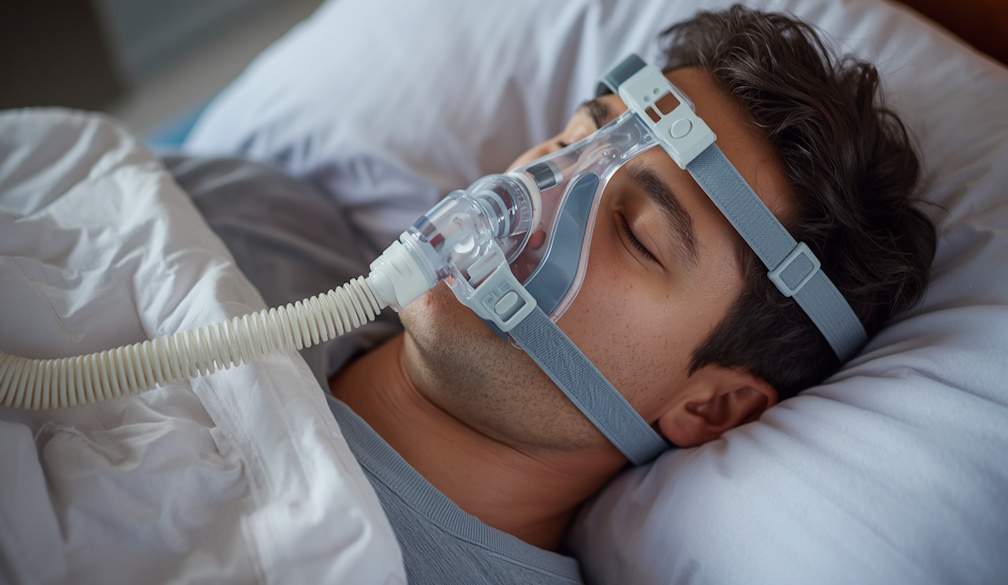
Sleep is supposed to be restorative, but for those dealing with breathing disruptions, nights can feel fragmented and exhausting. This is where a CPAP mask becomes an essential tool, helping maintain consistent airflow and ensuring uninterrupted rest. It works as a bridge between therapy and comfort, allowing users to breathe steadily throughout the night.
For many individuals, a nasal mask offers a lighter and more comfortable alternative, covering only the nose while still delivering effective airflow. Its design makes it a popular choice for those who prefer minimal contact and greater freedom during sleep.
Similarly, a sleep apnea nasal mask is specifically designed to address the needs of individuals with sleep apnea, providing targeted airflow and improved comfort for consistent use.
Understanding Sleep Apnea And Its Impact
Sleep apnea is a condition where breathing repeatedly stops and starts during sleep. This can lead to poor sleep quality, fatigue, and other health issues over time.
The condition often goes unnoticed, as it occurs during sleep. However, symptoms such as loud snoring, daytime tiredness, and difficulty concentrating can indicate its presence.
Using appropriate therapy equipment helps manage these symptoms, improving both sleep quality and overall health.
How CPAP Masks Work
CPAP masks are part of continuous positive airway pressure therapy, which keeps airways open by delivering a steady stream of air. This prevents interruptions in breathing and ensures consistent oxygen flow.
The mask connects to a CPAP machine, which generates the airflow. Proper fit and comfort are essential for effective therapy, as they ensure that the mask remains in place.
Different types of masks are available, allowing users to choose the one that best suits their needs and preferences.
Benefits Of Using Nasal Masks
Nasal masks offer several advantages, particularly in terms of comfort and ease of use. Their lightweight design makes them less intrusive, allowing users to sleep more naturally.
They are also quieter compared to larger masks, reducing disturbances during sleep. This makes them a good option for individuals who are sensitive to noise.
Nasal masks are ideal for those who primarily breathe through their nose, providing effective therapy without covering the entire face.
Choosing The Right Mask For Your Needs
Selecting the right mask involves considering factors such as comfort, fit, and breathing habits. A well-fitted mask ensures that air is delivered effectively without leaks.
Users should also consider their sleeping position, as certain masks are better suited for side or back sleepers. Trying different options can help determine the most comfortable choice.
Consulting with professionals can provide valuable guidance, ensuring that the selected mask meets individual requirements.
Improving Comfort And Compliance
Comfort is a key factor in ensuring consistent use of CPAP therapy. Masks that fit well and feel comfortable are more likely to be used regularly, leading to better results.
Adjustable straps and soft materials enhance comfort, reducing irritation on the face. Proper cleaning and maintenance also contribute to a better experience.
Building a routine around CPAP use helps improve compliance, making it easier to adapt to the therapy over time.
Maintenance And Hygiene
Maintaining CPAP masks is essential for both performance and hygiene. Regular cleaning prevents the buildup of dust and bacteria, ensuring safe use.
Replacing parts such as cushions and straps periodically helps maintain a proper fit and optimal performance. This ensures that the therapy remains effective.
Proper storage also helps extend the lifespan of the mask, keeping it in good condition for long-term use.
The Role Of Technology In Sleep Therapy
Advancements in technology are improving CPAP therapy, making it more comfortable and efficient. Modern machines are quieter and more compact, enhancing the overall experience.
Innovations in mask design are also improving fit and comfort, reducing common issues such as air leaks. These developments make therapy more accessible and user-friendly.
As technology continues to evolve, sleep therapy solutions will become even more effective and convenient.
The Importance Of Consistent Treatment
Consistency is key when it comes to managing sleep apnea. Regular use of CPAP therapy helps improve sleep quality and reduces the risk of associated health issues.
Over time, consistent treatment can lead to better energy levels, improved concentration, and overall well-being. This highlights the importance of choosing the right equipment and using it regularly.
Support from healthcare professionals can also help users stay on track and achieve the best results.
Conclusion: Breathing Better For Healthier Sleep
Choosing the right CPAP mask or nasal mask can make a significant difference in managing sleep apnea. With the right fit and proper use, these devices provide effective support for better sleep and improved health.
By investing in quality sleep therapy solutions, individuals can enjoy more restful nights and more productive days. In the journey toward better sleep, the right mask becomes a trusted companion that ensures every breath counts.


 Daily Bulletin


