

Why A Single Tooth Dental Implant Is A Reliable Option For Missing Teeth
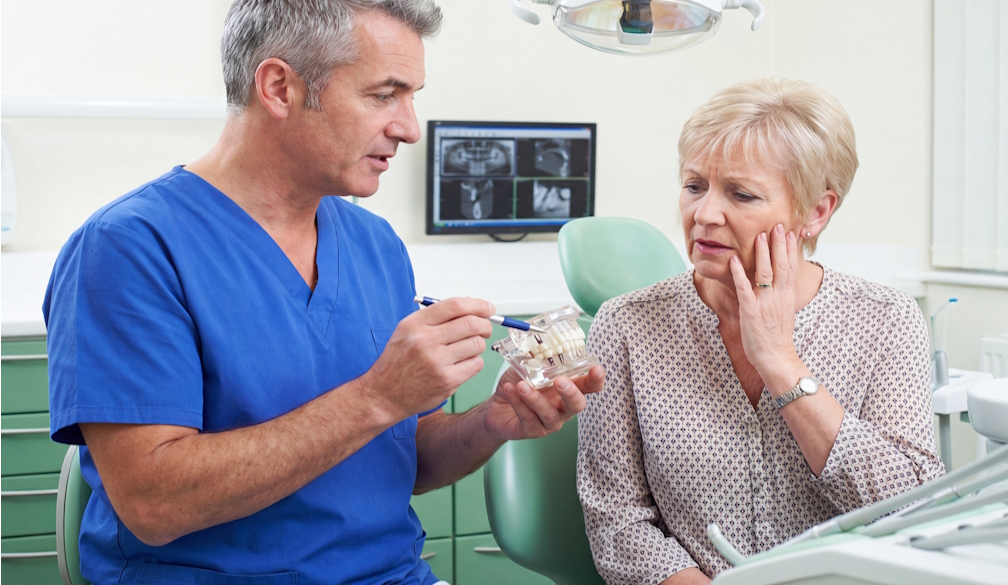
Losing a single tooth can affect both appearance and daily comfort more than many people expect. A missing tooth may influence chewing ability, speech, confidence, and even the alignment of surrounding teeth over time. A professional Single Tooth Dental Implant provides a long-term solution that replaces the missing tooth while preserving the natural structure of the mouth. Dental implants are designed to function similarly to natural teeth, helping patients restore both comfort and confidence.
A single missing tooth may occur because of injury, severe decay, gum disease, or failed dental treatment. Even when only one tooth is lost, nearby teeth can gradually shift into the empty space if it is not restored properly. This movement may affect bite alignment and create additional oral health concerns in the future.
Modern dental implant procedures focus on both durability and appearance. Implant restorations are customised to match surrounding teeth, helping patients achieve a natural-looking smile while improving overall oral function. Many patients choose implants because they offer stability and comfort that closely resemble natural teeth.
How A Single Tooth Implant Works
A single tooth implant replaces both the visible part of the tooth and the root beneath the gums. The implant itself is usually made from titanium and is placed directly into the jawbone. Over time, the bone gradually integrates with the implant, creating a secure foundation for the replacement tooth.
Once healing is complete, a custom-made dental crown is attached to the implant. This crown is designed to match the colour, shape, and appearance of surrounding teeth so the final result blends naturally within the smile.
Unlike removable replacement options, implants remain fixed securely in place. This stability helps improve chewing efficiency while allowing patients to speak and eat more comfortably during daily activities.
Why Replacing A Missing Tooth Is Important
Many people delay replacing a single missing tooth because they believe one gap may not cause major problems. However, tooth loss can gradually affect surrounding teeth and oral structure over time. Nearby teeth may begin shifting into the empty space, leading to alignment issues and uneven bite pressure.
Jawbone loss is another important concern after tooth loss. Natural tooth roots stimulate the jawbone during chewing, helping maintain bone density. When a tooth is missing, the surrounding bone may slowly deteriorate because it no longer receives regular stimulation. Dental implants help preserve bone structure by functioning similarly to natural tooth roots.
Replacing missing teeth also supports confidence and comfort. Patients often feel more comfortable smiling, speaking, and eating after restoring gaps in their teeth. Early treatment may help prevent additional complications from developing later.
How Modern Dentistry Improves Implant Procedures
Advancements in dental technology have improved implant treatment significantly over recent years. Digital imaging and 3D scanning allow dentists to assess bone structure accurately and plan implant placement with greater precision. This helps improve treatment outcomes while supporting safer procedures.
Modern implant techniques also improve patient comfort throughout the process. Local anaesthesia and sedation options may be available depending on patient preferences and treatment complexity. Many patients are surprised that implant procedures are more comfortable than they initially expected.
Custom-designed crowns also contribute to more natural results. Modern materials closely match natural teeth in colour and texture, helping implant restorations blend comfortably within the smile.
Why Single Tooth Implants Offer Long-Term Benefits
Single tooth implants are known for their durability and long-term reliability when properly maintained. Because they are anchored directly within the jawbone, implants provide strong support while functioning similarly to natural teeth during daily use.
Unlike some traditional bridge treatments, implants do not require neighbouring teeth to be altered for support. Preserving healthy surrounding teeth is beneficial for long-term oral health and stability.
Patients with implants can usually continue eating a wide variety of foods comfortably. Properly restored implants provide strong biting force and improved chewing function compared to some removable alternatives.
The Importance Of Ongoing Care After Implant Treatment
Maintaining good oral hygiene is essential for protecting dental implants long term. Regular brushing, flossing, and professional cleanings help keep surrounding gums and bone healthy while reducing the risk of infection around the implant.
Routine dental visits allow dentists to monitor implant stability and overall oral health. Early identification of any issues helps maintain the long-term success of the restoration.
With proper care and regular dental maintenance, single tooth dental implants can continue functioning effectively for many years. Patients often benefit from improved comfort, stronger oral function, and greater confidence after restoring missing teeth with modern implant treatment.


 Daily Bulletin


