

PRP Hair Loss Treatment Supports a More Personalized Approach to Hair Wellness
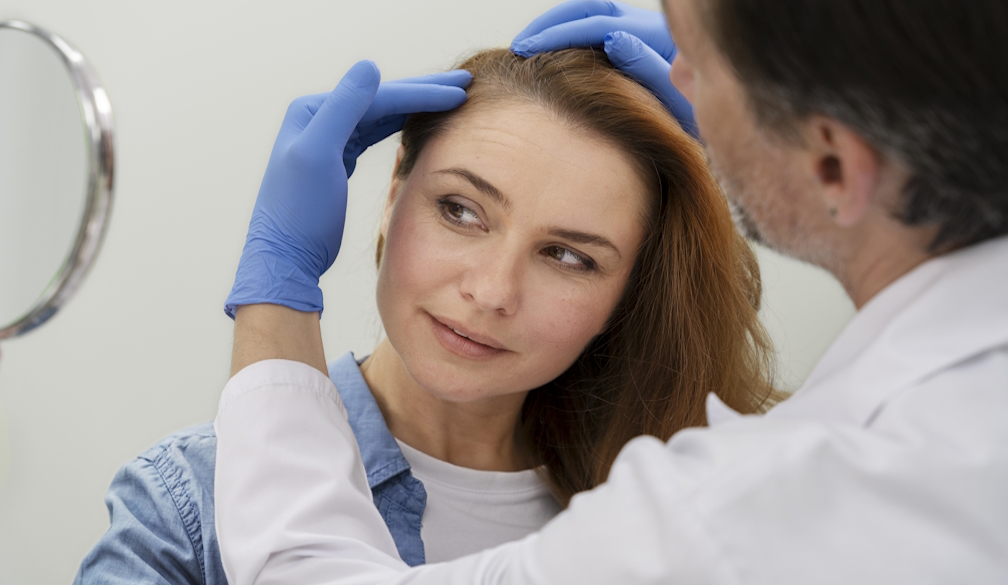
Hair concerns can develop differently from one person to another. Some people notice gradual thinning while others see changes around specific scalp areas. PRP hair treatment supports a more personalized approach to hair wellness by focusing care around individual needs. Personal assessment helps determine suitable goals before any procedure begins. Scalp condition and growth patterns can influence the planned approach. Clear expectations also help people make informed decisions about ongoing care.
Individual Needs Shape Care Plans
Personal assessment helps professionals understand current scalp and growth conditions. Each person may require a different schedule based on visible concerns.
Past changes can also provide useful information during initial planning. This focused process keeps care relevant instead of following one routine.
Scalp Assessment Guides Decisions
A detailed scalp review helps identify areas requiring closer attention. Professionals may examine thinning patterns plus overall hair density carefully.
Personal goals are also discussed before a suitable plan begins. Regular reviews allow future sessions to reflect visible changes accurately.
Factors That Influence Personal Planning
Several personal details may affect how care is planned over time. Understanding these points helps create realistic expectations before starting sessions.
- Hair density provides useful information about current growth patterns.
- Scalp condition helps determine areas needing more careful attention.
- Age may influence how individual growth changes are assessed.
- Previous care history provides context for current scalp concerns.
- Lifestyle habits may affect overall maintenance between planned sessions.
- Family history can offer clues about common thinning patterns.
- Personal expectations should remain realistic throughout the planned care.
- Regular assessments help professionals adjust future care when necessary.
Session Planning Remains Individual
Treatment schedules are usually based on personal assessment rather than assumptions. Some individuals may need different timing between planned appointments.
Progress checks help determine whether the existing schedule remains suitable. This approach keeps decisions connected to actual changes over time.
How Does Personal Assessment Improve Hair Care Planning?
Personal assessment gives professionals a clearer picture of current scalp needs. It considers growth patterns plus density levels before a plan is prepared. The process can also identify areas that deserve closer observation. PRP hair treatment may then become part of a broader care plan based on professional judgment rather than a standard routine for everyone.
Ongoing evaluation also helps determine whether planned sessions remain suitable. Changes can be reviewed at different stages without making quick assumptions. PRP hair treatment may require adjusted timing depending on personal response. Clear communication helps individuals understand progress while maintaining realistic expectations throughout the process.
Progress Requires Regular Review
Visible changes usually require careful observation across several appointments. Photos or professional assessments can help compare growth over time. Consistent reviews provide clearer information for future care decisions.
Common Questions About Personalized Hair Care
People often have simple questions before considering this type of care. Clear answers can make expectations easier to understand before consultation.
- Who may consider this care? People experiencing certain thinning patterns.
- Does everyone follow identical schedules? Plans depend on individual assessments.
- When are changes usually reviewed? Progress is checked during scheduled visits.
- Are personal goals discussed beforehand? Goals help guide suitable care planning.
- Does scalp condition affect planning? Current condition influences professional decisions.
- Are ongoing reviews necessary? Regular checks support suitable future adjustments.
Care Factors at A Glance
Different considerations can influence how an individual plan is developed. The table shows how separate factors contribute different information during assessment.
Consistent Care Supports Better Decisions
A personalized plan becomes more useful when progress is reviewed carefully. Regular appointments allow changes to be assessed without rushed judgments.
Clear records can support more informed choices about future sessions. Professional guidance should remain central throughout the care process.
Steady Planning Creates Clearer Direction
Hair care works better when decisions reflect individual needs rather than fixed routines. Personal assessment gives each stage a clear purpose. Regular monitoring keeps future choices connected to visible progress. Realistic expectations also prevent unnecessary changes based on short-term observations. Consistent execution matters more than trying to achieve a perfect routine immediately.


 Daily Bulletin


