

'Give us a sniff, love': giving marsupials scents from suitors helps breeding programs
- Written by: Marissa Parrott, Reproductive Biologist, Wildlife Conservation & Science, Zoos Victoria, and Honorary Research Associate, BioSciences, University of Melbourne
Smell is a vital part of sexual attraction for all kinds of animals (including humans). We may be able to use smell to improve breeding programs by giving the female animal a sample sniff of potential mates and letting her choose the best one before introducing them.
Our new research found female marsupials paired with the male of their choice in captive breeding programs had a higher chance of becoming pregnant, a shorter time to pregnancy and may produce healthier young.
Read more: Curious Kids: How do we smell?
Ladies’ choice
Zoos and breeding institutions traditionally pair animals based on their relatedness and pedigree so they can manage the overall genetic health of the population. It’s expensive and often not possible to transport multiple males just to give a female some options – but if she refuses her solitary suitor when he arrives, it can cause major problems.
Our research shows that presenting the female with a range of scent samples and letting her pick her favourite dramatically increased compatibility.
This simple 10-minute test more than doubled the number of pregnancies and shortened the time to becoming pregnant in a small carnivorous marsupial, the stripe-faced dunnart.
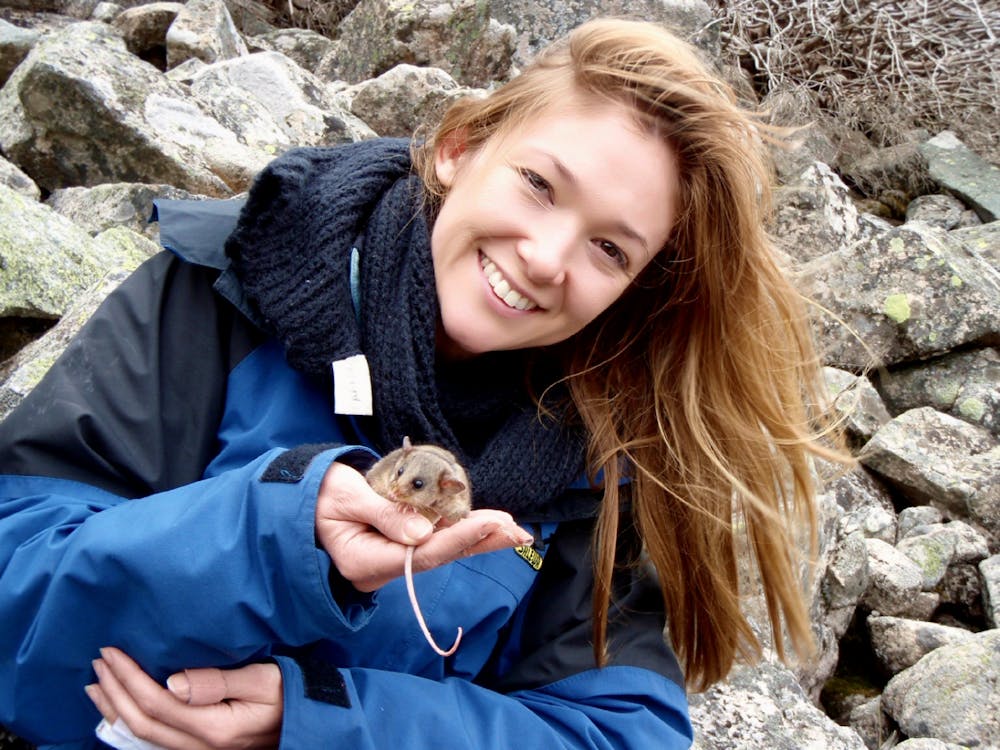 Marissa Parrott with a captive-bred mountain pygmy-possum released to the wild.
Author provided
Marissa Parrott with a captive-bred mountain pygmy-possum released to the wild.
Author provided
Using the same technique in the critically endangered mountain pygmy-possum at Healesville Sanctuary, we showed that females had significantly higher breeding success with males they liked during their choice tests. We have shown a similar effect of increasing breeding success and shortening the time to pregnancy in the endangered eastern barred bandicoot at Zoos Victoria through scent and interactions.
How are female marsupials choosing mates?
Put simply, they are following their noses. We gave females a choice of male smell and allowed her to sniff out the best mate.
In the first published study of marsupial mate choice, we found female agile antechinus chose the most genetically suitable male based on his smell. Females preferred males that were genetically dissimilar to themselves (avoiding in-breeding), but not too dissimilar (avoiding genetic out-breeding).
There is a sweet spot to female choice. If you can provide a female with a suite of males, they can choose their most compatible suitor, which in turn is likely to produce the healthiest and fittest young.
Better yet, females are choosing males compared with their own genes, so each female may like a different male, which is good for managing the overall population. However, care must be taken with sisters, as they are likely to have the same choices.
Read more: Swingers' hookup program can find the right match for endangered species
This information is particularly helpful for global programs that have endangered species spread across different institutions and zoos, such as tree kangaroos.
In the dunnarts, we found that freezing and storing the scents of males for up to 40 days did not affect a female’s choice or interest in a scent. Thus, if you have a female tree kangaroo at Melbourne Zoo and are uncertain which male should be sent from overseas, you could freeze scents from eligible bachelors and send them to her in advance for her approval. This could reduce the stress, time and cost associated with sending males between zoos, especially if the male you sent ended up being the wrong choice!
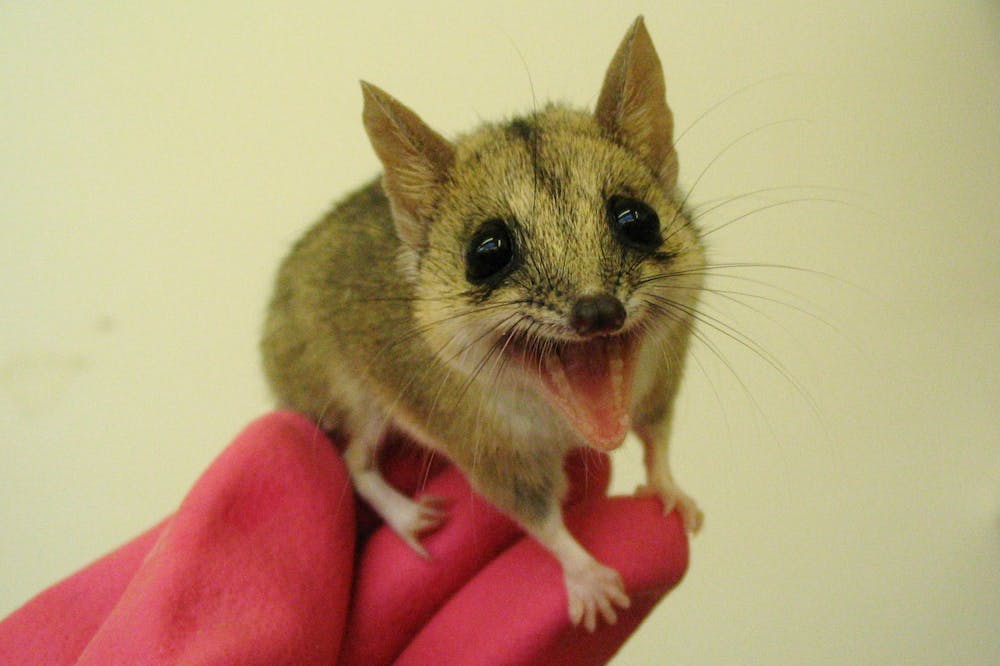 A stripe-faced dunnart in the captive breeding colony at the University of Melbourne.
M Parrott, Author provided
A stripe-faced dunnart in the captive breeding colony at the University of Melbourne.
M Parrott, Author provided
But why focus on females?
In marsupials, females provide the majority of the care of the young. In the extreme case of the antechinus, all males die after mating, leaving the females with all the work raising the offspring. Thus, females are generally the choosier sex, ensuring they get the maximum benefit from appropriate mate choice.
In other species, such as the critically endangered plains wanderer whose females lay eggs and leave them with stay-at-home fathers, you may expect the male bird’s choice to be more important. He is providing the care to the growing chicks and thus will want to maximise their success through choosing the best mate.
Can people learn from the marsupial approach?
Female mate choice is a perennial issue for many humans. A study that supplied 49 women with T-shirts worn by different men found the women could sniff out the men in their genetic “sweet spot” – not too similar or dissimilar – and found those scents most attractive.
We are not so different to the endangered marsupials we are working to recover. Perhaps in the future, instead of swiping right on an image, we can be sent a palette of smells to choose a potential suitor. Instead of speed dating, could we use smell dating?
Read more: Tasmanian devils reared in captivity show they can thrive in the wild
Certainly, when used in conservation breeding programs, allowing a female to choose her own mate can help find the best pairings, reduce the time to produce young and hopefully help produce the healthiest offspring to fight extinction for their species.
Authors: Marissa Parrott, Reproductive Biologist, Wildlife Conservation & Science, Zoos Victoria, and Honorary Research Associate, BioSciences, University of Melbourne


 Daily Bulletin


