

How do we detect if coronavirus is spreading in the community?
- Written by: Joanne Macdonald, Associate Professor, Molecular Engineering, University of the Sunshine Coast
The daily number of new coronavirus (SARS-CoV-2) cases is now nine times higher outside China than in the country where the disease was first detected.
In Australia, reports this week of local transmission of the coronavirus, which causes the disease now called COVID-19, are a turning point in our disease management.
Our disease surveillance systems are well placed to keep abreast of COVID-19 and provide some reassurance that transmission is unlikely to go undetected in the community. But there’s still more we could do.
Read more: Worried about your child getting coronavirus? Here's what you need to know
Why is the coronavirus hard to detect?
Detecting all people with COVID-19 is a global problem. There are too many existing respiratory infections, such as colds and flus, in any country to be able to test everyone with coronavirus symptoms.
Each of us gets around two to three upper respiratory tract infections a year. Globally, that amounts to around around 18.75 billion infections a year.
There are not enough testing kits readily available to test people at this scale.
So who is tested?
In Australia, people are currently tested for the coronavirus if they’ve travelled from or through a country considered to pose a risk of transmission in the 14 days before getting sick, or if they have a link to a known case.
This testing criteria has changed as the outbreak progressed, and will continue to do so.
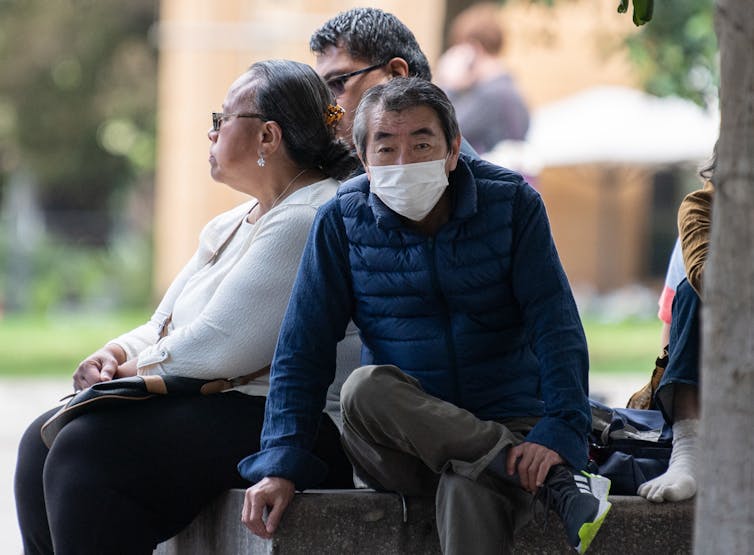
 Currently, only those with a relevant travel history or contact with a known case are tested.
Shutterstock
Currently, only those with a relevant travel history or contact with a known case are tested.
Shutterstock
How else do we track possible cases?
Apart from directly testing people suspected of having COVID-19, Australia has a surveillance plan to detect coronavirus in people or populations who don’t know they’re infected.
Australia’s emergency response plan for mitigating COVID-19 says we will use surveillance networks set up for the influenza pandemic emergency reponse plan and some of this is already occurring.
The Australian Sentinel Practices Research Network (ASPREN) is a network of GPs who log the number of patients they see in total, compared to the number of patients they see with influenza-like illness. These GPs collect samples from a small subset of those patients to see if COVID-19 is circulating. Samples are then sent to SA Pathology for testing.
Another surveillance network that may be activated is FluCAN. This reports on the number of hospitalisations due to a disease, usually influenza, as well as clinical data from the cases. The information helps public health experts get a better picture of how severe the disease is, and the symptoms.
But while these systems can monitor disease levels in those sick enough to seek medical care, they don’t give us an indication of the amount of milder disease that might be circulating in our communities.
 It’s unclear how long surveillance systems take to detect community transmission.
James Gourley/AAP
It’s unclear how long surveillance systems take to detect community transmission.
James Gourley/AAP
This is where an online surveillance system called FluTracking can help. Anyone in the community can join and answer two simple questions each week about whether they have a fever and/or a cough.
The system provides information on how much influenza-like illness is circulating in the community. If we’re seeing more than usual, it might signify a community outbreak.
FluTracking was activated for COVID-19 surveillance last month.
What else could we be doing?
There are questions, however, about how early in an outbreak the surveillance systems will detect cases.
Will they detect community transmission when an outbreak reaches ten cases? Or will it take hundreds or even thousands of cases to trigger a warning through the network?
Read more: Coronavirus: 5 ways to put evidence into action during outbreaks like COVID-19
Innovations from other countries suggest there are additional measures Australia could adopt to improve our surveillance networks.
Testing at home or on the road
London adopted a system at the end of January to test mild cases of disease in the patients’ homes. This helps with self-isolation and reducing disease spread.
Meanwhile, Edinburgh has opened a drive-through testing clinic to reduce the chances of viral spreading.
Australia’s emergency response plans include provisions to mobilise flu clinics to help keep patients from overwhelming emergency services. Drive-through services could be an excellent addition to these existing plans.
Rapid testing
One of the biggest concerns with current testing is the time it takes to ship a sample to a laboratory for testing. This can result in a delay of one to two days before getting the results. During peak epidemic times, testing can’t cope with demand.
Researchers in China, however, have reportedly developed a rapid coronavirus test that can detect the virus using a fingerprick of blood in 15 minutes. The test detects if the body has mounted an immune response (Ig M antibodies) to the virus.
While the data is not yet published, the researchers reported success from the 600 samples they tested.
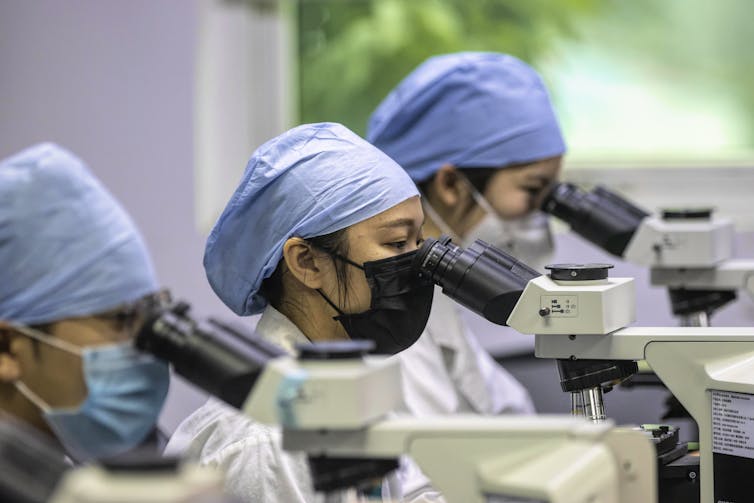 A rapid diagnostic test would ease the pressure on laboratories.
Alex Plaveski/AAP
A rapid diagnostic test would ease the pressure on laboratories.
Alex Plaveski/AAP
Rapid diagnostic tests are typically cheap to manufacture, can be mass produced, and can be easily used by health workers outside a laboratory.
Reporting on negative test results and surveillance systems
Positive COVID-19 cases from all the surveillance sources are reported as they occur. But while influenza surveillance reports include the number of negative tests results, it’s unclear whether COVID-19 surveillance reports will do the same.
Reporting on negative tests results could help ease community concern that coughs and sneezes people see on the train or in their office are unlikely to be due to the undetected spread of COVID-19.
Local health services should also provide regular updates on the types of COVID-19 surveillance actively being performed, and in which communities. This information can help reduce anxiety levels and assure communities that spread of coronavirus can be effectively monitored.
Read more: Coronavirus is a breeding ground for conspiracy theories – here's why that's a serious problem
Authors: Joanne Macdonald, Associate Professor, Molecular Engineering, University of the Sunshine Coast
Read more https://theconversation.com/how-do-we-detect-if-coronavirus-is-spreading-in-the-community-132349


 Daily Bulletin


