

Read The Times Australia

Daily Bulletin

Explainer: what is contact tracing and how does it help limit the coronavirus spread?

  • Written by: Michael Bret Hart, Adjunct Clinical Associate Professor Curtin Medical School Public Health Physician, Curtin University

You might have heard about contact tracing which, when combined with social distancing, has proven a powerful asset in controlling the spread of COVID-19.

In short, it means assigning a “contact tracer” to interview each person with a confirmed case of COVID-19. The contact tracer, through painstaking and quick detective work, finds out who else might have already acquired the virus from the infectious person, or been exposed.

“Close contacts” of a person who might have COVID-19 can then be isolated (if sick) or quarantined (if well) to lessen further spread of the virus. The contact tracer will be especially interested in any contact who may be in a higher-risk group, such as older or immuno-compromised people.

This technique has also been used to better understand and limit the spread of HIV, meningitis and other diseases. It is a powerful tool discovered almost a century ago to limit the spread of sexually transmitted infections from and to American troops.

Read more: How do we detect if coronavirus is spreading in the community?

Close contacts

The COVID-19 virus is located in the respiratory tract and is spread when someone coughs or sneezes, dispersing infected droplets like a scatter gun.
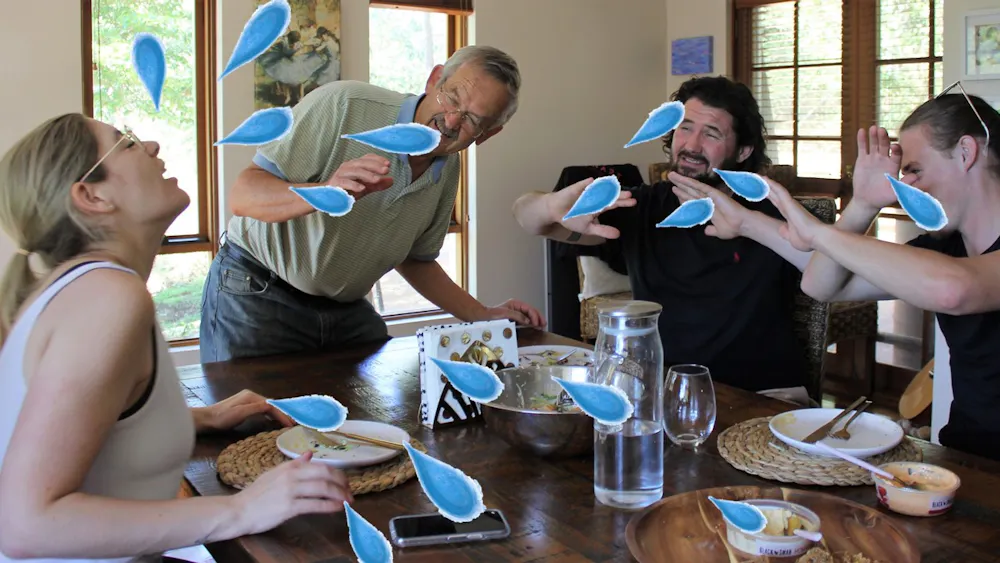
Explainer: what is contact tracing and how does it help limit the coronavirus spread? One sneeze or cough can spread infected droplets everywhere, even onto surfaces that people may touch later. Michael Bret Hart, Author provided

Several people can be infected from one COVID-19 positive person, even by later entering a room and touching contaminated objects.

So contact tracing under these circumstances is challenging. The droplet spreader will have to recall his or her movements carefully.

The contact tracer will be especially interested to know:

  • who has this confirmed case met or talked with recently? Was it inside or outside?
  • who have they sat near, for example in a lecture hall or other enclosed space?
  • have they been to a big event like a footy match?

Queensland Health succinctly summarises the procedure, in accordance with the Communicable Disease Network Australia guidelines, saying:

Close contacts are those who have had face-to-face contact with a confirmed case for a period more than 15 minutes, or those who have shared an enclosed space with a confirmed case for more than two hours.

We are not looking for people the person may have passed on the street or in a shop, as the risk in these situations is extremely low.

If you have been in close contact with someone who has a confirmed case of novel coronavirus you need to self-quarantine for 14 days from your last contact with them. If you become unwell during that period, see a doctor immediately.

And here’s how Singapore explains their contact tracing process, well-honed by previous experience managing Severe Acute Respiratory Syndrome (SARS) and H1N1 influenza (sometimes called bird flu):

To facilitate the process, Victoria is using a new text messaging system to monitor close contacts.

Read more: Can coronavirus spread through food? Can anti-inflammatories like ibuprofen make it worse? Coronavirus claims checked by experts

It needs to be done right

If the contact tracing process was applied to every COVID-19 case, it would help reduce (but not completely stop) the spread of the coronavirus. It’s important to remember that possibly less than half of all infected people are symptomatic. Contact tracing could help find those people and ask them to self-isolate.

It’s also important to ensure we have enough testing kits to keep up. Our testing rate is currently one of the highest in the world and ensuring a steady supply of testing kits is crucial as the virus spreads.

In the real world, however, the effectiveness of contact tracing depends on the skills, extent and capacity of the contact tracing workforce as well as compliance with the contact tracers’ advice.

Wuhan, with a population about half that of Australia, had more than 1800 teams of epidemiologists, with a minimum of five people per team, who traced tens of thousands of contacts a day. Previous reviews of health workforce capacity suggest that Australia is not so well resourced, which is why the Australian Defence Force is helping here.

Contact tracing and isolation are our two most important assets in the effort to limit the spread of coronavirus, so we need to ensure contact tracing teams are well resourced.

Read more: 'Fever clinics' are opening in Australia for people who think they're infected with the coronavirus. Why?

Authors: Michael Bret Hart, Adjunct Clinical Associate Professor Curtin Medical School Public Health Physician, Curtin University

Read more https://theconversation.com/explainer-what-is-contact-tracing-and-how-does-it-help-limit-the-coronavirus-spread-134228

Business News

Designing Eco-Friendly Custom Water Bottles for Your Next Event

The Evolution of Sustainable Event Merchandise Event planning has undergone a massive transformation over the last decade. Gone are the days when organizers could hand out cheap, single use plastic...

Daily Bulletin - avatar Daily Bulletin

Why Choosing a Professional Florist Melbourne Makes Flower Delivery Impactful

Flowers have a great power to speak when humans cannot express their feelings with right words. Flowers are the best gifts when you are celebrating a birthday or welcoming a newborn child into your fa...

Daily Bulletin - avatar Daily Bulletin

The Business Case for Choosing Australian Fabricators Over Imported Alternatives

For a long time, you might have defaulted to overseas suppliers when sourcing fabricated metal components for a project. The unit price was lower on paper, and the maths seemed straightforward. That...

Daily Bulletin - avatar Daily Bulletin

Australian organisations are relying on business continuity plans built for a far more predictable world

Tariff escalations, supply chain fragility, geopolitical events, and the ongoing threat of cyber disruption have reshaped the risk environment facing Australian organisations. The problem is that ma...

Daily Bulletin - avatar Daily Bulletin

How to Rent a Car for Uber in Melbourne: What Every New Driver Needs to Know

Starting out as an Uber driver in Melbourne is not as complicated as it sounds but getting the vehicle right is where most new drivers get stuck. Uber has strict requirements around vehicle age, condi...

Daily Bulletin - avatar Daily Bulletin

When Should You Speak to a Lawyer About a Legal Issue?

Legal issues can begin with a simple question, then become harder to manage once formal steps are involved. Many people wait until a matter feels urgent before seeking guidance, even though earlier ...

Daily Bulletin - avatar Daily Bulletin

The strategic rise of Bali as Australia’s next essential healthcare support hub

As Australian healthcare providers grapple with unprecedented operational bottlenecks, a new nearshore model is quietly transforming patient care delivery. Forward-thinking organisations,  including...

Daily Bulletin - avatar Daily Bulletin

Cost Savings and Benefits of Using Used Pallets in Logistics

In today’s competitive logistics and supply chain industry, businesses are constantly looking for ways to reduce operational costs without compromising efficiency and reliability. One of the most prac...

Daily Bulletin - avatar Daily Bulletin

How Fulfilment Services in Australia Help Businesses Scale Efficiently

The growth of e-commerce and modern retail has transformed customer expectations. Consumers now expect fast shipping, accurate order processing, and seamless delivery experiences regardless of where...

Daily Bulletin - avatar Daily Bulletin

The Daily Magazine

Why a Cordless Rebar Tying Machine Is a Smart Investment for Australian Construction Projects

Tying reinforcing steel by hand means spending hours bent over while making the same twisting moti...

How to Get a Document Notarised in Sydney: What to Bring, What It Costs and How Long It Takes

If an overseas bank, embassy, university, employer or land registry has asked you for a notarised ...

The 2026 Used-Car Market

For a few strange years, the used-car market rewrote its own rules. Supply shortages sent second-h...

Why CCTV Alone Is Not Enough for Modern Business Security

Cameras are usually the initial step that companies take to strengthen their physical security. If...

Why Every Workplace Should Take Emergency Preparedness Seriously

Emergency planning is one of those things many workplaces know they should think about, but it oft...

Why Clearer Communication Still Matters in a Digital-First Business

It’s never been easier for businesses to communicate, but that doesn’t mean they’re always communica...

What Happens After You Lodge a BYDA Enquiry? The Step Most Excavation Projects Miss

Every excavation project in Australia — from a backyard deck footing to a multi-storey commercial bu...

How to Choose the Right Dentist on the Gold Coast

Finding a dentist you trust is one of those decisions that quietly affects your health for years, ye...

The Hidden Engineering Problem Inside Australia's Older Housing Stock

A significant share of Australian homes were built for a way of living that no longer exists. Houses...