

Facebook's news is gone. Here's where to turn for trusted information
- Written by: Lisa M. Given, Dean, Research and Development, Swinburne University of Technology
Information is everywhere, right? Well, here in Australia, we now have one less source of news information at our fingertips.
Today, Facebook banned Australian users from posting news links, and sharing or viewing Australian and international news content. This will have a far-reaching impact on many organisations and groups.
For the public – people of all ages, demographic backgrounds and political persuasions – this represents a dramatic and powerful imposition of control over how we find, share and critique information in our daily lives. How will we cope with this shift?
Facebook, like other social media platforms, offers a useful way to engage with family, friends and colleagues. We share recipes online, we send weather reports to relatives in other countries, we watch videos of our nephews’ first steps. And we share the news of the day.
Another COVID lockdown in Melbourne? I share news stories with family in Canada so they know I’m safe. The US Capitol under siege? Australians tracked the tumultuous events in Washington, many of them via trusted news outlets posting content on Facebook.
Read more: Facebook has pulled the trigger on news content — and possibly shot itself in the foot
The challenge is compounded by Facebook’s heavy-handed definition of a “news organisation”, which has also seen it restrict access to many other (non-news) organisations, temporarily in some cases. Earlier today, users found pages missing for the Bureau of Meteorology, non-profit organisations such as 1800Respect, politicians, community groups and others.
 1800Respect was caught up in the ban but has since been reinstated.
Author provided
1800Respect was caught up in the ban but has since been reinstated.
Author provided
Many of the affected pages have since been restored, and Facebook does have an appeal process, but it’s unclear whether members of the public can engage in recommending sites be reinstated, rather than the site’s administrators themselves. It’s not clear now long it will take to bring all of the unduly affected sites back online.
In our book Looking for Information, my colleague Donald O. Case and I documented the importance of social media and news sources in shaping people’s daily lives. In my research, I explore how people find, share, make sense of, and critique information – not just from news media, but from all corners of their lives.
I have conducted research with children, university students, hospital patients, farmers, and many other people who rely on trusted sources to make daily decisions.
Although the news media represent a key resource for most people, it’s the information shared by close contacts, debated by friends, family and trusted public figures, and used or applied by people we trust, that matters the most.
What’s more, people are very adaptable when it comes to finding the information they need. The adage “where there’s a will, there’s a way” certainly holds true here.
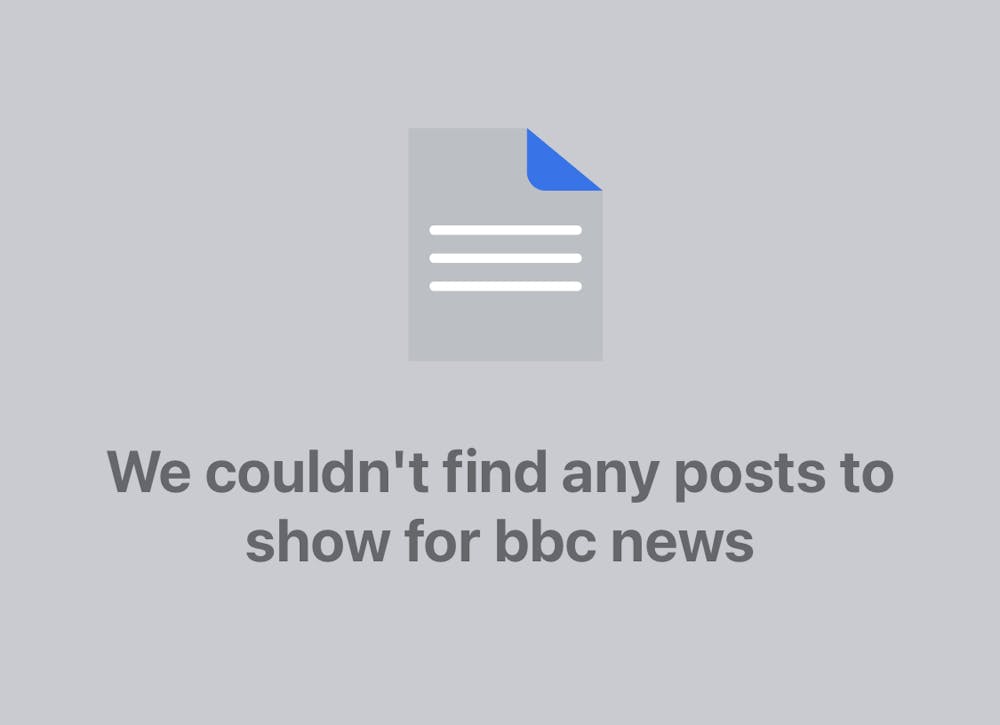 International news outlets such as the BBC are also off-limits for Australian Facebook users.
Author provided
International news outlets such as the BBC are also off-limits for Australian Facebook users.
Author provided
Here are some straightforward ways to fill the gap left by Facebook’s restrictions:
Australian news organisations’ websites, apps and print subscriptions
non-Australian news organisations’ apps and websites
other social media platforms, such as Twitter, that feature Australian news.
There are also some craftier strategies you can use to get around the restrictions, including:
scrolling through content on international organisations’ Facebook pages (such as www.facebook.com/nytimes) while not logged into your account
accessing Facebook subpages (such as www.facebook.com/nytimesscience) while logged into your account; these appear not to be affected by the ban in the same way as the organisations’ main Facebook pages
taking photos and screenshots of sources to share on Facebook, instead of direct links
asking friends, family and others overseas to send articles via email or messaging services.
These examples demonstrate a few ways Facebook users will adapt and change in this new landscape. The worst outcome would be if people simply stop reading the news.
Read more: Why is it so hard to stop COVID-19 misinformation spreading on social media?
Our research (for example with Australian farmers using social media) shows people will use the path of least resistance in looking for information. This means they might just scroll through what’s in front of them online, without realising what’s no longer there.
Although some readers will be very savvy and know how best to navigate the news without Facebook’s help, others need support. We can use this as an opportunity to educate and support those around us, so people continue to get the information they need, when they need it, and in a way that allows them to continue to engage across their social networks of trusted contacts.
Authors: Lisa M. Given, Dean, Research and Development, Swinburne University of Technology


 Daily Bulletin


