

Growing up with trees: new books use story and science to connect kids with nature
- Written by: Kathryn Williams, Professor in environmental psychology, School of Ecosystem and Forest Sciences, The University of Melbourne
When I tell people I’m an environmental psychologist, they often assume that means I am a “tree hugger” and they are not entirely wrong. But it really means I spend a lot of time thinking and finding out about people’s relationships with the natural world, trees included.
So when I dropped in at my local book store and saw a whole collection of new books for children about trees, I found myself wondering: What kinds of books help kids connect with trees?
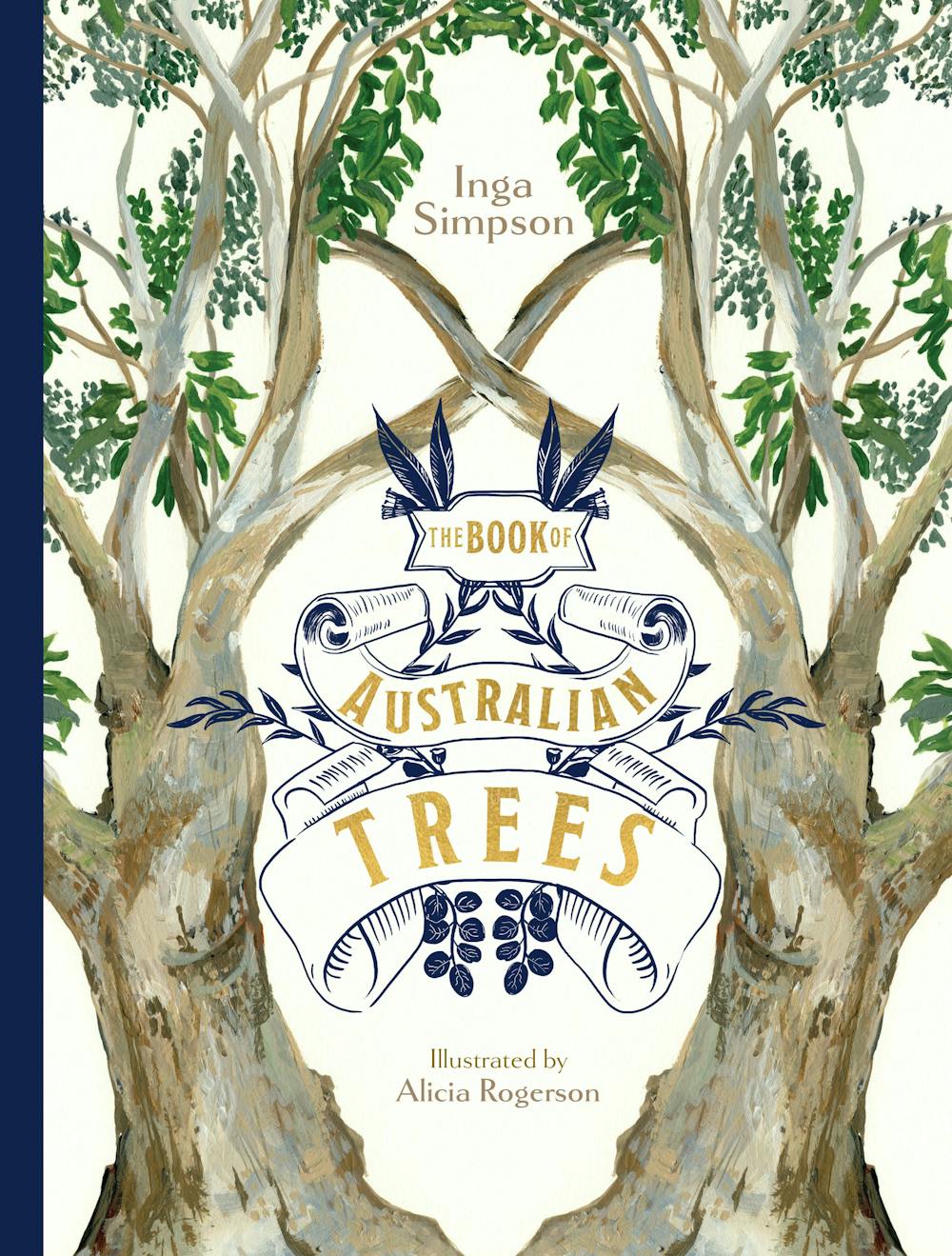
The question was prompted by a recent publication, The Book of Australian Trees by Inga Simpson and Alicia Rogerson. Its not the only tree book published this year, but it’s notable for its focus on Australian trees.
The last few years have seen the publication of some remarkable books about trees for children, for example Peter Wohlleben’s Can you hear the trees talking (a 2019 young reader’s edition of his book The Hidden Life of Trees) and Piotr Socha and Wojciech Grajkowski’s The Book of Trees (2018).
I love both these books, but they also illustrate why books about Australian trees and plants are needed. When Socha and Grajkowski declare: “In winter, the only green trees are coniferous trees”, or when Wohlleben suggests young readers go outside and find a birch log (likely in in their family’s store of firewood) kids in the southern hemisphere might feel lost.
Read more: People are 'blind' to plants, and that's bad news for conservation
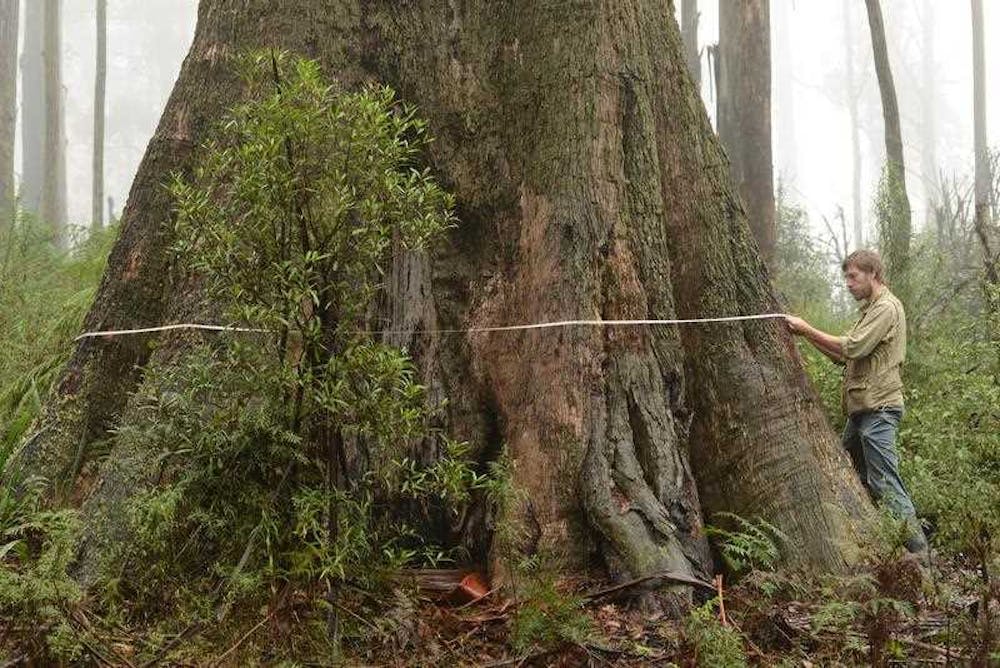 A researcher measures a Mountain Ash in a forest in Victoria.
Australian National University
A researcher measures a Mountain Ash in a forest in Victoria.
Australian National University
Learning to love plants and trees
Having books that help children learn to love trees really matters to me. There is increasing concern that people are less connected with the natural world than in the past. Plants are of particular concern, as there is evidence of lower appreciation, knowledge and concern for plants compared with animals. Various writers have noted the negative implications of these trends for human health and well-being, environmental action, and conservation.
Direct experience of nature is often seen as essential to building connections, but it’s not always possible and might not be enough. Books can help children connect with trees, for example by:
So how are recent children’s book authors going about this important task?
Read more: Where the old things are: Australia's most ancient trees
The Book of Australian Trees
The introduction to Simpson and Rogerson’s book echoes some of these pathways for connection. “Trees tell stories about places,” Simpson writes and while trees may all seem the same, “if you look more closely, they are each a little different, like people”.
 Goodreads
The book introduces just 16 different trees, most from the eastern mainland states of Australia. Each species is introduced with a single painting by Rogerson, often showing the trunk and lower canopy but sometimes just a part of the trees such as a Bunya Pine nut or a flower.
Simpson’s text is brief. It includes visual characteristics of the tree, the kinds of soils or climate in which it grows, and usually a an insight to cultural associations with the tree. Some entries refer to “famous trees”, for example Centurion, the tallest mountain ash tree found in Tasmania. Others refer to Australian literary references to trees, like the “Old Man Banksias” of May Gibbs’ Snugglepot and Cuddlepie stories.
I enjoyed Simpson’s evocative description of trees, particularly of bark and the ways it differs across trees and seasons. These often emphasise the links between visual attributes of trees and familiar human characteristics. Brush box branches “grow out like arms, with crooked elbows, then wrists and long fingers”. But while Simpson describes the kind of environments in which the trees typically grow, there is little sense of story or sense of place in these descriptions.
Books on trees and plants often focus purely on ecological qualities. Simpson incorporates cultural aspects of trees as they offer an important means of connection. But these are not always well considered. Linking magnificent Flame Trees to Cold Chisel’s 1984 song about “lost loves or old flames” seems unlikely to resonate with younger readers. Only a single entry (Bunya Pine) references relationships with First Nations peoples that have been maintained over many thousands of years.
The book is beautifully illustrated and celebrates the beauty of trees of this land — the flyleaf paintings of leaves, bark, cones, seeds, and blossoms lend themselves to a plant-rich conversation with younger readers.
Goodreads
The book introduces just 16 different trees, most from the eastern mainland states of Australia. Each species is introduced with a single painting by Rogerson, often showing the trunk and lower canopy but sometimes just a part of the trees such as a Bunya Pine nut or a flower.
Simpson’s text is brief. It includes visual characteristics of the tree, the kinds of soils or climate in which it grows, and usually a an insight to cultural associations with the tree. Some entries refer to “famous trees”, for example Centurion, the tallest mountain ash tree found in Tasmania. Others refer to Australian literary references to trees, like the “Old Man Banksias” of May Gibbs’ Snugglepot and Cuddlepie stories.
I enjoyed Simpson’s evocative description of trees, particularly of bark and the ways it differs across trees and seasons. These often emphasise the links between visual attributes of trees and familiar human characteristics. Brush box branches “grow out like arms, with crooked elbows, then wrists and long fingers”. But while Simpson describes the kind of environments in which the trees typically grow, there is little sense of story or sense of place in these descriptions.
Books on trees and plants often focus purely on ecological qualities. Simpson incorporates cultural aspects of trees as they offer an important means of connection. But these are not always well considered. Linking magnificent Flame Trees to Cold Chisel’s 1984 song about “lost loves or old flames” seems unlikely to resonate with younger readers. Only a single entry (Bunya Pine) references relationships with First Nations peoples that have been maintained over many thousands of years.
The book is beautifully illustrated and celebrates the beauty of trees of this land — the flyleaf paintings of leaves, bark, cones, seeds, and blossoms lend themselves to a plant-rich conversation with younger readers.
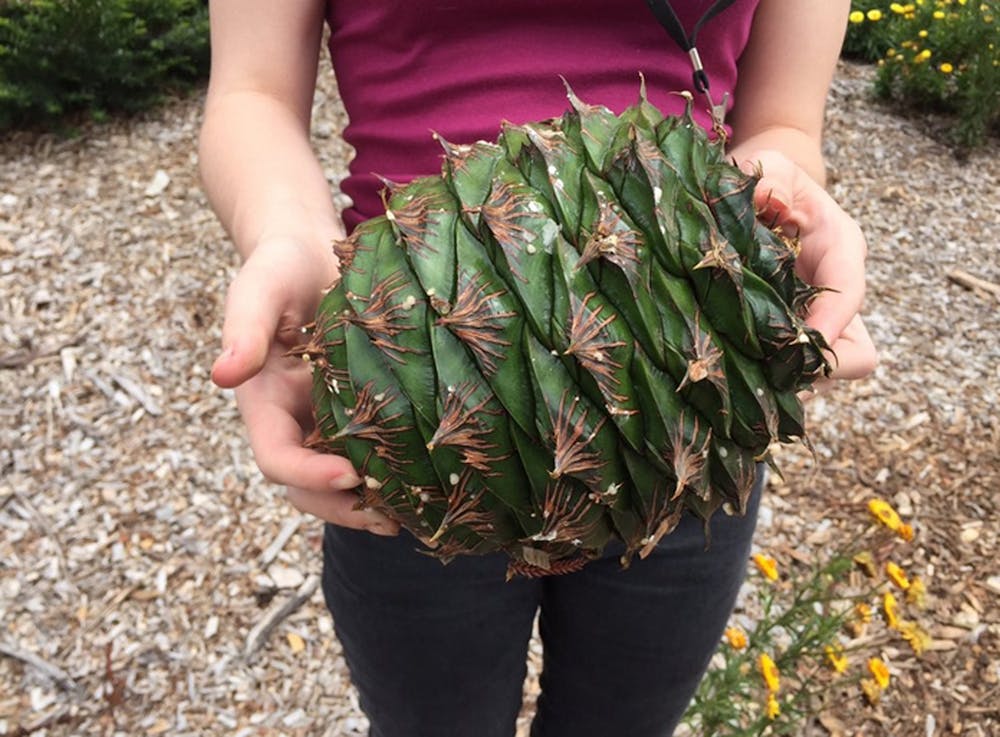 The cone from a Bunya Pine.
Australian Botanic Gardens
4 more to choose from
Other recent books about trees make great use of stories, emotion, science and tree-related activities to help children connect with trees.
The cone from a Bunya Pine.
Australian Botanic Gardens
4 more to choose from
Other recent books about trees make great use of stories, emotion, science and tree-related activities to help children connect with trees.
 Goodreads
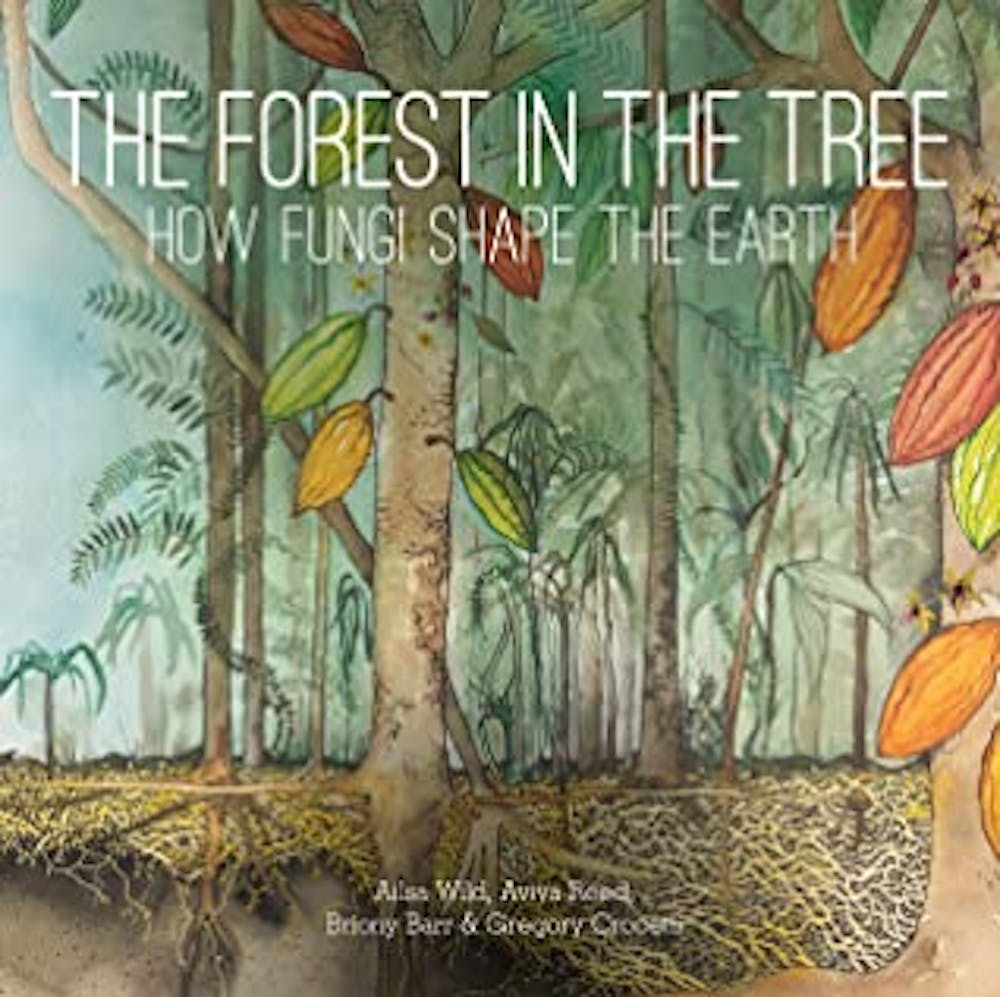
The Forest in the Tree (by Australian team Ailsa Wild, Aviva Reed, Briony Barr and Gregory Crocetti) skilfully weaves story and science to explore symbiotic relationships between trees and fungi. Characters include Broma the Cacao tree and We, Gloma the fungal network that connects the forest system. It is sure to fascinate and inform older children.
Goodreads
The Forest in the Tree (by Australian team Ailsa Wild, Aviva Reed, Briony Barr and Gregory Crocetti) skilfully weaves story and science to explore symbiotic relationships between trees and fungi. Characters include Broma the Cacao tree and We, Gloma the fungal network that connects the forest system. It is sure to fascinate and inform older children.
 Goodreads
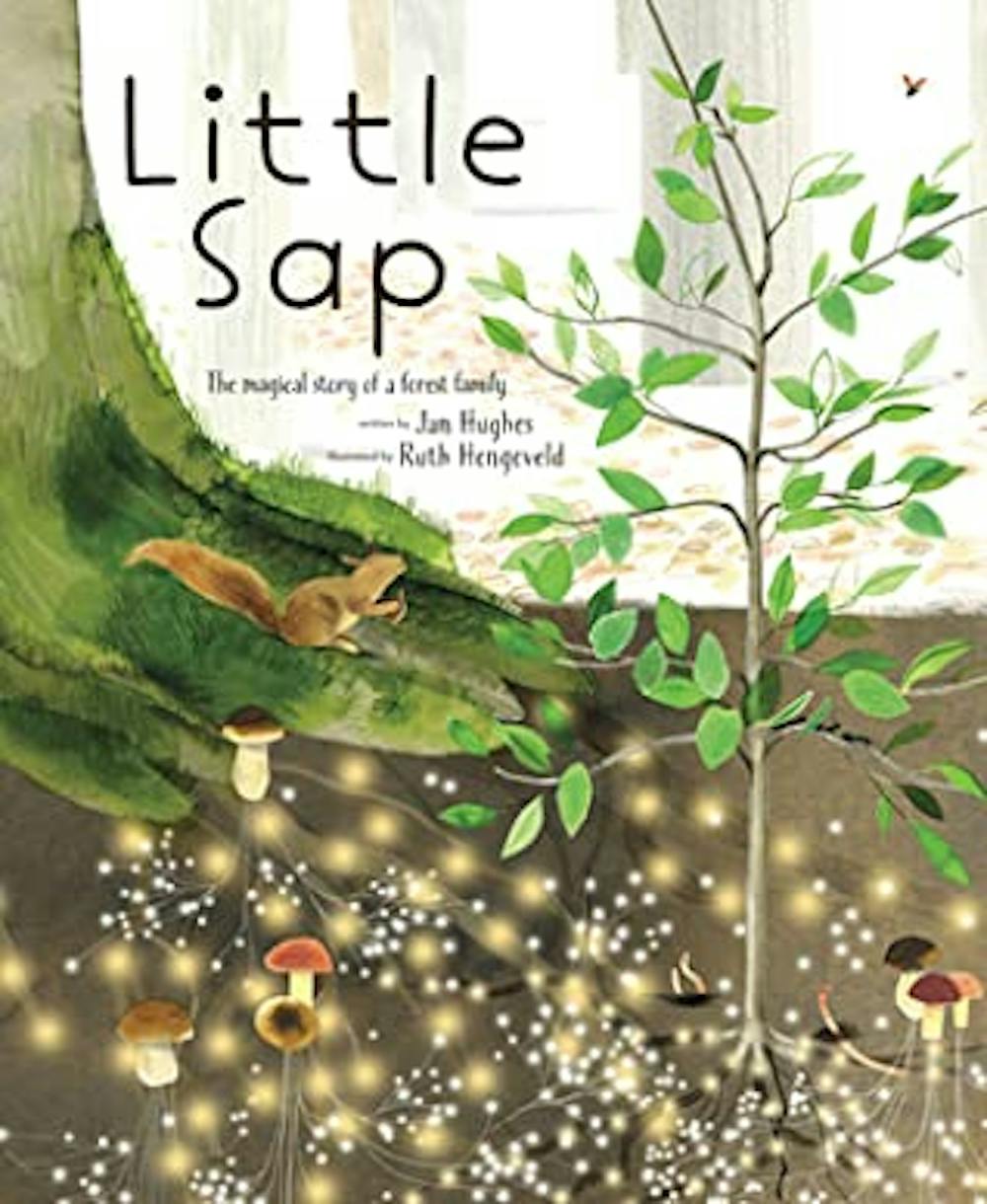
Little Sap (by Jan Hughes and Ruth Hengeveld) is written for a much younger audience. It tells a moving tale of a mother tree and a young sapling who eventually takes her place in the canopy. The authors note they found inspiration in the science of Suzanne Simard and Monica Gagliano among others.
Peter Wohlleben has also published a book for younger children. His book Peter and the Tree Children is a tale about Peter the forester and Piet the squirrel, and all they learn while walking in the forest.
Goodreads
Little Sap (by Jan Hughes and Ruth Hengeveld) is written for a much younger audience. It tells a moving tale of a mother tree and a young sapling who eventually takes her place in the canopy. The authors note they found inspiration in the science of Suzanne Simard and Monica Gagliano among others.
Peter Wohlleben has also published a book for younger children. His book Peter and the Tree Children is a tale about Peter the forester and Piet the squirrel, and all they learn while walking in the forest.
 Goodreads
I found it less engaging than his earlier book Can you hear the trees talking which is structured around curious questions like “How do trees make babies?” or “Is there a forest internet?”.
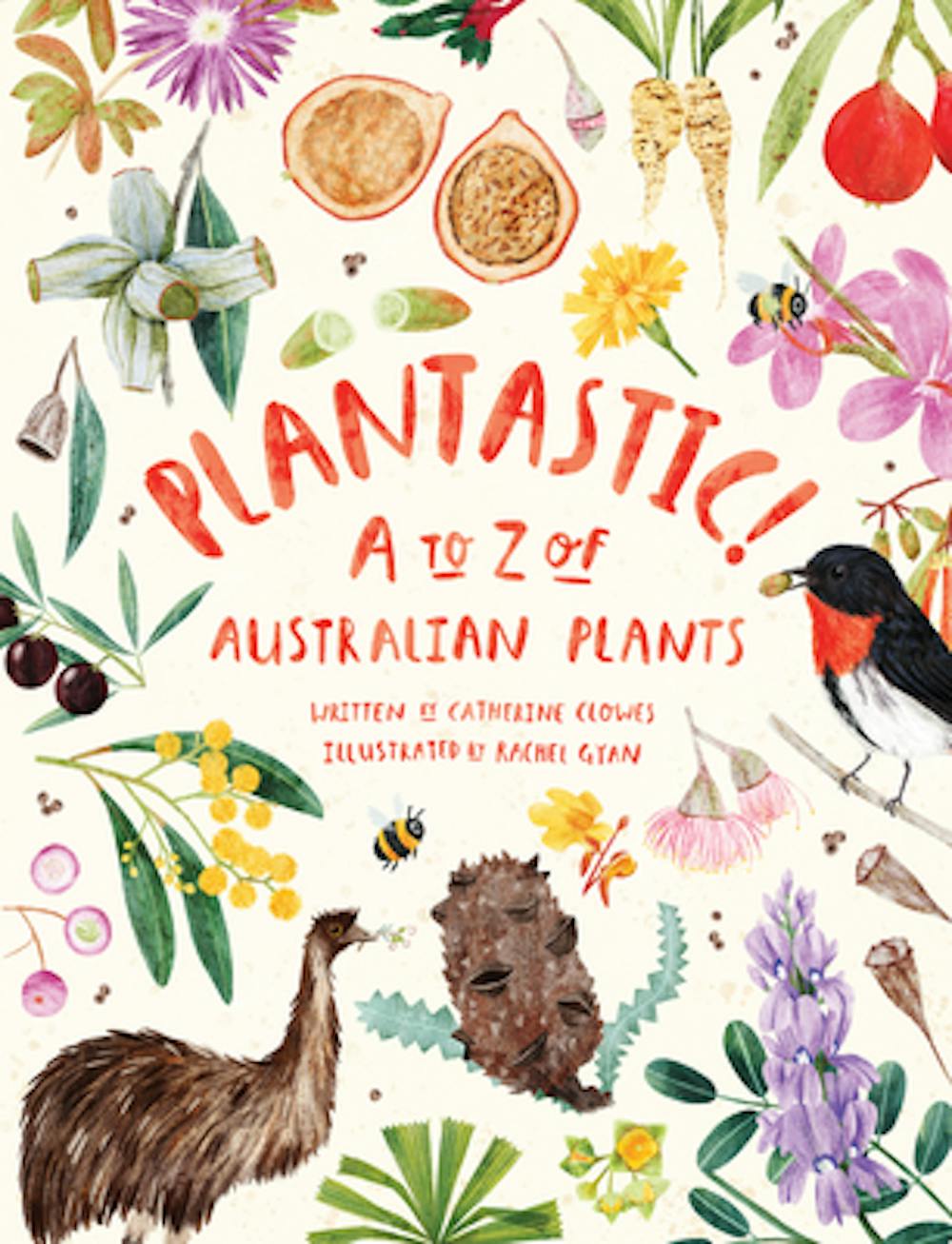
Finally, Plantastic! A new A-Z to 26 of Australia’s most unique and incredible native plants by Catherine Clowes and Rachel Gyan deserves a mention. Its not only about trees, but suggests some great activities that will encourage Australian kids to get out into nature and explore the wonder of plants.
Goodreads
I found it less engaging than his earlier book Can you hear the trees talking which is structured around curious questions like “How do trees make babies?” or “Is there a forest internet?”.
Finally, Plantastic! A new A-Z to 26 of Australia’s most unique and incredible native plants by Catherine Clowes and Rachel Gyan deserves a mention. Its not only about trees, but suggests some great activities that will encourage Australian kids to get out into nature and explore the wonder of plants.
Authors: Kathryn Williams, Professor in environmental psychology, School of Ecosystem and Forest Sciences, The University of Melbourne


 Daily Bulletin


