

Can climate laggards change? Russia, like Australia, first needs to overcome significant domestic resistance
- Written by: Ellie Martus, Lecturer in Public Policy, Centre for Governance and Public Policy, Griffith University
Former US president Barack Obama took specific aim at Russia at the Glasgow COP26 climate talks this week. According to Obama, the fact Russian President Vladimir Putin (as well as Chinese President Xi Jinping) declined to attend the conference reflects “a dangerous absence of urgency, a willingness to maintain the status quo” on climate action.
As the world’s fourth-largest emitter of greenhouse gases and one of the world’s top coal, oil, and gas producers and exporters, Russia is a key player in international climate action. Decarbonisation of carbon-intensive economies like Russia is crucial to reaching global emissions targets.
But like Australia, Russia is seen as an international climate laggard, and must overcome significant resistance to genuine climate policy reform at home.
Despite vastly different political systems, we can draw interesting parallels between Russia and Australia on the climate front.

Read more: To reach net zero, we must decarbonise shipping. But two big problems are getting in the way
Russia’s international participation on climate
In a surprise announcement two weeks out from COP26, Putin said Russia will aim to achieve carbon neutrality by 2060. But his decision not to attend COP26 dealt a blow to the summit’s prospects of success.
Russia has long been a reluctant participant in international climate change negotiations. It refused to ratify the Kyoto Protocol until 2004, then failed to sign up for Kyoto’s second commitment period. Similarly, Russia signed the Paris Agreement in 2016, but delayed its final decision on ratification until late 2019.
That’s despite a long tradition of Russian climate science research dating back to the Soviet period.
In the end, ratifying the Paris Agreement was an easy political win, given how weak Russia’s commitments under the agreement are.
Russia’s updated NDC (nationally determined contribution, meaning the action it will take to meet its climate commitments) was submitted in November 2020. It sets an emissions reduction target of 70% relative to 1990 levels by 2030.
The target sounds ambitious but the nation’s economic decline in the 1990s, and subsequent fall in greenhouse gas emissions, means it’s easily achievable. This target also leverages the capacity of Russia’s forests to absorb CO₂, though many scientists dispute the extent of this.
So what explains Russia’s limited commitments to date? The domestic politics surrounding climate change offer clues.
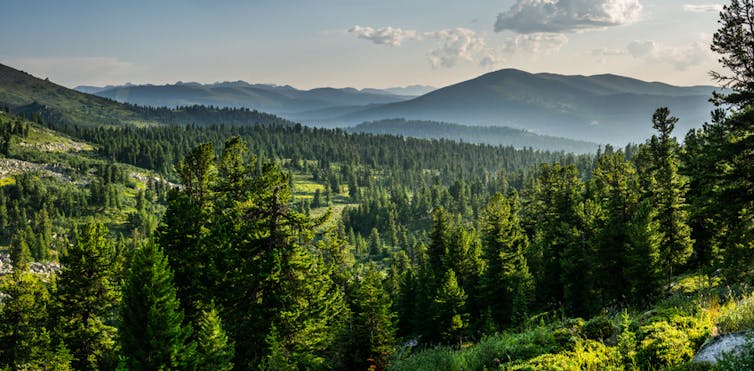
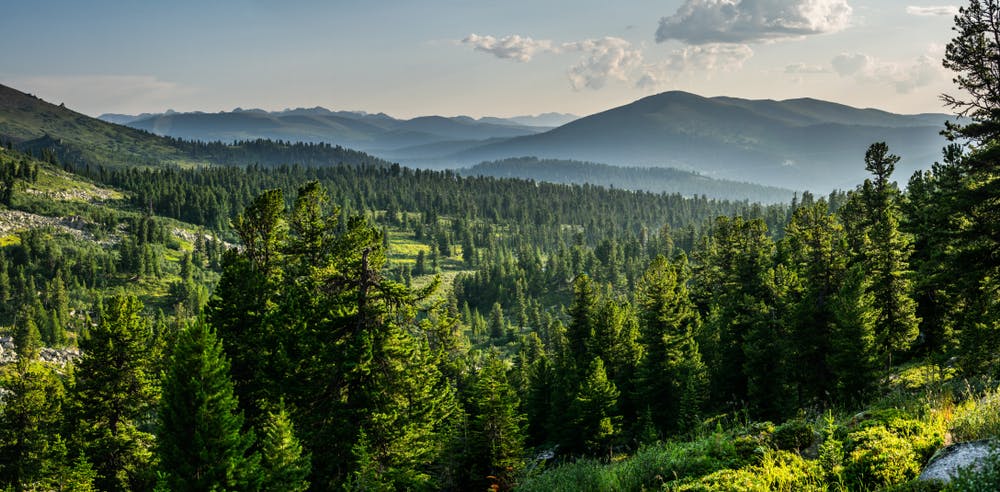 Russia’s target also leverages the capacity of its forests to absorb CO₂, though many scientists dispute the extent of this.
Shutterstock
Russia’s target also leverages the capacity of its forests to absorb CO₂, though many scientists dispute the extent of this.
Shutterstock
Domestic climate politics and obstacles to reform
Domestic politics on climate change in Russia are fiercely contested, with key individuals and groups competing for influence. These debates occur mostly at an elite level, with little space given to civil society actors.
Attempts to strengthen domestic climate policy in the past have been met with strong opposition from powerful economic interests.
The coal industry remains one of the most significant obstacles to reform. At a time when a growing number of countries are committed to phasing out coal, Russia is actively seeking to expand its industry. The coal industry has close links with key government ministries, including the powerful ministry for energy. The industry has successfully lobbied for subsidies and state support.
Coal politics in Russia are made more complex by the heavy dependence on coal for employment and heating in certain regions, such as the Kuzbass in Siberia. Attempts to wind down the industry would meet significant opposition from locals and regional elites.
Oil and gas companies are moving ahead with their plans to expand into the Arctic, with a warming climate making the region more accessible. Revenues from oil and gas exports make up a significant portion of Russia’s budget, so its highly unlikely Russia will give this up anytime soon.
Putin’s own position on climate has been ambiguous. He and other members of the elite often portray Russia as a global climate leader and “ecological donor” due to its vast forest resources.
However, Russia’s limited policy commitments to date make such statements little more than symbolic.
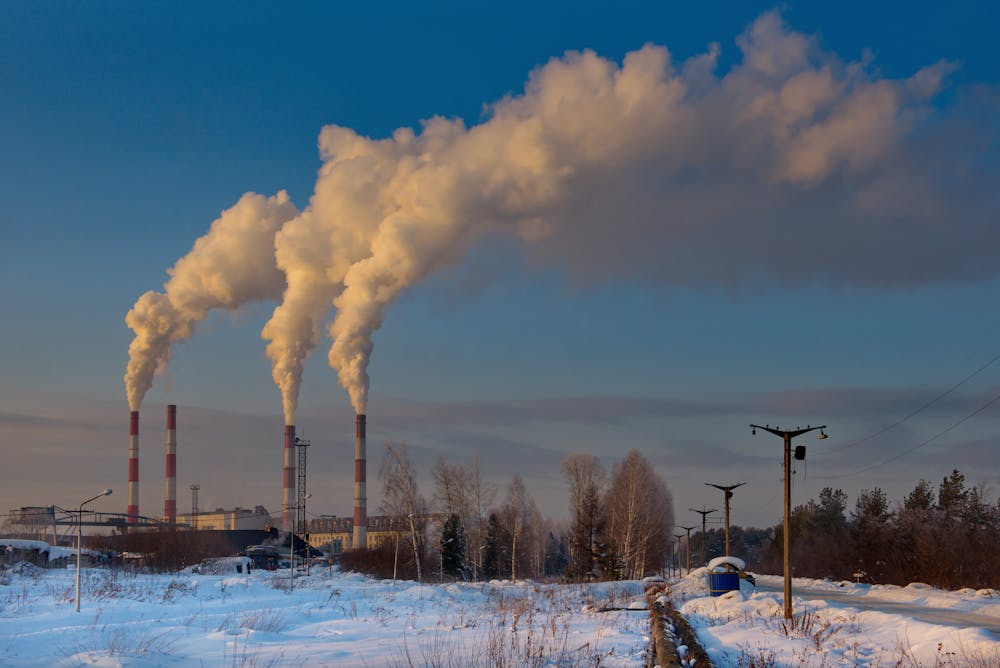 Coal politics in Russia are made even more complex by the heavy dependence on coal for employment and heating in certain regions, such as the Kuzbass in Siberia.
Shutterstock
Coal politics in Russia are made even more complex by the heavy dependence on coal for employment and heating in certain regions, such as the Kuzbass in Siberia.
Shutterstock
Recent political shifts
More recently however, we’ve seen some important developments which suggest a shift may be occurring.
A pro-climate lobby is emerging around the ministry for economic development and other government actors. They take a pragmatic view of climate change and acknowledge the economic cost to Russia of doing nothing.
International pressures are also mounting.
The EU’s Carbon Border Adjustment Mechanism (which puts a carbon price on certain imports) has many in the Russian government concerned, given the significant impact anticipated for key Russian exports. Some in government have also questioned the long-term viability of coal given global decarbonisation trends.
Two of Russia’s major state owned corporations, Rosatom and Gazprom, are at the forefront of an attempt to reposition Russia as a renewable energy superpower, centred on the expanding hydrogen and nuclear industries. Both provide Russia with potential to generate significant export revenues.
Support for a more active stance on climate has also come from some of Russia’s largest private companies. Groups such as EN+ and Rusal have made their own net-zero by 2050 commitments, keen to demonstrate their climate credentials to environmentally sensitive international markets.
This newfound momentum has led to a number of important policy developments, culminating in the net-zero by 2060 announcement. So while the obstacles remain huge, there has been a discernible shift in Russia’s approach to climate change.
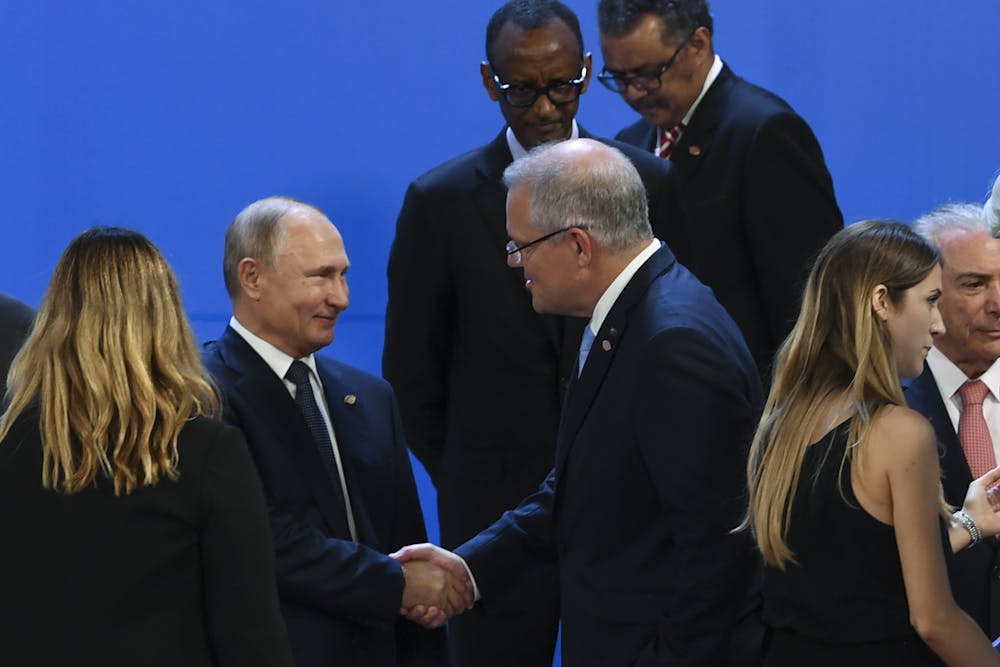 Both Australia and Russia have elements of strong resistance at a domestic level, particularly in the coal industry.
LUKAS COCH/AAP
Both Australia and Russia have elements of strong resistance at a domestic level, particularly in the coal industry.
LUKAS COCH/AAP
What can Australia learn?
Both Australia and Russia are regarded as climate laggards and face increased international criticism over their lack of policy ambition.
Both have elements of strong resistance to climate action at a domestic level, particularly in the coal industry. But both also have corporate players acting to reduce emissions in spite of government policy inaction.
While much attention has been focused on net zero targets, little detail has been given by either country about how these will be achieved. And neither Russia nor Australia’s net zero commitments say anything about exported emissions.
Ambitious declarations mean nothing if they’re not backed by serious policy reform. Promises aside, significant work needs to be done in both nations to address the gap between vague, high-level commitments and concrete, implementable policies.
Read more: Scott Morrison is hiding behind future technologies, when we should just deploy what already exists
Authors: Ellie Martus, Lecturer in Public Policy, Centre for Governance and Public Policy, Griffith University


 Daily Bulletin


