

Has COVID affected your sleep? Here’s how viruses can change our sleeping patterns
- Written by: Gemma Paech, Conjoint Senior Lecturer, School of Medicine and Public Health, University of Newcastle
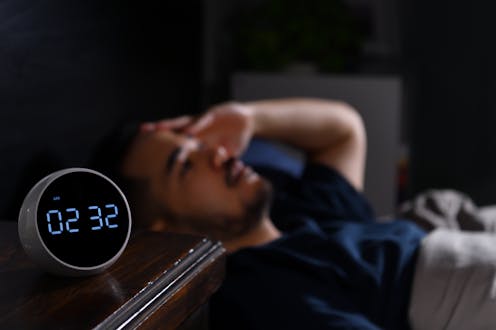
During the early phases of the pandemic, and especially during lockdowns and stay-at-home orders, many people reported disruptions to sleep and their sleeping patterns. As COVID infections have increased, we’re again seeing reports of people experiencing poor sleep during and following COVID infection.
Some people report insomnia symptoms, where they struggle to fall or stay asleep, with this commonly being referred to as “coronasomnia” or “COVID insomnia”. Others report feeling constantly fatigued, and seemingly can’t get enough sleep, with this sometimes being referred to as “long COVID”.
So why is our sleep impacted by COVID infections, and why do the impacts differ so much between individuals?
Sleep and immunity
When our body is infected with a virus this causes an immune, or inflammatory response. As part of this response, our cells produce proteins such as cytokines in order to help fight the infection. Some of these cytokines are also involved in promoting sleep and are known as “sleep regulatory substances”. In this way, when there are more of these cytokines in our bodies this tends to make us sleepier.
It gets a little more complicated though, because like many things, sleep and immunity are bidirectional. This means sleep, in particular poor sleep, can impact immune function, and immune function can impact sleep. During sleep, especially during the non-rapid eye movement stage slow wave sleep (a deep stage of sleep), there is an increase in the production of some cytokines. As such, sleep increases the immune response which may increase our chance of survival from the infection.
Sleep and COVID
While we are still learning about the specific effects of COVID on sleep, we do know about what happens to sleep with other viral infections.
One study that looked at rhinovirus infections, or the “common cold”, in healthy adults, found individuals who are symptomatic had a reduced sleep duration, less consolidated sleep, and poorer cognitive performance than asymptomatic individuals.
Another study that looked at people with respiratory infections showed that while symptomatic, people spent more time in bed and had increased sleep time, yet had more awakenings during sleep. People also reported increased difficulties falling asleep, poorer sleep quality, more restless sleep and more “lighter” sleep.
A more recent study found patients with COVID reported more trouble sleeping compared to patients without COVID.
COVID insomnia and long COVID
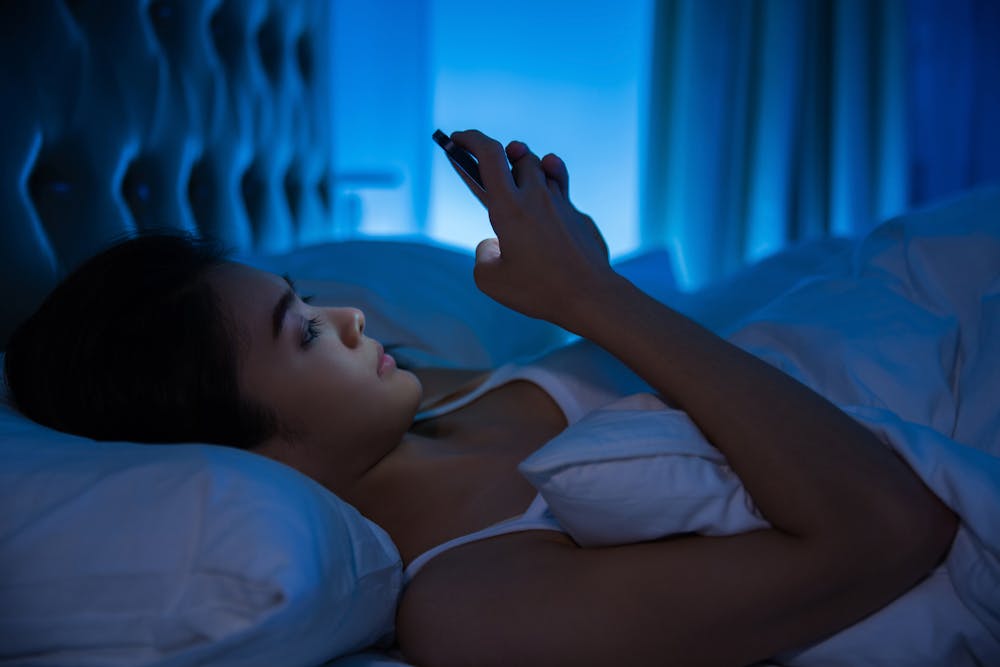
While the changes in sleep with viral infections such as COVID are likely to be due to our bodies’ immune response, it’s possible the sleep disturbances, such as the fragmented sleep and waking frequently, may lead to poor sleep habits, such as using phones or electronic devices at night.
Poorer night time sleep may also lead to some people having more frequent daytime naps, which could further impact night time sleep. And taking longer to fall asleep, or waking up at night and struggling to fall back asleep can lead to frustrations around not being able to sleep.
All of these factors, either independently or in combination with each other, may lead to the insomnia symptoms people with COVID are experiencing. In the short-term, these insomnia symptoms are not really a big issue. However, if poor sleep habits persist this can lead to chronic insomnia.
Read more: Explainer: what is insomnia and what can you do about it?
On the other side, there are people who experience long COVID, where they are constantly fatigued even though they may be getting sufficient sleep well after their COVID infection has passed. Unfortunately, more research is needed to determine why some people experience lingering fatigue after viral infections, but it may be due to an excessive immune response.
Factors such as genetics, other health concerns and mood disorders such as anxiety are the likely culprits as to why some people experience “COVID insomnia”, whereas others are more likely to develop “long COVID”. Much more research is needed to fully understand the causes of poorer sleep with COVID.
How to deal with sleep disruptions caused by COVID
During the acute phase of infections, it’s important to accept we may experience some sleep disturbances. Try not to get too frustrated about sleeping poorly or taking longer to fall asleep.
When you start to feel better, aim to go back to your regular, pre-COVID, sleep-wake pattern, and avoid daytime napping, or at least too much daytime napping. Try to avoid looking at the clock when in bed, and go to bed when you feel sleepy. Reduce light exposure at night, and aim to get some bright light in the morning, ideally outdoors. This will help you get back to a normal routine faster.
For more tips on how to improve sleep and to avoid chronic insomnia, the Sleep Health Foundation has some resources specifically dedicated to COVID and sleep. If you’re still struggling with insomnia or excessive sleepiness following a COVID infection, especially if it’s been a few months, it’s always good to see your GP, who can offer you more specific advice and work out if more testing is required.
Authors: Gemma Paech, Conjoint Senior Lecturer, School of Medicine and Public Health, University of Newcastle


 Daily Bulletin


