

How is decaf coffee made? And is it really caffeine-free?
- Written by: Lauren Ball, Professor of Community Health and Wellbeing, The University of Queensland
Coffee is one of the most popular drinks in the world, and its high levels of caffeine are among the main reasons why. It’s a natural stimulant that provides an energy buzz, and we just can’t get enough.
However, some people prefer to limit their caffeine intake for health or other reasons. Decaffeinated or “decaf” coffee is widely available, and its consumption is reported to be on the rise.
Here’s what you need to know about decaf coffee: how it’s made, the flavour, the benefits – and whether it’s actually caffeine-free.
Read more: Health Check: four reasons to have another cup of coffee
How is decaf made?
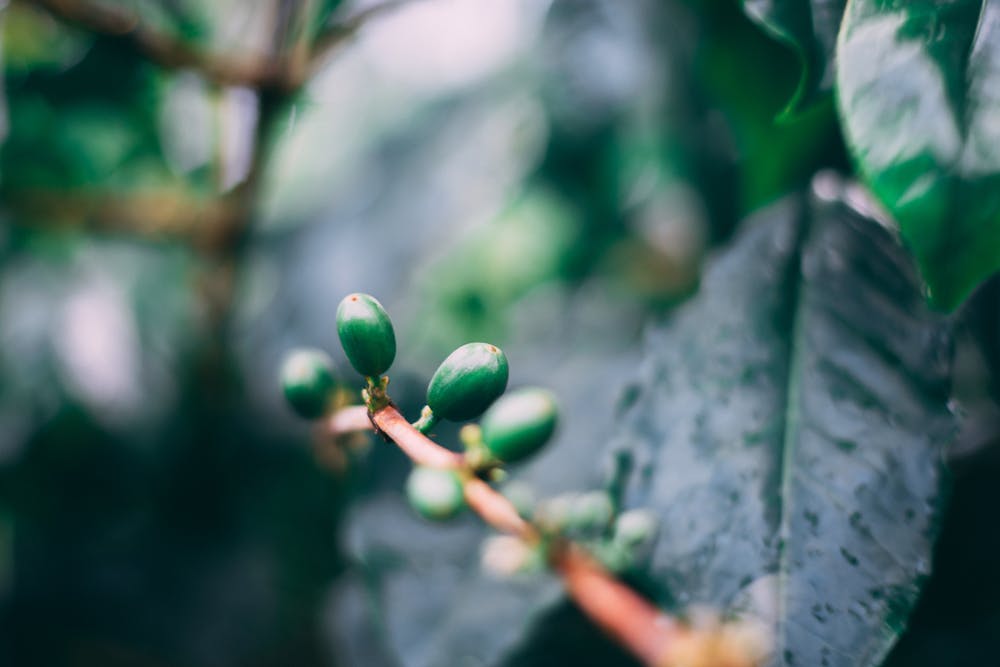
Removing caffeine while keeping a coffee bean’s aroma and flavour intact isn’t a simple task. Decaf coffee is made by stripping green, unroasted coffee beans of their caffeine content and relies on the fact that caffeine dissolves in water.
Three main methods are used for removing caffeine: chemical solvents, liquid carbon dioxide (CO₂), or plain water with special filters.
The additional steps required in all of these processing methods are why decaf coffee is often more expensive.
Solvent-based methods
Most decaf coffee is made using solvent-based methods as it’s the cheapest process. This method breaks down into two further types: direct and indirect.
The direct method involves steaming the coffee beans and then repeatedly soaking them in a chemical solvent (usually methylene chloride or ethyl acetate) which binds to the caffeine and extracts it from the beans.
After a pre-determined time, the caffeine has been extracted and the coffee beans are steamed once more to remove any residual chemical solvent.
The indirect method still uses a chemical solvent, but it doesn’t come into direct contact with the coffee beans. Instead, the beans are soaked in hot water, then the water is separated from the beans and treated with the chemical solvent.
The caffeine bonds to the solvent in the water and is evaporated. The caffeine-free water is then returned to the beans to reabsorb the coffee flavours and aromas.
The solvent chemicals (particularly methylene chloride) used in these processes are a source of controversy around decaf coffee. This is because methylene chloride is suggested to be mildly carcinogenic in high doses. Methylene chloride and ethyl acetate are commonly used in paint stripper, nail polish removers and degreaser.
However, both the Australian New Zealand Food Standards Code and the United States Food and Drug Administration permit the use of these solvents to process decaf. They also have strict limits on the amount of the chemicals that can still be present on the beans, and in reality practically no solvent is left behind.
Non-solvent-based methods
Non-solvent-based methods that use liquid carbon dioxide or water are becoming increasingly popular as they don’t involve chemical solvents.
In the CO₂ method, liquid carbon dioxide is pumped into a high-pressure chamber with the beans, where it binds to the caffeine and is then removed through high pressure, leaving behind decaffeinated beans.
The water method (also known as the Swiss water process) is exactly what it sounds like – it involves extracting caffeine from coffee beans using water. There are variations on this method, but the basic steps are as follows.
For an initial batch, green coffee beans are soaked in hot water, creating an extract rich in caffeine and flavour compounds (the flavourless beans are then discarded). This green coffee extract is passed through activated charcoal filters, which trap the caffeine molecules while allowing the flavours to pass through.
Once created in this way, the caffeine-free extract can be used to soak a new batch of green coffee beans – since the flavours are already saturating the extract, the only thing that will be dissolved from the beans is the caffeine.
Is caffeine fully removed from decaf?
Switching to decaf may not be as caffeine free as you think.
It is unlikely that 100% of the caffeine will be successfully stripped from the coffee beans. Just like the caffeine content of coffee can vary, some small amounts of caffeine are still present in decaf.
However, the amount is quite modest. You would need to drink more than ten cups of decaf to reach the caffeine level typically present in one cup of caffeinated coffee.
Australia does not require coffee roasters or producers to detail the process used to create their decaf coffee. However, you might find this information on some producers’ websites if they have chosen to advertise it.
Does decaf coffee taste different?
Some people say decaf tastes different. Depending on how the beans are decaffeinated, some aromatic elements may be co-extracted with the caffeine during the process.
Caffeine also contributes to the bitterness of coffee, so when the caffeine is removed, so is some of the bitterness.
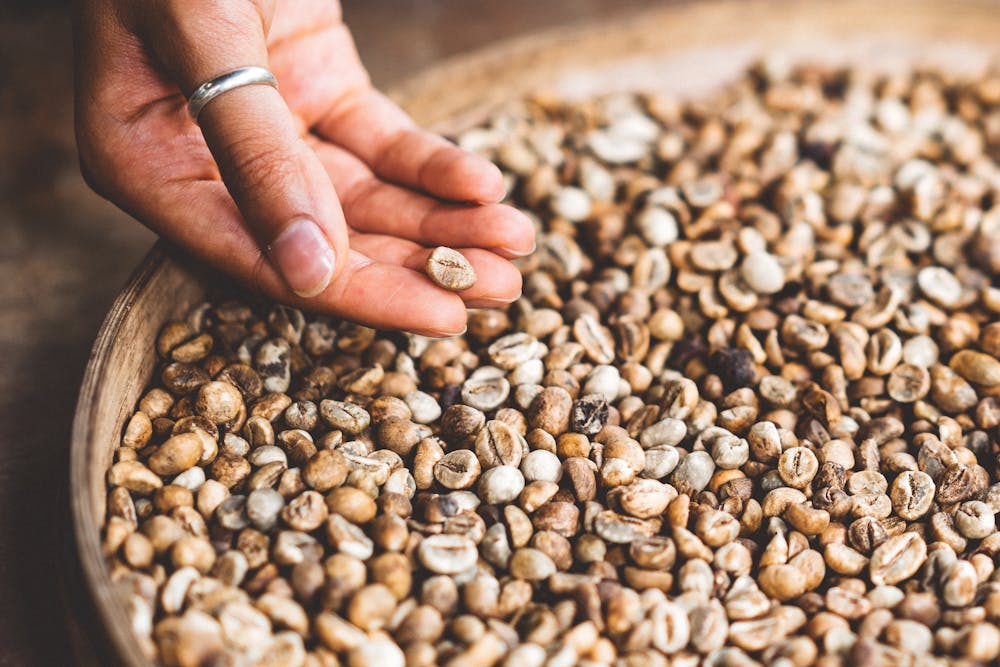 Caffeine contributes some of the bitterness of coffee, but there are also plenty of flavour compounds that develop in green beans as they are roasted to a rich, dark brown.
Joshua Newton/Unsplash
Caffeine contributes some of the bitterness of coffee, but there are also plenty of flavour compounds that develop in green beans as they are roasted to a rich, dark brown.
Joshua Newton/Unsplash
Do caffeinated and decaf coffee have the same health benefits?
The health benefits found for drinking decaf coffee are similar to that of caffeinated coffee, including a lower risk of type 2 diabetes, some cancers and overall mortality. More recently, coffee has been linked with improved weight management over time.
Most of the health benefits have been shown by drinking three cups of decaf per day.
Moderation is key, and remember that the greatest health benefits will come from having a balanced diet.
Read more: Can coffee help you avoid weight gain? Here's what the science says
Authors: Lauren Ball, Professor of Community Health and Wellbeing, The University of Queensland
Read more https://theconversation.com/how-is-decaf-coffee-made-and-is-it-really-caffeine-free-215546


 Daily Bulletin


