

On fisheries, Australia must be prepared for New Zealand as opponent rather than ally
- Written by: Lynda Goldsworthy, Research Associate, University of Tasmania
On February 1, senior Australian and New Zealand ministers signed a Joint Statement of Cooperation, acknowledging the long history of collaboration between the two nations.
The same week, New Zealand rejected an Australian proposal on sustainable fishing at the annual fisheries meeting of nations that fish in the high seas of the South Pacific. The move has driven a wedge between these traditional allies.
At stake was an agreement by those nations to protect 70% of special and vulnerable marine ecosystems, such as ancient corals, from destructive fishing practices like bottom-trawling.
Until December 2023, NZ was jointly leading the work to implement this agreement with Australia. But New Zealand’s new government, a coalition of conservative parties, rejected the proposed restrictions, citing concerns about jobs and development.
This sudden about-face raises many questions for Australia, and for progress on sustainable fishing more generally. On fishing, Australia must now be prepared to consider New Zealand an opponent rather than ally.
In 2009, Australia, New Zealand and Chile led successful negotiations for a convention governing sustainable fishing in the South Pacific high seas beyond a nation’s marine exclusive economic zones, meaning more than 370km off the coast. The goal was to make sure fish stocks were not fished out and to protect marine ecosystems. (Tuna are not included, as they are dealt with under a separate convention.)
Since then, New Zealand and Australia have led much of the development of regulations governing the sustainable use of deepwater fish species and the conservation of vulnerable marine ecosystems in the South Pacific region. Their work led to the first measures governing deepwater fisheries, science-based catch limits for deepwater species, and a joint assessment of seafloor fishing methods such as trawling.
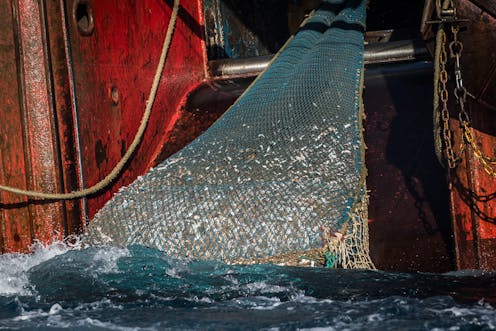
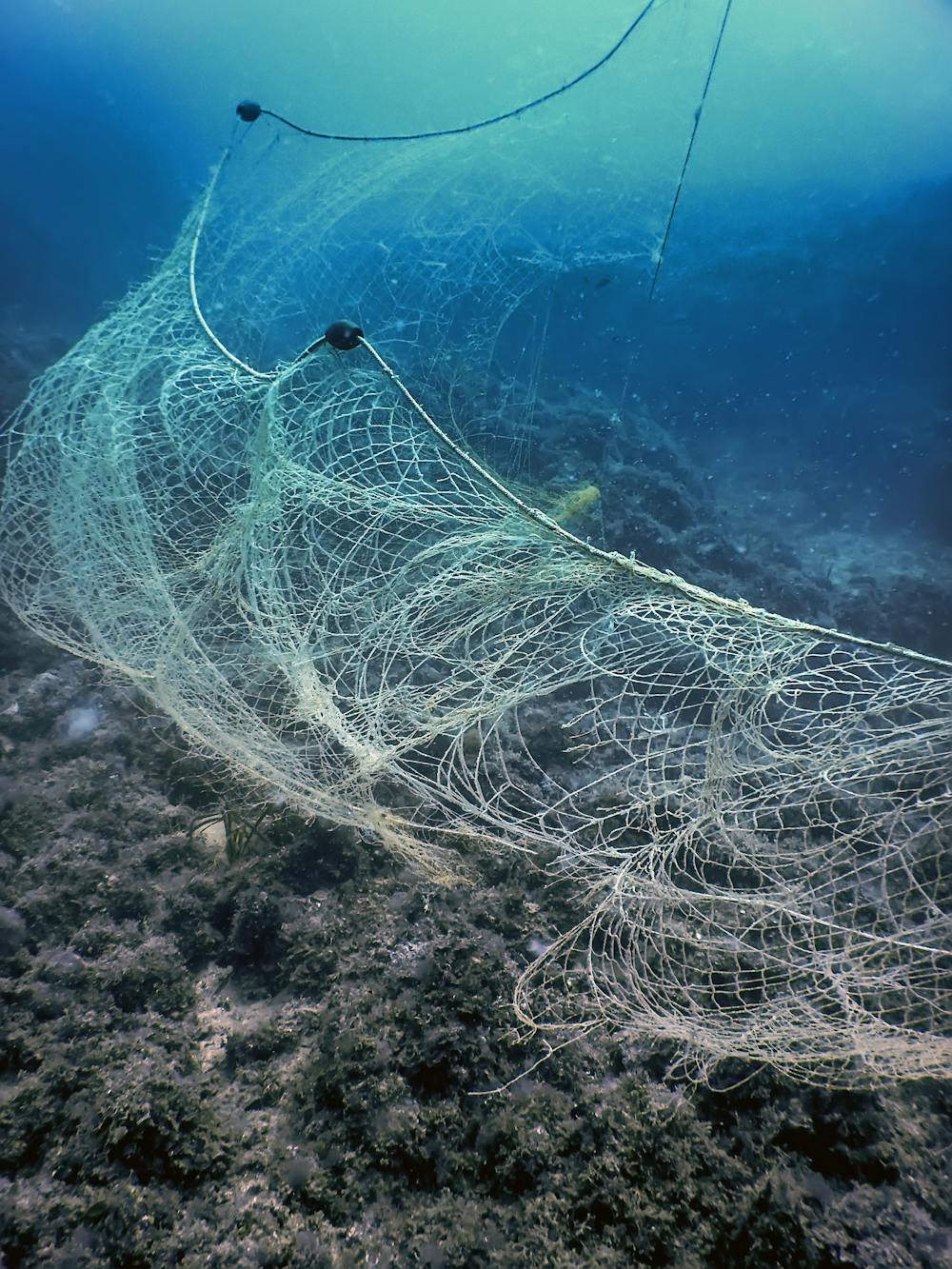
But the idea of banning or restricting trawling was controversial. Bottom-trawling, in which boats deploy giant nets that scrape along the ocean floor, is very effective – so much so that it can devastate everything in its path.
In 2015, the United Nations’ first worldwide ocean assessment found bottom-trawling causes widespread, long-term destruction to deep-sea environments wherever it is done. Scientists have compared it to clear-felling a forest. The practice is banned in the Mediterranean and in shallow waters of the Southern Ocean, and is increasingly restricted by many nations, including Australia.
The UN has repeatedly called for better protection, as well as specific actions to make it a reality. And many nations and organisations are heeding that call.
Read more: We now have a treaty governing the high seas. Can it protect the Wild West of the oceans?
The science is clear. But the politics is not. International waters in the South Pacific are one of the few areas where deepwater bottom-trawling is still permitted on seamounts – underwater mountains rich in life – and similar features.
Last year, South Pacific nations agreed to protect a minimum of 70% of marine ecosystems vulnerable to damage from fishing. This agreement came from research done largely by New Zealand.
Other countries pushed for a higher level of protection, but New Zealand insisted on 70% to ensure its fishing could continue. These kinds of compromises are common at meetings like this.
The meeting in February was meant to agree on how to make the consensus decision a reality. But it was not to be. Now that NZ has withdrawn support, the original decision remains but without the mechanisms to make it happen. Bottom-trawling will likely continue in the South Pacific.
Why? The new NZ fisheries minister, Shane Jones, has publicly stated he was “keen to ensure that, number one, we’re looking after our own people, looking after jobs and opportunities for economic development to benefit New Zealand.”
While high seas fishing is an important industry for New Zealand, their bottom trawling activity in the South Pacific is small. One vessel fished the bottom in 2021-2022, catching only 20 tonnes of orange roughy. No bottom trawling has happened since then.
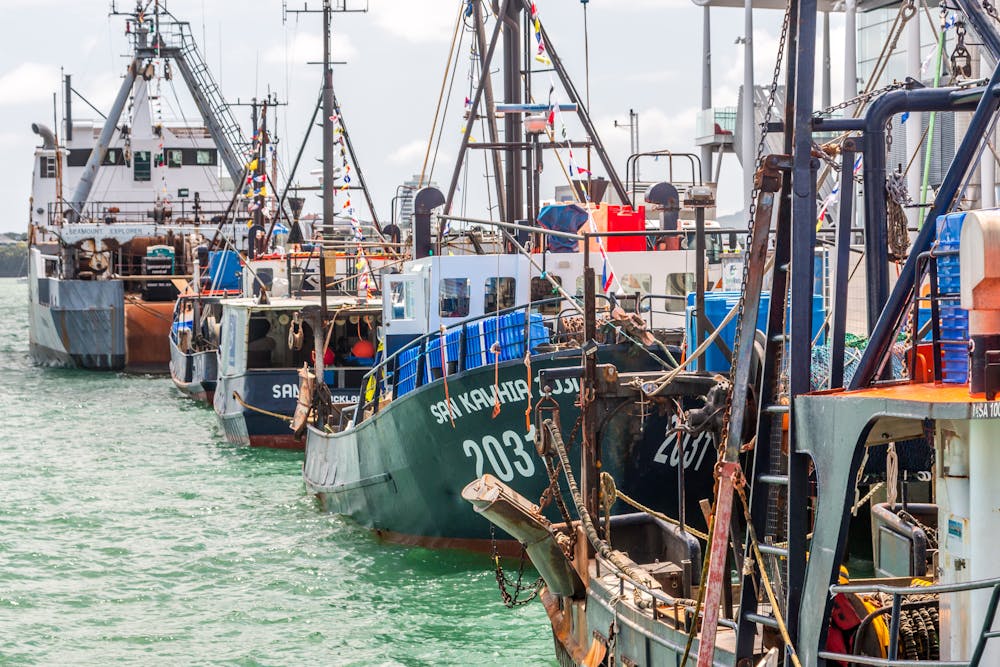 New Zealand’s seafood exports are economically important.
krug_100/Shutterstock
New Zealand’s seafood exports are economically important.
krug_100/Shutterstock
Since coming to power, New Zealand’s new government has questioned 2030 renewable energy targets, promised to “address climate change hysteria”, declared mining more important than nature protection – and supported bottom-trawling.
Many of these changes will be of considerable concern to Australia. For the past 15 years, Australia has taken a prominent leadership role – alongside New Zealand – in sustainable ocean management.
With Pacific island nations, Australia and NZ worked long and hard to progress the High Seas Treaty – a breakthrough opening new legal avenues to protect up to 30% of the unregulated high seas where illegal and exploitative fishing practices are common.
The NZ government’s willingness to jettison long collaborative work, abandon agreed commitments and risk existing agreements bodes poorly for cooperation across the Tasman. Australia must sadly now treat New Zealand as an opponent when it comes to protecting the seas and managing fisheries for the long term.
Read more: We now have a treaty governing the high seas. Can it protect the Wild West of the oceans?
Authors: Lynda Goldsworthy, Research Associate, University of Tasmania


 Daily Bulletin


