

Refugees in Australia are miles behind in health and wellbeing outcomes. Here’s why
- Written by: Abela Mahimbo, Senior Lecturer in Public Health, University of Technology Sydney
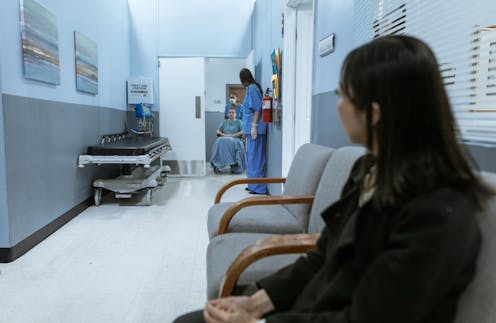
Health outcomes for refugees and people with humanitarian visas are far worse than the general Australian population. They are more likely to self-report long-term conditions, including diabetes (80% higher), kidney disease (80%), stroke (40%) and dementia (30%).
Among hospitalisations for refugees and humanitarian migrants, one in 14 are for potentially preventable conditions. New data shows that when it comes to COVID, they are five times more likely than permanent migrants to be hospitalised.
And those who’ve been held for long periods in immigration detention shoulder significant health-care costs – an estimated 50% higher than other asylum seekers.
Why is the health of refugees and humanitarian entrants so much worse than the rest of the country? And what can we do about it?
Higher risk of physical and mental health issues
Health is a fundamental human right. But refugees and humanitarian entrants in Australia face multiple challenges that limit their ability to fully enjoy this right.
Compared with the rest of the population, people in Australia who hold humanitarian visas are at a higher risk of physical and mental health issues. Factors contributing to this are complex, interrelated and interconnected.
People fleeing persecution are more likely to have experienced significant human rights violations, torture and trauma, which impacts their mental health and wellbeing.
While in exile, they are also likely to have experienced precarious living conditions with limited access to water, sanitation and hygiene, as well as food insecurity and limited access to basic health care.
These can lead to significant health issues. The most common include:
- mental illnesses
- nutritional deficiencies
- infectious diseases
- under-immunisation
- poor oral and eye health
- poorly managed chronic diseases
- delayed growth and development in children.
These conditions may require immediate care or long-term management – or both.
One study measured the burden of mental health diseases – such as post-traumatic stress disorder (PTSD) – on refugees and humanitarian migrants in Australia over five years. It found more than 34% had either PTSD or elevated psychological distress.
Persistent mental illness was associated with loneliness, discrimination, insecure housing, financial hardship and chronic health conditions.
3 gaps for refugees
People from refugee backgrounds have unique health and cultural beliefs, practices, and needs that are often not well understood by health-care providers. These unique needs can affect the quality of care they receive.
1. Language barriers
Most refugees and humanitarian entrants have limited English proficiency and some have limited written literacy in their own languages.
This can make navigating health-care settings a challenge. Difficulties understanding diagnoses, treatment options, and the need for follow-up can especially complicate chronic health issues such as diabetes and high blood pressure, which need ongoing monitoring and treatment.
While the government funds translating and interpreting services, research shows they are often underused and inefficient. Accessing interpreting for smaller or emerging groups can also be more challenging, as services tend to cater to established language groups.
Language barriers can also limit job opportunities and lead to financial pressure, with a ripple effect in overall health and wellbeing.
2. Health literacy
Health literacy is the ability to access, understand and use health information to make more informed decisions about our health. It is linked to improved self-reported health status, lower health-care costs, increased health knowledge, and reduced hospitalisation.
Some refugees and humanitarian entrants have limited health literacy, associated with poor health outcomes.
A study we undertook during the early stages of the pandemic with Arabic, Karen, Dari and Dinka-speaking refugees showed participants with lower health literacy were less willing to receive COVID vaccines. Their scepticism about the vaccine and the virus was further affirmed by conspiracy theories and misinformation online.
3. Continuity of care
Patients from refugee backgrounds can fall through the cracks when services are not well coordinated or can’t be followed up.
For example, Australia’s National Immunisation Program schedule for children is very comprehensive compared with other countries. But many childhood vaccinations require multiple doses over time. When the need for follow-up appointments is not communicated properly – or recall systems aren’t culturally appropriate – they may be missed.
Looking to the future
Improving health and wellbeing for refugees and humanitarian entrants is complex. We need strong foreign policy that promotes stability and basic services overseas, as well as humanitarian aid for crises.
In Australia, non-medical factors also influence health outcomes. They include housing, secure employment, working conditions, social inclusion, safety from discrimination and general literacy, as well as health literacy.
We need to recognise and draw on the protective factors that are strongly linked to the health and wellbeing of people from refugee backgrounds. These include things such as social connectedness, resilience, a sense of belonging and identity, and adapting to a new culture.
We need further research into what helps and hinders refugee health and wellbeing. It must involve people of refugee backgrounds, community organisations and academic institutions.
Our health-care services need to be responsive, sensitive and inclusive. This is imperative in meeting the unique cultural and social needs of people of refugee backgrounds.
Authors: Abela Mahimbo, Senior Lecturer in Public Health, University of Technology Sydney


 Daily Bulletin


