

People with brain injuries have a high risk of romance scams. ‘Scambassadors’ can help shed stigma
- Written by: Kate Gould, Senior Research Fellow and Clinical Neuropsychologist, Monash University
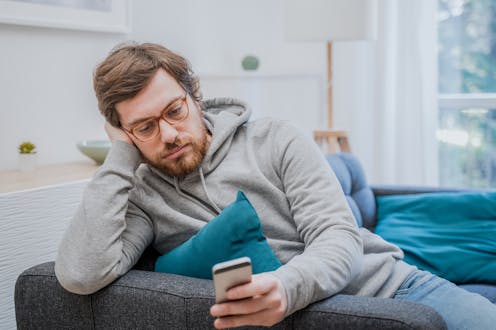
Romance scams – where scammers create fake identities and use dating or friendship to get your trust and money – cost Australians A$201 million last year.
But the emotional impact of romance scams can often feel worse than losing money. Those who have been scammed may experience shame and embarrassment and have difficulty accepting the relationship wasn’t real.
People who have acquired a brain injury, for example after a stroke or car accident, may be more vulnerable to these scams. My research with colleagues shows they are often less aware of scams and find it harder to recognise red flags.
But our project has found there are benefits when people with brain injuries who have been scammed share their experiences. It can create awareness, reduce stigma and help prevent future scams.
Some groups are more vulnerable
Anyone can be scammed. But some groups are more at risk, including people with a disability such as an acquired brain injury.
We surveyed 101 clinicians in Australia and New Zealand who work with people who have acquired brain injuries. More than half (53%) had a client who had been affected by a cyberscam. The most common type was a romance scam.
How do romance scams work?
Romance scams involve a scammer (or sometimes multiple people) luring someone into a fake relationship in order to exploit them, often to get money. Scammers may use online dating platforms to connect, or social media, gaming and even online shopping sites.
Romance scammers build trust and strong emotions using techniques such as love bombing (early and frequent declarations of affection), grooming and manipulation over an extended period of time. They share common interests and even similar types of trauma to make people trust them. As a romance scam survivor with an acquired brain injury explained:
My way of thinking was sort of skewed because all I seen was love, the money, all the things I wanted, so I didn’t worry about all the other little stuff.
The identity of the scammer usually appears very attractive and trustworthy but is often fake, stolen from a real person or AI-generated. They present lots of evidence and exciting details about their everyday life to appear real and keep people hooked into the relationship.
Scammers use pre-written scripts with compelling narratives describing significant financial success, being a widower or orphan, or working overseas to attract people. Flirty language and flattery makes people want to keep communicating with the scammer. They might tell you they think you have a beautiful smile and their dog or cat would love you.
Scammers will invest weeks and months to build up a connection, then scammers present exciting “opportunities”. These may include investments and requests to cover international flights for a first meet-up. Or paying for medical bills for a sick relative. As a scam survivor with an acquired brain injury explained:
She was really jumping into a kind of quite intimate relationship with me, even though we haven’t met yet, but she’s promising we will one day. All I need to do is send money.
Why are people with brain injuries more at risk?
One in 45 Australians lives with a brain injury acquired during an event such as car accident or stroke. This can damage a specific part of the brain, widespread brain cells (neurons), or both.
The impact of a brain injury varies but can affect cognition, emotions, behaviour and neurological functioning. As a result, people can experience changes in their ability to care for themselves, work, socialise and make complex decisions.
Cognitive difficulties – such as memory problems and reduced information processing – can make it harder to learn, notice and respond to scam red flags in real time. People may struggle to comprehend new or complex information, have reduced judgement and be more impulsive.
Like other vulnerable Australians, people with brain injury may also be bored, lonely and require care. This may mean the scammers’ constant online availability, messaging, attention, praise and acceptance of the person regardless of their disability is even more attractive.
Shame and embarrassment
People with acquired brain injuries may also struggle to move from knowing or intending to do something, to actually enacting that behaviour. This is called the frontal lobe paradox. As one of our interviewees explained:
I make some big realisations and then I forget about it, like … ‘don’t do that again’. And then I go and do it again.
When the scam is uncovered, family, friends and frontline services such as police and banks may respond with blame, judgement and ridicule. This contributes to further distress:
They just say how stupid I was for being conned.
Scams are likely under-reported to authorities such as Scamwatch as a result of shame and a lack of awareness about scams.
Family and clinicians of people with brain injury may cut or reduce their access to money or the internet, which adds to the scam’s financial and emotional impacts.
As one clinician explained:
The depression […] didn’t come from being scammed. It came from quite the opposite, almost like he […] feels like it’s his right to have access and leave himself open to those things.
Authentic partnerships with people with lived experience
Our research team has developed a suite of tailored resources called CyberAbility, which were co-designed with people who have brain injuries and experience of being scammed. We call them “Scambassadors”.
The Scambassadors alleviate some of the stigma and shame associated with being scammed, through conducting community education sessions, speaking with media, and co-facilitating therapy groups. They also spread awareness to other people with brain injuries about what to look out for – but the advice is helpful for everyone.
You can look out for signs someone in your life is being scammed. This could include a new unmet lover, major unexpected purchases or loans, or an increase in secrecy about online activities.
Approach difficult conversations about possible scams with curiosity, care and patience. Share your own experiences of being scammed or ripped off to normalise this and reduce judgement.
Whoever is scammed, the real fault lies with the criminals who commit this fraud. But regularly discussing scams can help reduce stigma and protect our community.
Authors: Kate Gould, Senior Research Fellow and Clinical Neuropsychologist, Monash University


 Daily Bulletin


