

The latest update on NZ’s state of the environment is sobering – but there are glimmers of progress
- Written by: Christina McCabe, PhD Candidate in Interdisciplinary Ecology, University of Canterbury
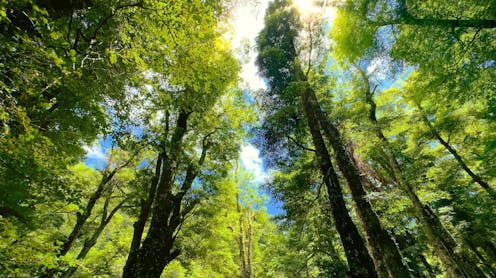
If left unaddressed, many environmental changes in Aotearoa New Zealand could threaten livelihoods, health, quality of life and infrastructure for generations to come, according to the latest update on the state of the environment.
The Ministry for the Environment and StatsNZ produce an environmental assessment every three years, collating data and trends on air quality, freshwater and marine environments, the land and climate.
The latest report shows that long-term drivers of change – including international influences, economic demands and climate change – mean many natural systems have become less resilient and are at risk of collapse. But it also highlights improvements in urban air quality and reduced waste flows to landfill.
Real risks to people, communities and places
Many environmental trends in New Zealand are sobering.
Soil erosion is increasing and continues to degrade downstream freshwater and marine ecosystems. Soils misplaced from land, including through landslides or gradual loss of topsoil, can threaten homes and infrastructure and reduce the potential for growing food or storing carbon.
Climate change is projected to increase erosion rates by up to 233%, depending on future emissions scenarios.
Native forests are most effective at reducing soil erosion, but exotic forests can also help. The report shows the area planted in exotic forest has increased by 12% (220,922 hectares) between 1996 and 2018, with most of this new area coming from exotic grassland.
Landfill contaminants, including leachates and microplastics, threaten soil health. New Zealand remains the highest producer of waste to landfill per capita among developed countries, but waste flows to landfill have dropped by 11% in 2023, compared with a 2018 peak.
The report offers another glimmer of progress. While air pollution still affects health, long-term air quality is gradually improving thanks to a shift away from cars with combustion engines.
Water quality and green spaces
What happens on land commonly flows into water, often affecting human health and recreation. The report shows that between 2019 and 2024, nearly half of all groundwater monitoring sites failed to meet drinking water standards for E. coli at least once. Nitrate concentrations also rose at around half of all sites.
Freshwater ecosystems are critically affected by the space we give them. Urban development can displace natural features such as wetlands and floodplains, which store water and provide a buffer against extreme weather events.
Four in five New Zealanders live in urban areas and the report shows green spaces have not kept up with population growth. Continued development near rivers and on floodplains, without maintaining natural buffers, increases risks to homes and infrastructure as flood extremes worsen with climate change.
Coastal areas face their own challenges. Rising seas and storm surges threaten not only homes and roads, but also culturally significant places. As many as 420 archaeological sites on public conservation land are at risk of coastal inundation and 191 marae are within one kilometre of the coast.
Livelihoods and biodiversity at risk
New Zealand is a globally significant biodiversity hotspot and natural landscapes are central to cultural identity. The land and waters, and species we share them with, are inseparable from Māori identity. The economy, from agriculture to tourism, also depends on thriving ecosystems.
But many pressures on biodiversity are worsening, according to the report. About 94% of native reptiles and 78% of native birds are threatened or at risk of extinction.
Extreme weather events (expected to increase with climate change) threaten food and fibre crops. The report estimates the recovery of these sectors from Cyclone Gabrielle will cost up to NZ$1.1 billion.
Pest species continue to damage ecosystems at a cost of $9.2 billion in 2019–20, including primary-sector losses of $4.3 billion.
Wilding conifers are a particular concern, having invaded an estimated two million hectares of land, primarily on the conservation estate. Without careful management, the report projects they could cover up to 25% of New Zealand’s land within 30 years.
Stories behind the numbers
For the first time, the ministry has released a companion report to share stories of hope.
It highlights the links between environmental challenges and how nature-based approaches can benefit both people and the environment.
In Tairāwhiti, for instance, a native forest restoration project is protecting Gisborne’s drinking water supply. A large block of commercial pine is being replaced with native forests to stabilise erodible land, filter water runoff before it reaches dams, and provide habitat for native flora and fauna.
In Auckland, the Making Space for Water program is restoring Te Auaunga (Oakley Creek), the city’s longest urban river. The work includes widening the river channel, removing restrictive structures and planting native vegetation to regenerate historical wetland habitats. Along with reducing flooding in the area, these changes provide improved recreational spaces for people.
The report notes the complexity of interactions between people and the natural environment, which means that many impacts cannot be seen straight away. For instance, nitrates move through groundwater very slowly and we may continue to see the effects of past decisions for some time yet. Furthermore, climate change can amplify many environmental stressors.
The state of our environment mirrors our collective decisions. This update offers an opportunity to guide those decisions towards a more resilient future.
Authors: Christina McCabe, PhD Candidate in Interdisciplinary Ecology, University of Canterbury


 Daily Bulletin


