

How to Properly Store and Serve Craft Beer at Home
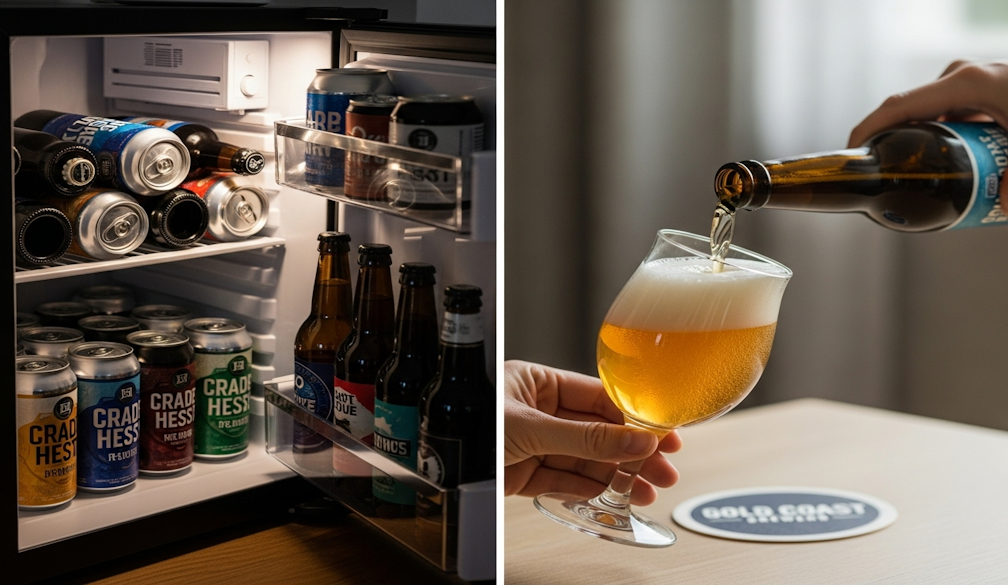
There’s something deeply satisfying about pouring a fresh glass of craft beer at home and enjoying it just as the brewer intended. Whether you’re new to the world of craft beer or you’ve been building your collection for years, understanding how to properly store and serve it makes all the difference to the flavour and experience. After all, a great beer deserves proper care. If you’ve ever visited a Gold Coast brewery, you’ll know the passion and precision that goes into brewing each batch – and those same principles should guide how you treat your beer once it’s in your hands.
The Importance of Proper Storage
Craft beer is more delicate than mass-produced varieties, often made with natural ingredients and minimal preservatives. Poor storage can easily dull the vibrant flavours, aromas, and overall quality. Here are the key factors to consider:
- Temperature control: Beer should generally be stored in a cool, dark place at a steady temperature. A consistent 4–12°C is ideal. Avoid fluctuating conditions, as these can cause the beer to age prematurely.
- Keep it upright: Always store bottles and cans upright. This reduces the risk of oxidation, prevents yeast sediment from dispersing, and minimises the chance of leakage.
- Avoid light exposure: Sunlight and fluorescent light can cause “skunking,” leaving your beer with an unpleasant, sulphur-like aroma. A closed cupboard, cellar, or dedicated beer fridge is best.
- Mind the freshness: Most craft beers are best consumed fresh. Hoppy styles, such as IPAs, lose their punchy flavour quickly, while darker, higher-alcohol beers can benefit from short-term ageing.
Serving Craft Beer the Right Way
Once your beer is stored correctly, serving it with care ensures the brewer’s intended flavours shine through.
- Glassware matters: Different beers suit different glasses. For example, tulip glasses enhance the aroma of strong ales, while pint glasses are great for pale ales. Avoid frosted glasses, as they mute the flavour and aroma.
- Pouring technique: Tilt the glass at a 45-degree angle and slowly pour the beer, straightening the glass as it fills. This creates a steady head, releasing aromas without causing excessive foam.
- Temperature at serving: While storage is best at cooler temperatures, not all beers should be served ice-cold. Lighter beers like lagers and wheat beers are best enjoyed chilled (around 4–7°C), while richer styles such as stouts or Belgian ales open up their full flavour closer to 10–13°C.
- Don’t rush: Give your beer a moment in the glass before taking that first sip. Allowing it to breathe lets aromas and flavours evolve.
Creating the Brewery Experience at Home
Storing and serving craft beer properly isn’t just about preserving taste – it’s about respect for the craft. By paying attention to storage, glassware, and temperature, you’re recreating a slice of the brewery experience in your own home. It elevates a casual drink into something to be savoured.
Whether you’re pairing a crisp pale ale with dinner, or sharing a barrel-aged stout with friends, the right care ensures every pour is as enjoyable as the last. And with Australia’s thriving craft beer culture, from small local taprooms to renowned names on the scene, there’s no shortage of exceptional brews to enjoy.


 Daily Bulletin


