

How to Repaint Rental Walls to Match Landlord Requirements
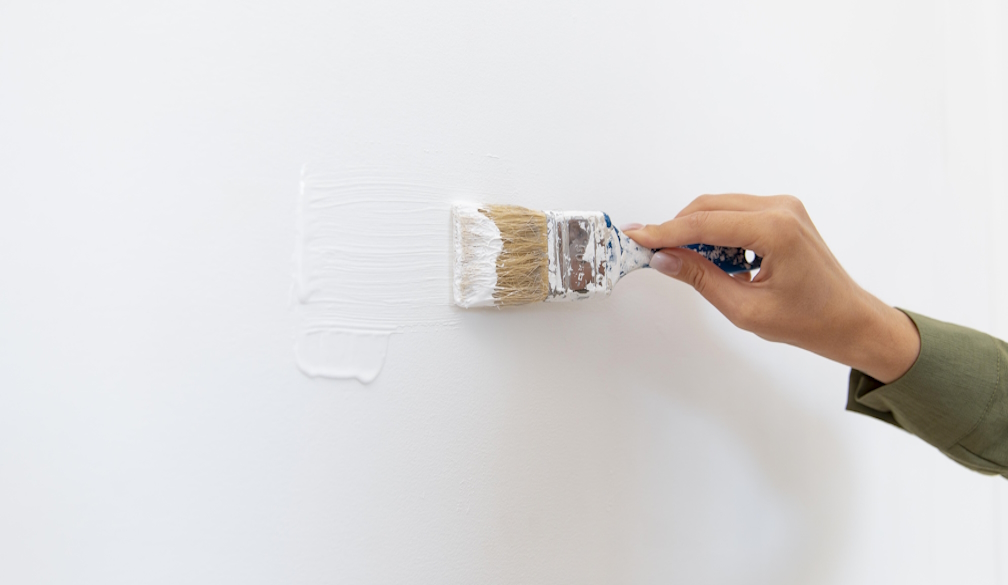
Fresh paint has a way of breathing life back into tired walls, yet in a rented home it often comes with hesitation. Balancing personal taste with a landlord’s expectations can feel tricky, especially when your deposit is at stake.
Still, with a touch of planning and a careful brush, it’s entirely possible to refresh your space and stay on good terms.
Checking the Rules Before Painting
Before the first brushstroke, it’s worth revisiting your tenancy agreement. Many landlords have clear conditions about altering a property, including painting.
Some specify that walls must stay in neutral tones, while others ask that the original colour be restored before you move out. If you spot anything unclear, reach out and ask. A polite message or quick chat avoids misunderstandings later.
Even when no mention of painting exists, it’s best to check. Most landlords appreciate tenants who show respect for their property. Written permission protects both sides and can save awkward conversations down the line.
It also helps to confirm whether a particular paint type is required, such as washable or eco-friendly brands.
This early step might feel like red tape, but it sets a calm tone for the entire project. Once you have approval, you can focus on the fun part: choosing colours, planning your workspace, and imagining how much brighter and cleaner your rooms will soon look.
Choosing Colours That Keep the Peace
The safest choice for rented spaces is usually something gentle and understated.
Pale greys, soft whites, and warm beiges are popular for good reason. They brighten small rooms and suit almost every furnishing style. A light, neutral backdrop also makes the property appealing to future tenants, which your landlord will quietly appreciate.
That doesn’t mean you can’t bring character to the place. A single feature wall painted in a muted olive or dusky blue can create warmth without clashing with the neutral theme.
If you decide to experiment, keep it subtle and check that your landlord approves of your palette first.
When testing colours, paint small patches and observe them under natural and artificial light. Some tones look entirely different at night. Taking this extra step avoids repainting frustrations later.
And if you’re preparing the home for inspection or a new chapter, think ahead to the finishing touches. Pairing a repaint with a competent move-in cleaning service helps your rooms look freshly cared for and ready for the next occupant.
Preparing the Canvas
Repainting isn’t just about fresh colour; it’s about proper groundwork. Dust, grease, and tiny wall flaws can spoil the final result.
Begin by wiping the walls with a soft cloth dipped in a mild cleaning solution, especially in kitchens or near light switches where fingerprints and oils gather.
Inspect the surface closely. Fill nail holes and cracks with wall filler, then sand them gently for a smooth finish. A quick pass with fine sandpaper on glossy paint helps new coats stick better.
Next, protect your surroundings. Move furniture away from walls, drape it with old sheets or tarps, and use painter’s tape along skirting boards, sockets, and frames.
A steady, unhurried setup makes the process far more enjoyable later. It also creates that sense of quiet focus where even mundane tasks begin to feel satisfying.
Finally, if the old colour is darker than your new choice, apply a layer of primer. It helps the new paint cover evenly, giving you a soft, consistent tone without excessive coats. Think of it as setting the stage for a graceful transformation.
Painting with Care and Patience
Once the space is prepared, it’s time for the rewarding part. Start by "cutting in", or using an angled brush to paint around corners and edges. This step keeps your lines clean and prevents rollers from smudging details.
Then use a medium roller in long, even strokes, forming an overlapping “W” or “M” pattern for balanced coverage.
Thin layers work best. Allow each coat to dry fully before applying the next, even if impatience sets in. It’s tempting to rush, yet letting paint cure naturally produces that smooth, even finish that looks truly professional.
Depending on colour depth, two coats usually suffice, though darker shades may need a third.
Keep a damp cloth nearby for small splatters. The earlier you catch them, the easier they are to remove. Work in daylight where possible and take short breaks. Painting should feel like a calm rhythm, not a race.
When finished, step back and admire how the light plays differently against the fresh surface.
A gentle sense of satisfaction often comes in that quiet moment, the scent of paint fading as you see your efforts settling into the space. It’s the feeling of a home cared for.
Tidying Up and Keeping Evidence
Cleaning after painting is almost as vital as the job itself. Start by carefully removing the tape to avoid peeling once the paint has completely dried, which usually takes 24 to 48 hours.
Gather any tarps, wipe brushes and rollers, and check skirting boards or floors for stray marks. A soft mop or damp cloth will handle most splatters, while a light vacuum clears the last specks of dust from corners.
If you used primer or thicker coats, keep the windows open for a few hours to let the room breathe and reduce lingering odours. It also helps to inspect your work under natural light, as daylight can reveal faint streaks or missed patches that artificial light hides.
The goal is to leave the room spotless, evenly finished, and pleasantly aired.
Before bringing the furniture back in, take photographs of the newly painted walls. These serve as clear proof that you met your landlord’s requests, safeguarding your deposit when moving out.
Small gestures like these demonstrate both care and accountability.
If you’re repainting before vacating, a thorough clean can make a remarkable difference during inspections. Hiring specialists for an end-of-tenancy clean ensures that every surface, corner, and skirting board shines, which is something every landlord appreciates.
Conclusion
Repainting a rental doesn’t need to be stressful. It’s a chance to refresh your space, show respect for your landlord’s rules, and create an atmosphere that feels more like home.
With patience, careful preparation, and a little artistry, plain walls can become quietly beautiful again.


 Daily Bulletin


