

To the Bone: creating eating disorder awareness or doing harm?
- Written by: Joanna Doley, PhD Candidate, School of Psychology and Public Health, La Trobe University
To the Bone – a film about a turning point in a young woman’s battle with anorexia nervosa – has attracted comment from mental health professionals and advocates. Critics have concerns it could cause or worsen eating disorder symptoms.
The writer-director of To the Bone assured audiences she wished to dispel myths, not do harm. So which aspects of the new film might do harm, and which might educate the audience in a positive way?
How might the film cause harm?
It’s important to be clear that this film isn’t going to cause an eating disorder in anyone who isn’t already vulnerable. Eating disorders develop from a complex combination of biological, psychological and social factors.
But when vulnerabilities are present, it’s possible scenes in the film may be distressing. Netflix does provide a warning to this effect.
Unfortunately, there’s no guarantee this advice will be taken. And not all people with eating disorders know they’re unwell, so it’s not quite as simple as avoiding the film.
One criticism of the film is that it could act as a “how-to” manual for eating disorder behaviours by providing, for example, information about purging (vomiting) and disguising true weight. We know people learn eating disorder behaviours from films, books and the internet.
To the Bone is not the only media that could contribute to contagion. But in light of the broad audience, it would have been advisable to omit this information, especially since it was not particularly helpful to the narrative.
Another concern is the film glamorising eating disorders. Most people who watch the film will see the depictions of eating disorders as particularly unglamorous – Lily Collins, who plays the main character, Eli, looks frighteningly thin. But people with anorexia frequently view images of emaciation as beautiful and respond in an emotionally positive way, while healthy individuals tend to have an aversive reaction.
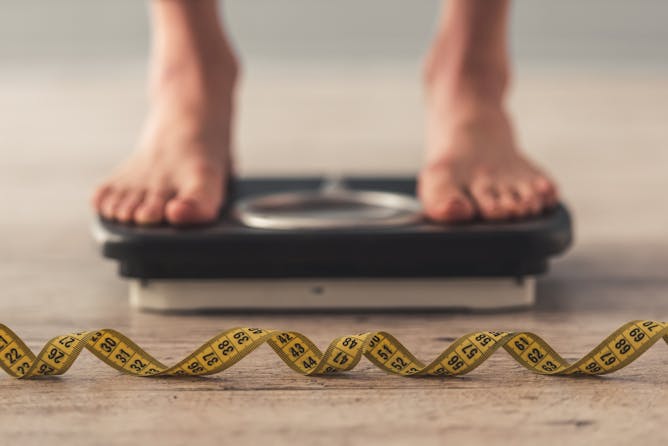 We know people with eating disorders learn behaviours from films, books and the internet.
from www.shutterstock.com
We know people with eating disorders learn behaviours from films, books and the internet.
from www.shutterstock.com
This doesn’t mean very thin people should be invisible in case they inspire people with eating disorders. Instead, the filmmakers should have considered how some of the more graphic shots of Eli’s body could affect people with eating disorders.
Another criticism is the risk preparation for the film posed for Collins, who has a history of an eating disorder but lost weight for the film. Losing weight can be dangerous for people with a history of eating disorders, as restriction can reduce anxiety and reinforce dangerous habits. Collins did this under the supervision of a nutritionist, but it’s to be hoped it has no lasting negative effects for her.
How might the film have a positive influence?
People in the community tend to have low knowledge about eating disorders and hold stigmatising attitudes, which can create a barrier to seeking help. Because To the Bone depicts people with eating disorders, it could help educate the public and reduce stigma and stereotypes. But does the film succeed in doing this?
The belief people are to blame for their eating disorders is a common one, and the film somewhat dispels this myth. It touches on the complex causes of eating disorders and asks us to empathise with people with anorexia and their families. It also depicts the serious consequences of anorexia, including social isolation, miscarriage and death.
Unfortunately, To the Bone does not address some stereotypes about eating disorders. Almost all of the people with eating disorders in the film are very thin.
In reality, many people with eating disorders are of average weight or above. The failure to depict eating disorders such as bulimia or binge-eating disorder or eating disorders in higher-weight people as serious could deter these people from seeking help. And failing to recognise an eating disorder is a common barrier to people seeking help.
To its credit, To the Bone includes a male character (Luke) and a woman of colour (Kendra) with eating disorders; these illnesses are typically under-recognised in these groups. Kendra’s role, however, is small so it’s unclear whether this presentation will dispel the myth that only white people get eating disorders.
One notable absence from the film is a depiction of the recovery process. Recovery is achievable for many people with eating disorders. Depicting this could encourage sufferers to seek help by sending a message of hope.
Is the movie helpful or harmful?
Many people viewing To the Bone will find it a powerful evocation of the suffering caused by eating disorders. They are likely to walk away with increased empathy for people with underweight or restrictive eating disorders. But a minority will find the images of Eli inspiring and learn new eating disorder behaviours.
The filmmakers appear to have missed an opportunity to increase understanding of the diversity of eating disorders, to encourage help-seeking and depict recovery.
If you or someone you know wishes to seek help for eating disorder or body image issues, please contact The Butterfly Foundation on 1800 ED HOPE.
Authors: Joanna Doley, PhD Candidate, School of Psychology and Public Health, La Trobe University
Read more http://theconversation.com/to-the-bone-creating-eating-disorder-awareness-or-doing-harm-81092


 Daily Bulletin


